Mornington Peninsula National Park, Nature reserve in Mornington Peninsula, Australia
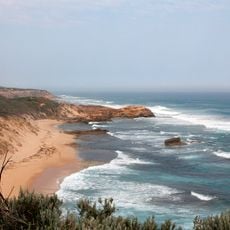
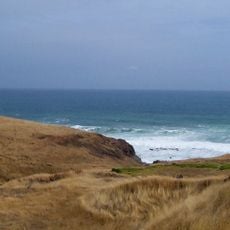
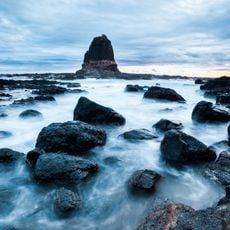
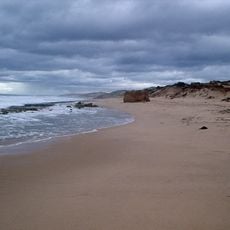
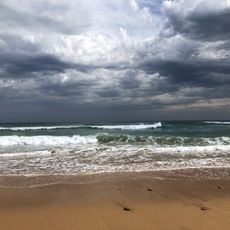
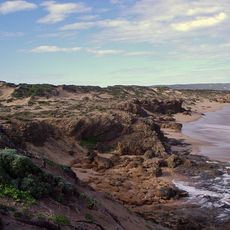
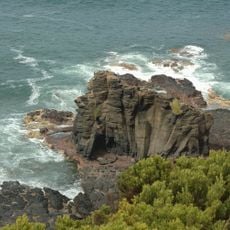
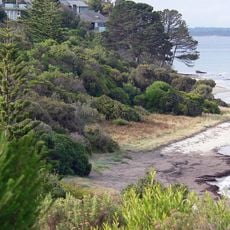
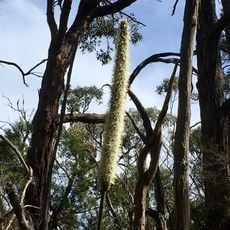
Mornington Peninsula National Park is a protected reserve extending along the coast south of Melbourne from Sorrento to Cape Schanck, encompassing a range of distinct landscapes. The park contains coastal cliffs, wetland areas, sandy beaches, and woodlands of native banksia trees that define the character of this peninsula.
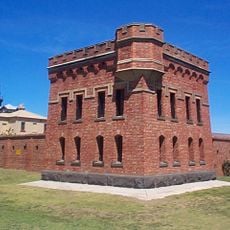
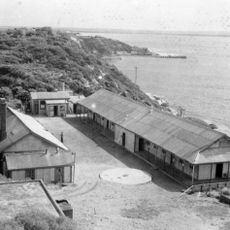
The area was first protected in 1975 as Cape Schanck Coastal Park. In 1988 Point Nepean, closed to the public for over a century, was opened. In 1995 the park was divided, most of it becoming Mornington Peninsula National Park, while the historic Point Nepean site became a separate national park in 2005.
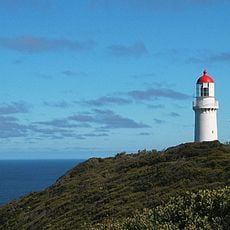
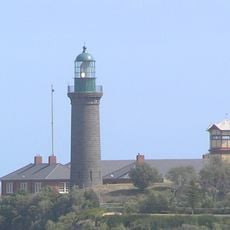
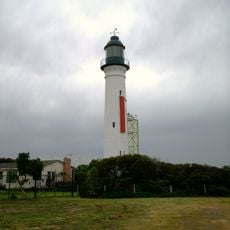
Aboriginal people lived along this coast for thousands of years, and shell middens with mussel and shellfish remains can still be seen in the park today. The Boonwurrung are the traditional owners of the Mornington Peninsula. The Cape Schanck Lighthouse, built from 1859, is the main historic structure visitors notice.
The 30 km Coast Walk from Cape Schanck to London Bridge takes two days and follows cliff tops and long beaches. Shorter options include the 2 km Farnsworth Track between Portsea Surf Beach and London Bridge and the 3 km return Coppins Track from Sorrento Ocean Beach to Diamond Bay. Horse riding is allowed from the Gunnamatta and St Andrews Beach entrances; dogs must be leashed and are limited to certain beach areas and hours.
Greens Bush, between Arthurs Seat and Cape Schanck, is the largest remnant of bushland on the peninsula, surrounded by farmland. It holds a large population of eastern grey kangaroos, alongside white-footed dunnarts, bandicoots and black wallabies. The park records 32 mammal, 167 bird and 22 reptile species.
The community of curious travelers
AroundUs brings together thousands of curated places, local tips, and hidden gems, enriched daily by 93,831 contributors worldwide.