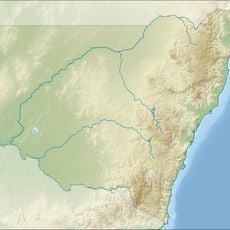
Washpool National Park, Nature reserve in New South Wales, Australia
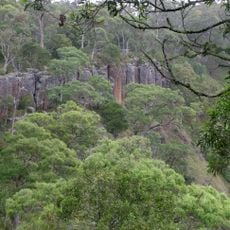
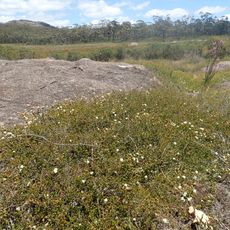
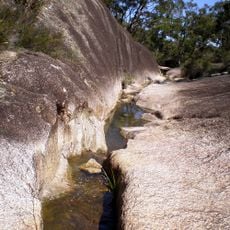
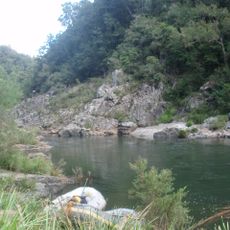
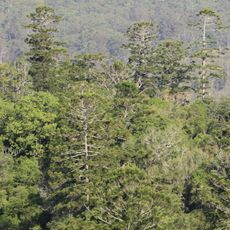
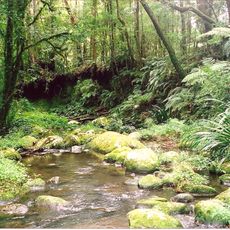
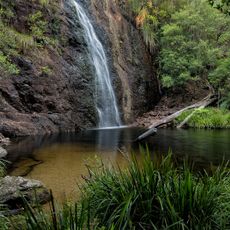
Washpool National Park is a nature reserve in New South Wales featuring steep gorges, clean flowing streams, and ancient rainforests. The park is home to the largest collection of coachwood trees in the state and contains diverse forest landscapes.
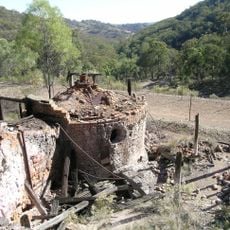
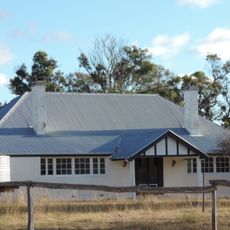
European settlers began grazing cattle in the Washpool area around 1850, using it as a livestock route between the highlands and the coast. Tin and gold discoveries in 1852 brought miners, and commercial logging of redwood, horsetail and other hardwoods followed, continuing into the 1980s. A court injunction halted logging in 1990, and the park was expanded in 1999 to include previously threatened areas.
The park lies within the traditional lands of the Bundjalung, Gumbaynggirr and Ngarrabul peoples, who used the forests and rivers for food, medicinal plants and tool materials. Many cultural and spiritual sites remain in the park, though most are undocumented. The name Washpool refers to a pool where stock were washed.
Camping areas are available at Bellbird and Coombadjha where you can set up tents or park caravans. Plan your visit outside the wettest months when walking trails are easier to navigate.
The park holds the world's largest stand of coachwood (Ceratopetalum apetalum) rainforest, and over 878 vascular plant species from 138 families have been recorded here. Old and dead trees give the endangered Hastings River Mouse (Pseudomys oralis) its habitat.
The community of curious travelers
AroundUs brings together thousands of curated places, local tips, and hidden gems, enriched daily by 94,134 contributors worldwide.