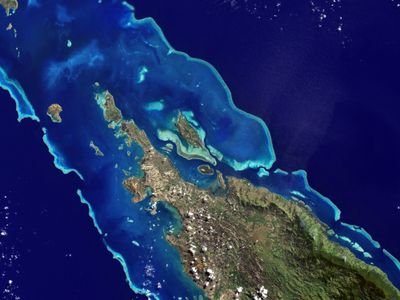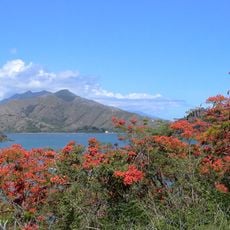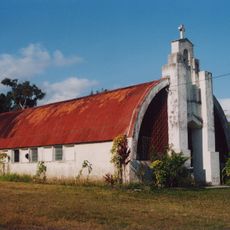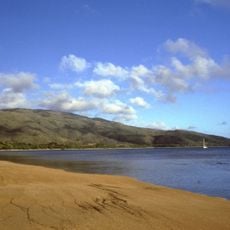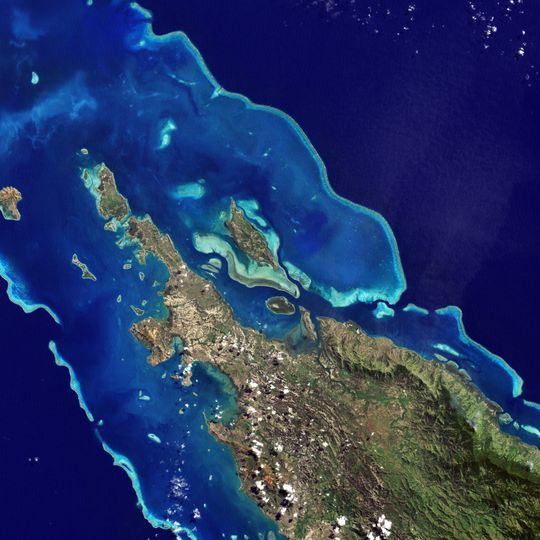
New Caledonia Barrier Reef, Barrier reef system in South Pacific, New Caledonia
The New Caledonia Barrier Reef encircles Grande Terre island and forms one of the world's longest continuous coral reef systems. The structure supports an abundance of fish species and other marine life throughout its length.
The reef formed over millions of years and shaped the region's geography and ecology. UNESCO recognized its exceptional marine value in 2008 by designating it as a World Heritage Site.
The nautilus, a living fossil, is used as an emblem by local organisations in New Caledonia. Thirteen local management committees, made up of tourist operators, fishermen, politicians and tribal chiefs, work with communities to monitor the health of the lagoons. Divers can also visit sites such as the Prony needle, the Shark Pit and the Cathedral.
Multiple diving sites are accessible year-round, with professional guides available in Noumea and other coastal settlements. Water conditions and visibility are generally better during the drier months.
The reef's lagoon holds over 15,000 species recorded by IRD, about 5% of them endemic, and many areas remain unexplored. It also shelters the world's third-largest population of endangered dugongs and is an important nesting site for green sea turtles.
The community of curious travelers
AroundUs brings together thousands of curated places, local tips, and hidden gems, enriched daily by 93,847 contributors worldwide.