Biscayne National Park, National park in Miami-Dade County, Florida, United States
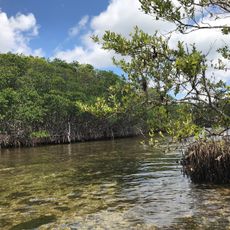
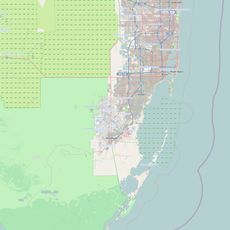
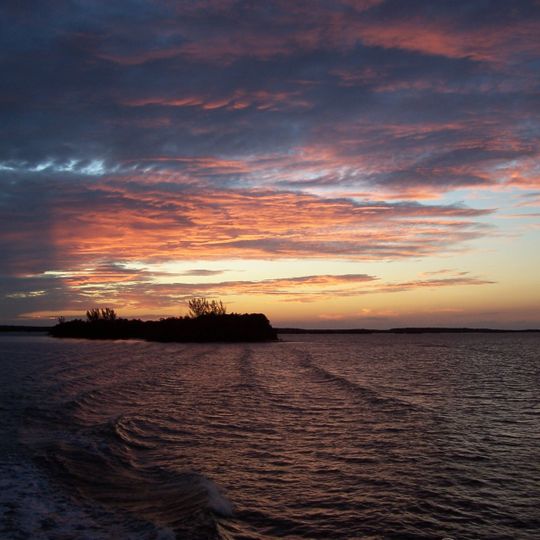
Biscayne National Park covers 172,971 acres in Miami-Dade County, Florida, and is 95 percent water. Its four ecosystems are coastal mangrove swamp, the shallow waters of Biscayne Bay, coral limestone keys, and the Florida Reef. Elliott Key, the park's largest island and the northernmost true Florida Key, is made of fossilized coral reef; the keys farther north are transitional coral-and-sand islands.
The Tequesta occupied the islands and shoreline from about 4,000 years ago until the 16th century, when Spain took Florida. More than 40 shipwrecks from the Spanish era to the 20th century lie within the park. After the 1959 Cuban Revolution, the CIA and Cuban exile groups used Elliott Key as a training ground for infiltrations into Fidel Castro's Cuba. The area became a national monument in 1968 and was redesignated a national park in 1980.
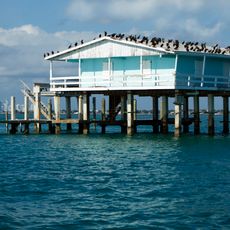
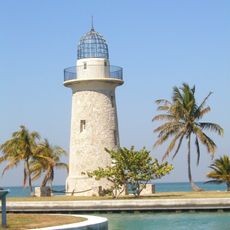
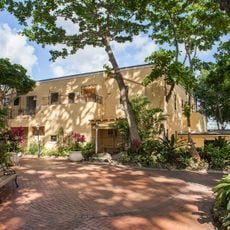
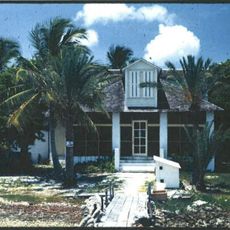
The name Biscayne likely derives from the Tequesta people, who lived on the bay's islands and shoreline from about 4,000 years ago until the 16th century. In the 1930s, Stiltsville grew on the shallows of northern Biscayne Bay, a community of houses on stilts that used its offshore position to offer gambling and alcohol during Prohibition. The Cocolobo Cay Club on Boca Chita Key was visited by four U.S. presidents.
Most visits require a boat since the park consists mainly of water and access to many islands is only possible by water; kayaking is a popular alternative for those wanting to stay closer to mangrove shorelines and seagrass beds. Visitors should bring sunscreen, water, and a hat, and it is wise to arrive early in the day since most guided tours and activities are offered in the mornings or early afternoons.
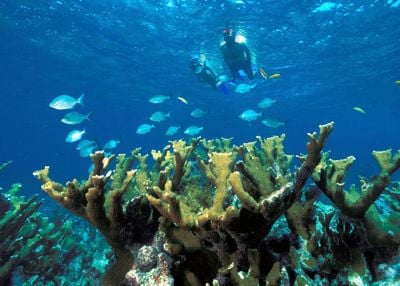
The park's eastern boundary follows the 60-foot depth line of the Florida Reef, the only living coral barrier reef in the continental United States. Within park waters lie more than 40 documented shipwrecks, from Spanish-era galleons to 20th-century freighters. The reefs also mark the northern limit of the Florida Keys, with Elliott Key being the largest island and the northernmost true Florida Key, formed of fossilized coral.
The community of curious travelers
AroundUs brings together thousands of curated places, local tips, and hidden gems, enriched daily by 93,790 contributors worldwide.