Santiago de Cuba Province, Administrative province in southeastern Cuba
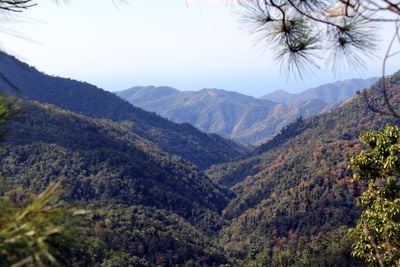
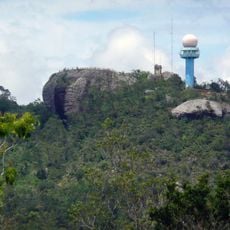
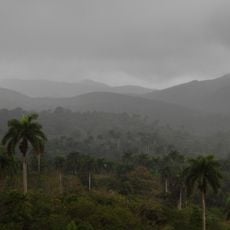
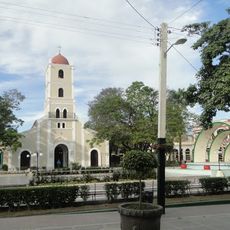
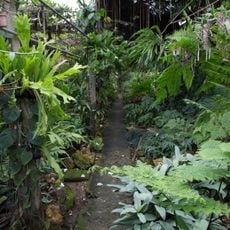
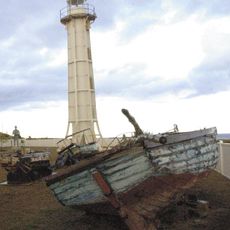
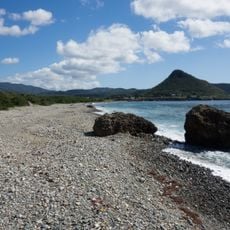
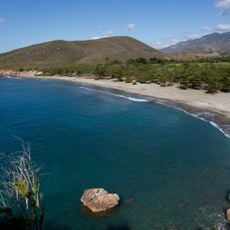
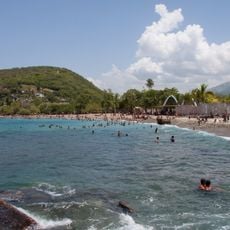
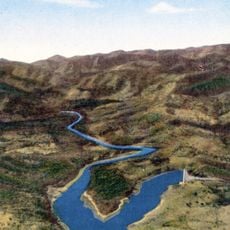
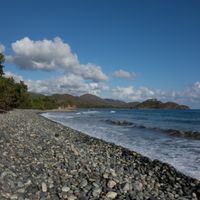
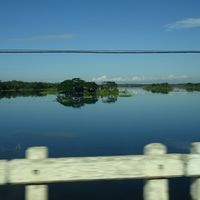
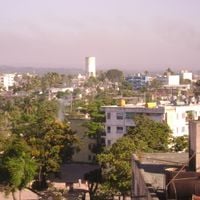
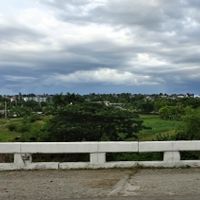
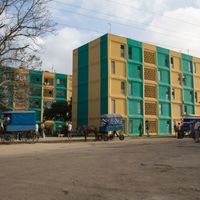
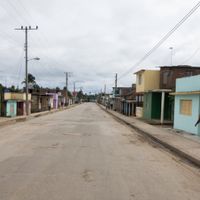
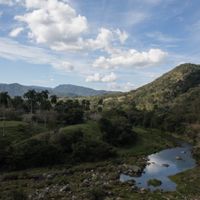
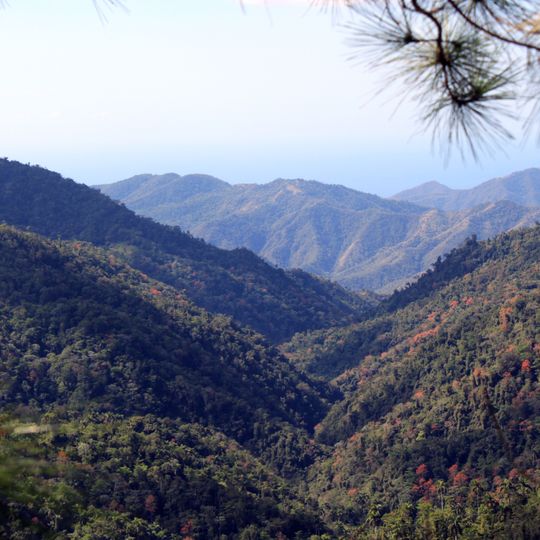
Santiago de Cuba Province occupies the southeastern portion of the island, stretching from coastal areas to the Sierra Maestra mountains. The region comprises varied terrain with lowland plains, mountain slopes, and seaside zones across multiple municipalities.
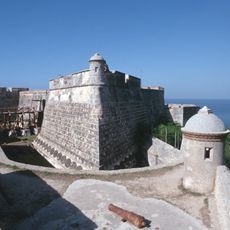
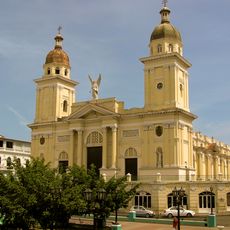
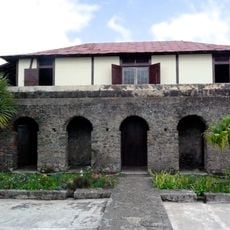
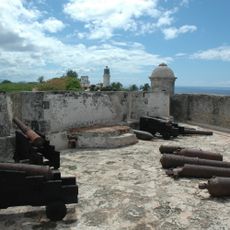
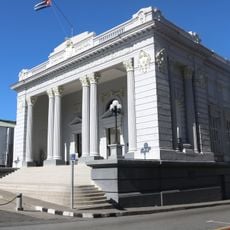
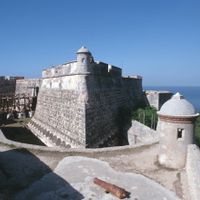
Santiago served as the first seat of Spanish colonial administration on Cuba from 1515 until 1608, before the capital moved to Havana. This period marked the start of European settlement and shaped the island's early colonial development.
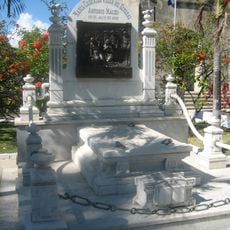
The Santa Ifigenia Cemetery holds graves of independence leaders like José Martí and Carlos Manuel de Céspedes, drawing visitors who want to connect with the people who shaped the nation.
The province divides into several municipalities including Contramaestre, San Luis, and Palma Soriano, which helps with navigation. Visitors should note that mountainous areas and coastal sections offer different conditions for exploring the region.
Pico Turquino, the highest peak in the province, sits near the border with neighboring regions and attracts hikers seeking mountain views. The summit offers outlooks across the region's varied landscape types.
The community of curious travelers
AroundUs brings together thousands of curated places, local tips, and hidden gems, enriched daily by 90,830 contributors worldwide.