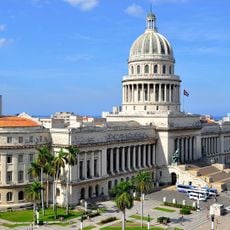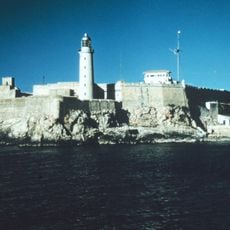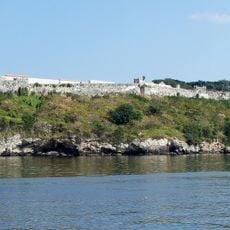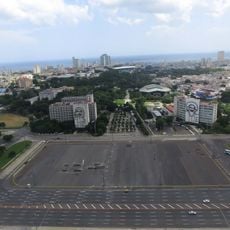
Cuba, Caribbean island nation between North America and South America
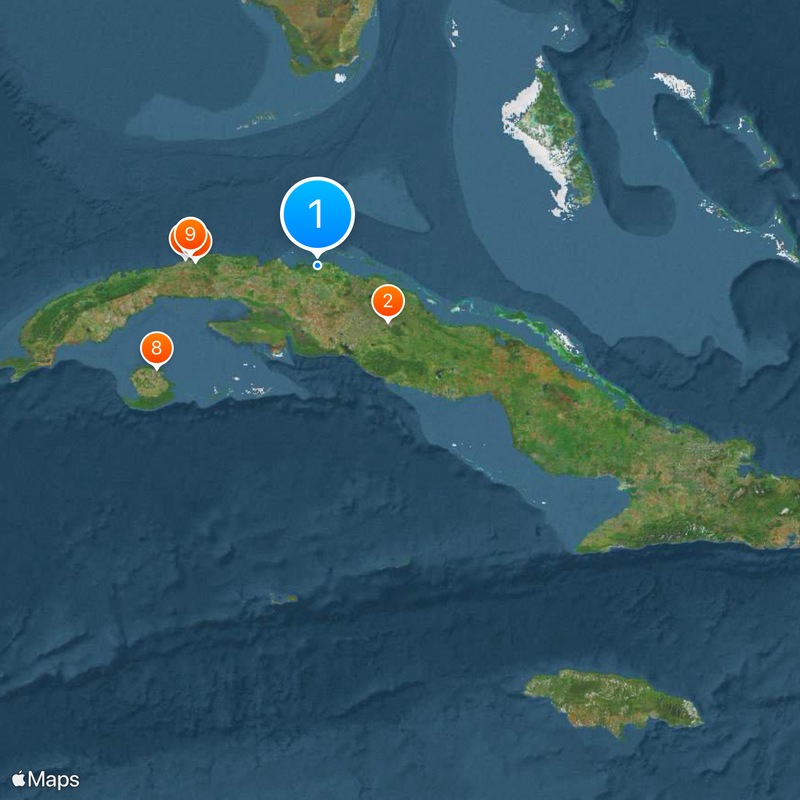
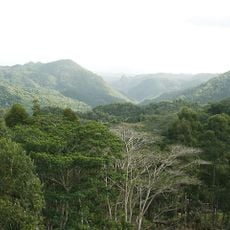
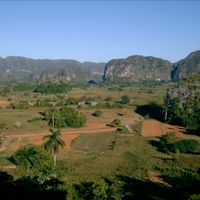
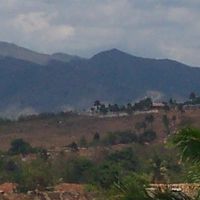
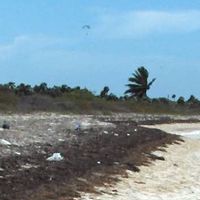
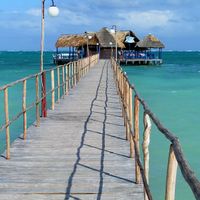
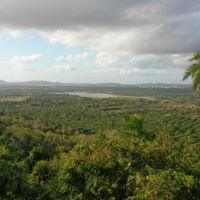
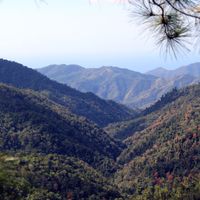
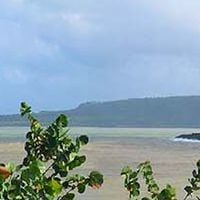
Cuba is an island nation in the Caribbean between North America and South America, spreading across a main island, Isla de la Juventud and more than four thousand smaller islands and cays. The northern shore borders the Atlantic Ocean and the Gulf of Mexico, while the southern edge meets the Caribbean Sea, and the territory shows mountains in the southeast plus wide plains through the center and west.
Spain brought the island under colonial rule in 1492, and that control lasted until the end of the Spanish-American War in 1898. After the republic was founded in 1902, shifting governments followed until the 1959 revolution established new leadership.
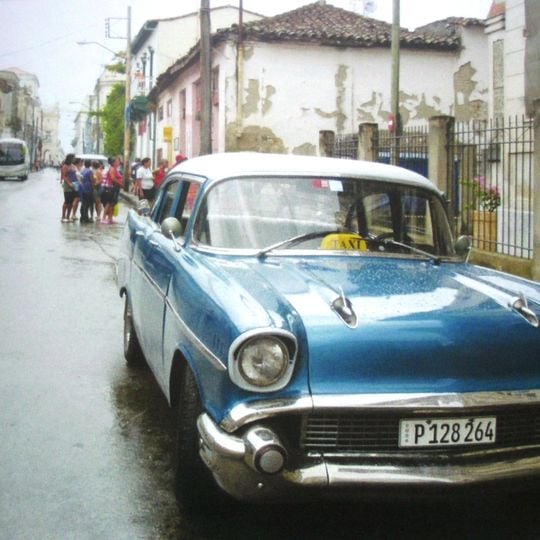
Son, rumba and salsa echo through streets and homes, shaping how people gather and celebrate. Locally produced rum and hand-rolled cigars made from island-grown tobacco are part of daily routines and social moments across towns and villages.
The drier months from November through April offer more comfortable travel conditions, while hurricanes may occur between June and November. Visitors need a tourist card that travelers should obtain before arrival, and local currency exchanges work best once on the ground.
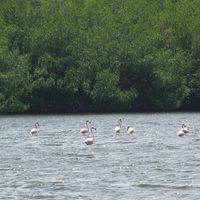
The Bay of Pigs was the site of a failed 1961 invasion by exiles backed by the United States. The Zapata Swamp forms the largest wetland in the Caribbean and provides habitat for rare species such as the native Cuban crocodile.
The community of curious travelers
AroundUs brings together thousands of curated places, local tips, and hidden gems, enriched daily by 90,792 contributors worldwide.