Ciego de Ávila Province, Province with tropical climate in central Cuba
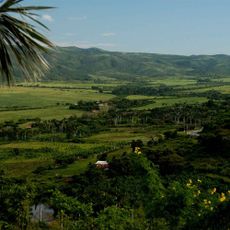
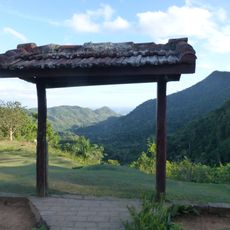
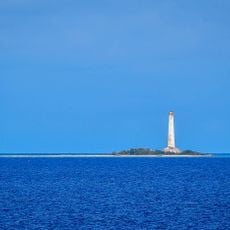
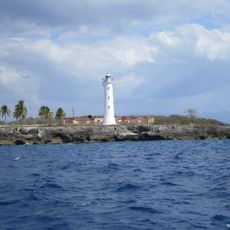
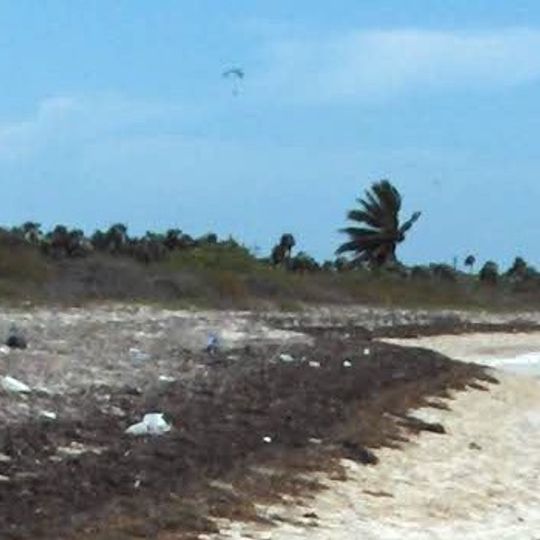
Ciego de Ávila is a province in central Cuba with a tropical climate and diverse geography. The north features the Jardines del Rey archipelago and pristine island ecosystems, while the south is defined by mangrove wetlands and flat terrain that supports agricultural activity.
The province originated under Spanish colonial rule and took its name from an indigenous leader of early contact times. During the independence wars, it became strategically important as military lines were constructed to maintain control of the central region.
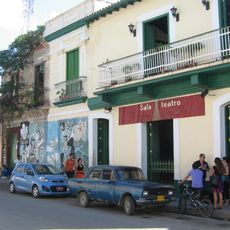
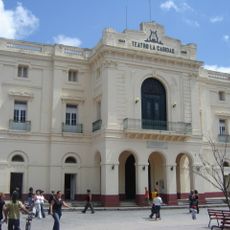
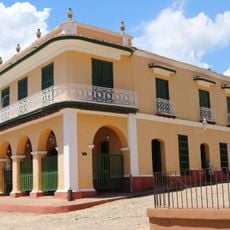
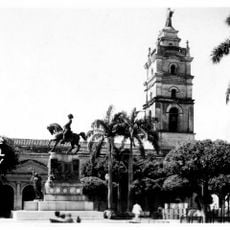
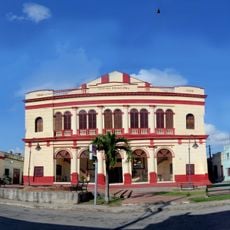
The Teatro Principal in the capital showcases colonial architecture and serves as a venue for regular performances that shape the region's cultural life. Local artists and musicians use the hall for dance shows and musical events that blend traditional Cuban styles with contemporary expression.
The best time to visit is during the dry season from November to April when weather conditions are most stable and pleasant. The province is easily accessible from the capital, with well-maintained roads throughout the region and small local airports for arrival options.
Laguna de Leche, located between Morón and the north coast, is Cuba's largest natural freshwater lake and holds significant mineral deposits beneath its waters. This lake draws local fishers and nature enthusiasts who come to spot water birds and explore its aquatic ecosystems.
The community of curious travelers
AroundUs brings together thousands of curated places, local tips, and hidden gems, enriched daily by 92,526 contributors worldwide.