Pico Turquino, Mountain summit in Sierra Maestra range, Cuba
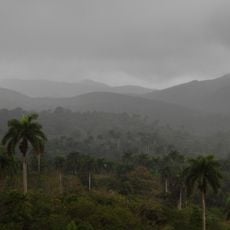
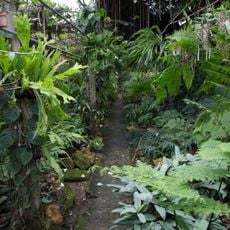
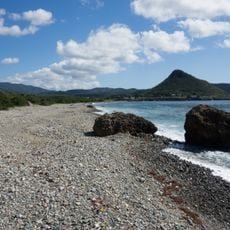
Pico Turquino is Cuba's highest mountain located in the Sierra Maestra range, rising to 1974 meters above sea level. The massif features steep slopes and dense forest coverage throughout its terrain.
The peak appears as "Tarquino" on a late 16th-century map by Flemish geographer Gerardus Mercator (Geert de Kremer). The first documented ascent was made in 1860 by Fred W. Ramsden, a twenty-year-old Englishman living in Santiago de Cuba, accompanied by three porters; the Swedish botanist Erik Leonard Ekman climbed it in 1915 believing himself the first. Fidel Castro and his rebel soldiers reached the summit in 1957, and from 1956 the climb became a symbol of freedom for Cubans.
A bronze bust of José Martí stands at the peak, commemorating the national hero who fought for Cuban independence in the 19th century.
The ascent requires a guided trek of 6 to 8 hours over varied terrain with mandatory permits for all visitors. Professional guides are compulsory and good physical fitness is needed, as the route is demanding.
The bust of José Martí on the summit was placed in 1953 by Celia Sánchez Manduley and her father, sculpted by Jilma Madera. Its base bears the line: "Escasos como los montes son los hombres que saben mirar desde ellos y sienten con entrañas de nación o de humanidad." The peak is the only place in Cuba where snowfall has been officially recorded, last in February 1900.
The community of curious travelers
AroundUs brings together thousands of curated places, local tips, and hidden gems, enriched daily by 94,303 contributors worldwide.