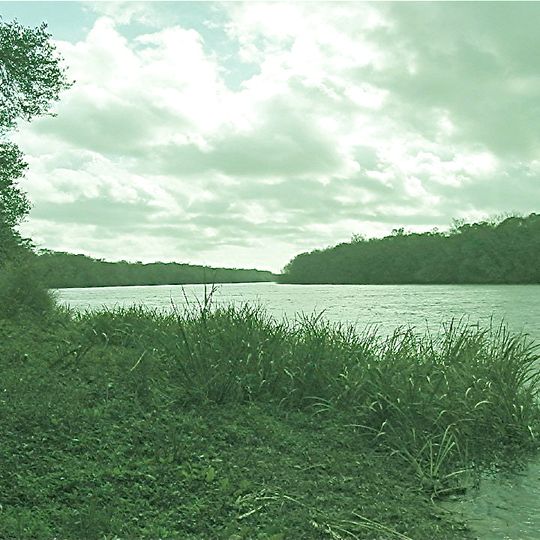
Apalachicola River, River system in Florida Panhandle, United States
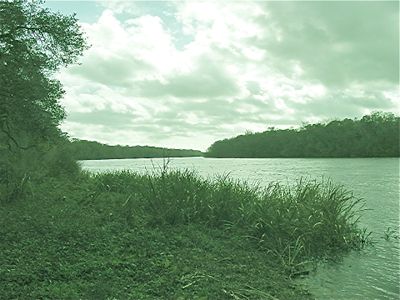
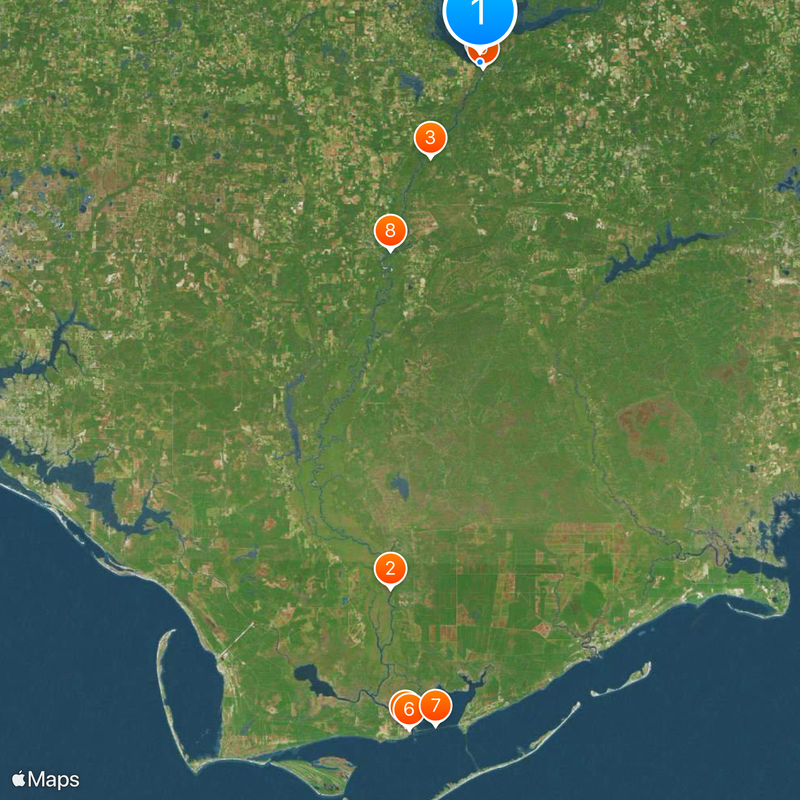
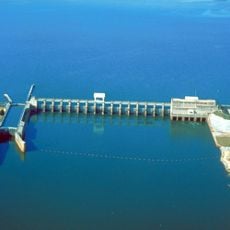
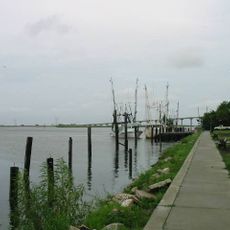
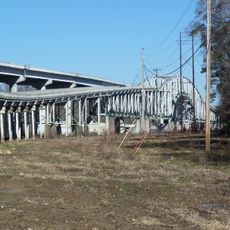
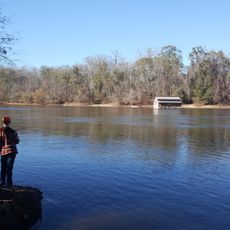
The Apalachicola River is a waterway in the Florida Panhandle that flows roughly 160 miles from Lake Seminole to the Gulf of Mexico. Extensive wetlands and forests develop along its course, defining the regional landscape.
During the British colonial period, the river marked the natural boundary between East Florida and West Florida, shaping regional development and trade routes. This border role influenced the political and economic structures of adjacent areas.
The river supports the production of tupelo honey, with beekeepers placing hives near the water to gather nectar from white tupelo trees. This local practice shapes the economy and identity of nearby communities.
Multiple boat landings provide access at different points along the river, including facilities at Chattahoochee, Sneads, Aspalaga, and Ocheesee for water activities. Visitors should check local conditions before planning paddling or boating trips.
The river basin contains the only natural habitat of the Florida torreya tree, which grows nowhere else on earth. This rare plant makes the region a place of significant ecological interest to conservationists and scientists.
The community of curious travelers
AroundUs brings together thousands of curated places, local tips, and hidden gems, enriched daily by 60,000 contributors worldwide.