Apalachicola Historic District, Historic district in Apalachicola, United States.
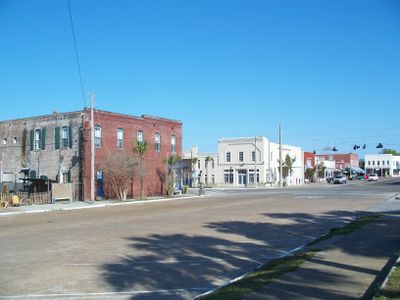
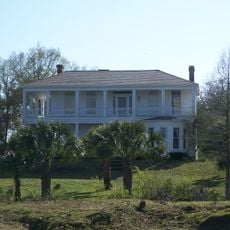
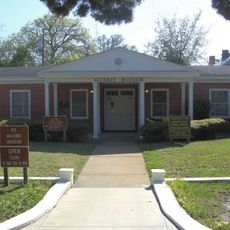
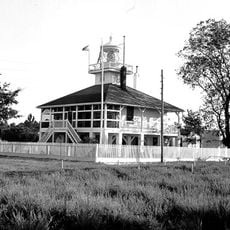
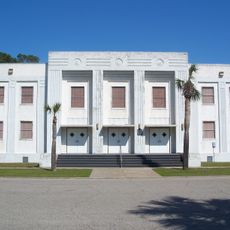
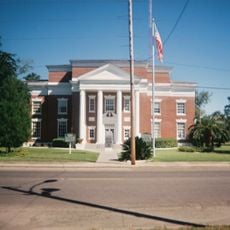
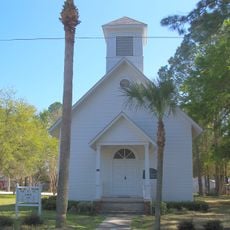
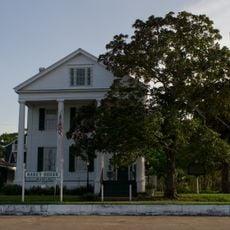
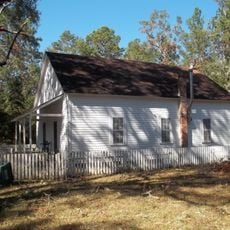
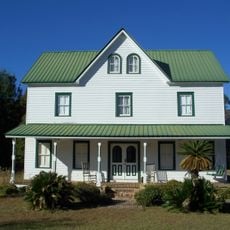
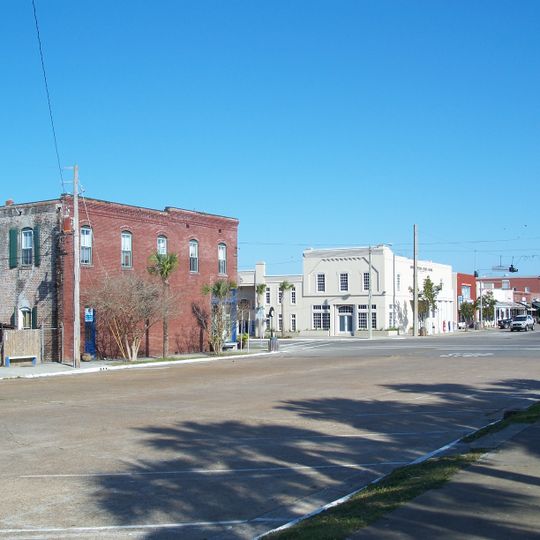
The Apalachicola Historic District contains over 650 buildings from different periods of the 1800s, spread along the river and bay area. The structures range from residences to trading houses and warehouses that display the architectural styles of that era.
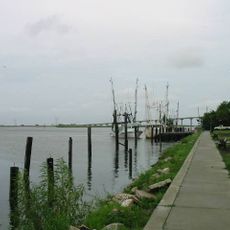
The area was first named Cottonton in 1828, then renamed Apalachicola in 1831, growing into a major port for cotton and timber trade. This role as a trading center shaped the town until the 1920s.
The buildings tell the story of Apalachicola's role as a major shipping hub for cotton and timber in the 1800s. Victorian houses and old warehouses stand together, showing how trade made the town prosperous.
The district is best explored on foot, with most buildings visible from the streets and easy to see from a walking route. A slow stroll through the different blocks gives you a good sense of the range of architectural styles.
A former sponge exchange building stands as a reminder that Apalachicola was one of Florida's largest sponge industry centers in the late 1800s. This building shows a lesser-known side of the town's economic history.
The community of curious travelers
AroundUs brings together thousands of curated places, local tips, and hidden gems, enriched daily by 91,319 contributors worldwide.