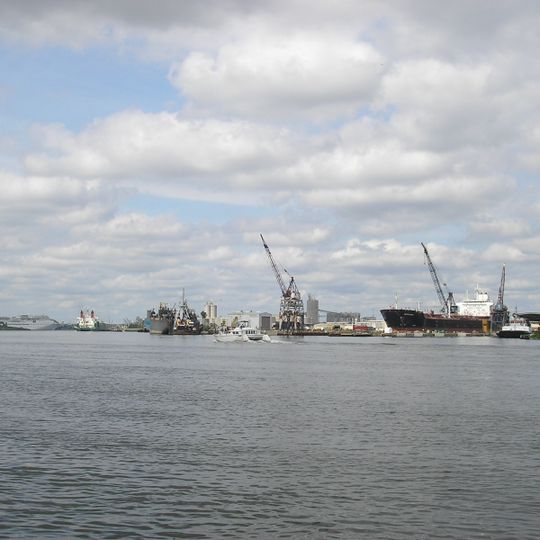
Tampa Bay, Natural bay in Gulf Coast, Florida, US
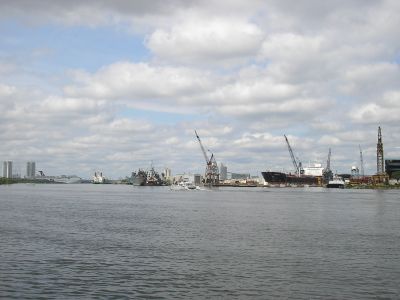
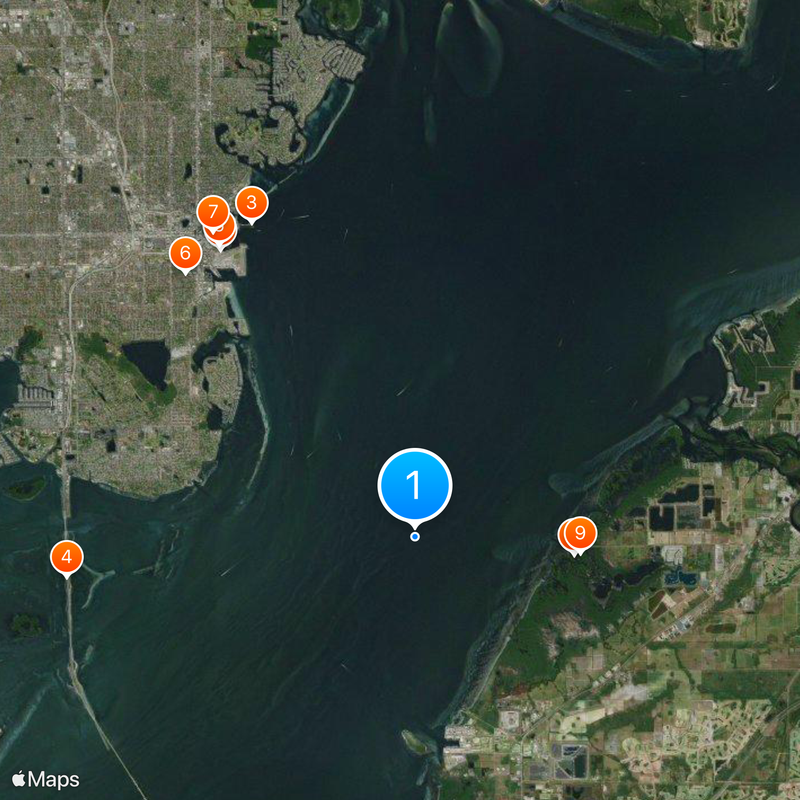
Tampa Bay is a large natural inlet on Florida's western coast along the Gulf of Mexico, stretching roughly 65 kilometers in length with an average depth around 4 meters. The crescent-shaped water connects multiple cities and towns and is crossed by several prominent bridges including the long Sunshine Skyway span linking the southern shore communities.
Pánfilo de Narváez reached the inlet in 1528 as the first Spanish explorer, naming it Espíritu Santo before Hernando de Soto followed eleven years later and continued further explorations along the coast. Early European presence eventually replaced the Tocobaga community that had lived around these waters for centuries before, relying on fishing and shellfish gathering.
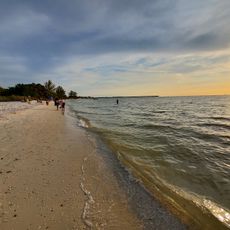
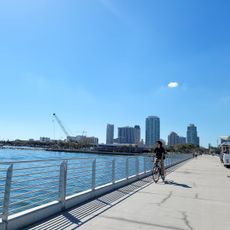
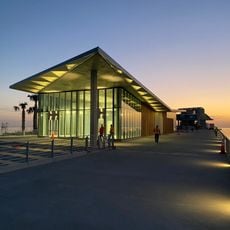
The shoreline communities around the inlet carry names reflecting both indigenous terms and later colonial languages, showing a long relationship between water and settlement. Today, visitors find marinas, piers and waterfront parks where locals fish, kayak or simply walk along the edges of the water.
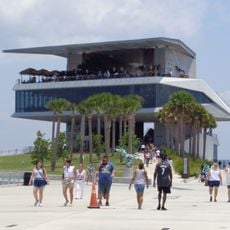
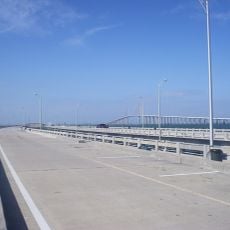
The water is best viewed from waterfront promenades and piers in surrounding communities, where public access points to the shore and observation spots line the coast. The major bridges offer wide views across the surface and can be crossed at any time, though traffic tends to be lighter in the morning hours.
Extensive seagrass meadows and mangrove forests cover much of the bottom, forming a critical habitat for manatees, sea turtles and numerous fish species. These underwater and shoreline ecosystems support the region's ecological balance and contribute to biodiversity across the entire Gulf coast.
The community of curious travelers
AroundUs brings together thousands of curated places, local tips, and hidden gems, enriched daily by 60,000 contributors worldwide.