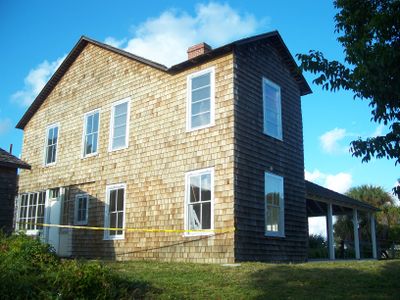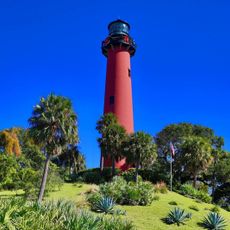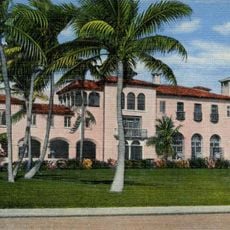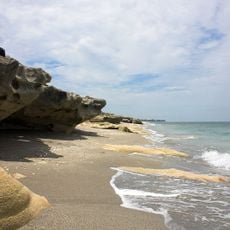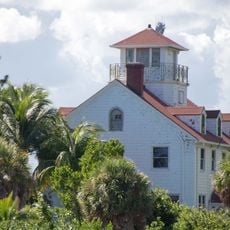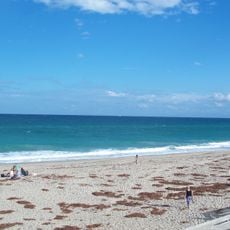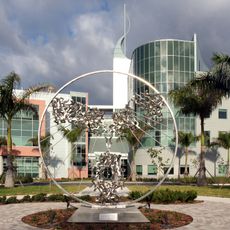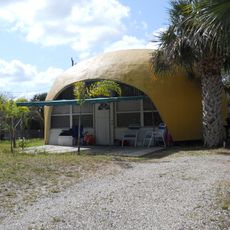
Jupiter Inlet Historic and Archeological Site, Archaeological site on Jupiter Inlet, Florida, United States
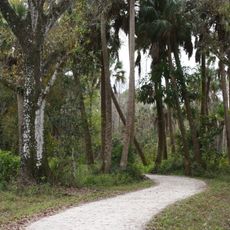
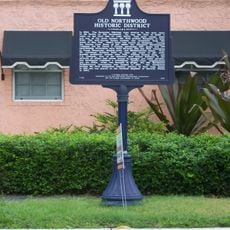
The site spreads across a large area along the Atlantic coast near Jupiter Inlet and contains archaeological finds and shell mounds. The grounds sit near DuBois Park and feature pathways through various excavation zones with informational panels.
The site was originally home to an established community that lived there for decades or centuries before European arrival. It was added to the National Register of Historic Places in 1985 to protect this maritime heritage.
The site shows traces of the Jaega people who lived here and built shell mounds that remain visible today. Visitors can see at different locations how these communities organized their settlement and relied on coastal resources.
Access is through marked pathways that connect different areas of the grounds. Visitors should wear comfortable shoes and pay attention to signs explaining what they see at different locations.
The name Jupiter came from a misinterpretation of the word Hobe, which early Europeans confused with Jove, the Roman god. This linguistic mix-up shows how early contact between different cultures led to new place names.
The community of curious travelers
AroundUs brings together thousands of curated places, local tips, and hidden gems, enriched daily by 92,268 contributors worldwide.