Sebastian Inlet State Park, Coastal state park in Brevard County, United States.
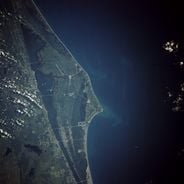
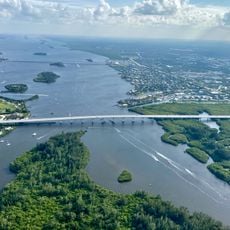
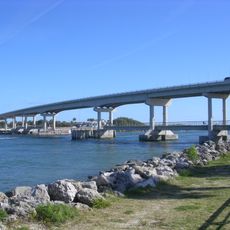
Sebastian Inlet State Park covers 755 acres on both sides of the Sebastian Inlet, the channel linking the Indian River with the Atlantic and the boundary between Brevard and Indian River counties. The park has 5 km of Atlantic beach, fishing jetties extending from both sides of the inlet into the ocean, a marina complex at its north end, and the Robert Campbell Cove tidal pool.
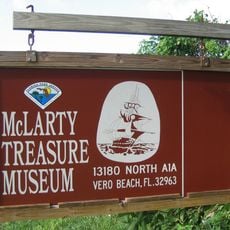
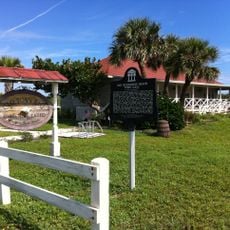
A Spanish fleet was wrecked near this inlet in 1715, and the survivors camped on the site. That camp site was added to the U.S. National Register of Historic Places on August 12, 1970, as the Spanish Fleet Survivors and Salvors Camp Site. The state of Florida acquired the park land in 1971, and the McLarty Treasure Museum now displays artifacts from the wreck.
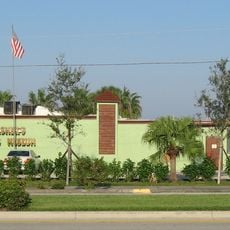
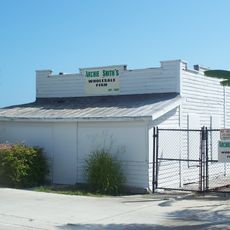
The McLarty Treasure Museum, part of the park, displays artifacts from the Spanish fleet wrecked here in 1715. The survivors' camp site was listed on the National Register of Historic Places on August 12, 1970, as the Spanish Fleet Survivors and Salvors Camp Site. A second park museum, the Sebastian Fishing Museum, covers the inlet's fishing trade.
The park is open 24 hours a day, unlike many Florida state parks. Fishing jetties reach into the ocean from both sides of the inlet, and boats can be launched into the Indian River, with a marina complex at the north end. Camping is allowed in a designated area; summer visitors can reserve a nighttime foray to watch nesting loggerhead turtles.
The park holds two museums: the McLarty Treasure Museum, displaying artifacts from the 1715 Spanish fleet wreck, and the Sebastian Fishing Museum. The wreck site where survivors camped was listed on the National Register of Historic Places on August 12, 1970.
The community of curious travelers
AroundUs brings together thousands of curated places, local tips, and hidden gems, enriched daily by 92,623 contributors worldwide.