Apalachicola Fort Site, Archaeological site of a Spanish colonial fort near Holy Trinity, Alabama, United States
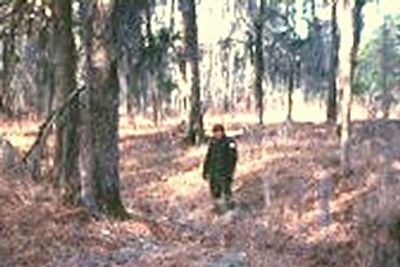
Apalachicola Fort Site is an archaeological location of a Spanish colonial fort situated on the Chattahoochee River in Alabama. The site contains remnants of a fortified blockhouse structure with wooden walls and defensive features typical of 17th-century frontier outposts.
Spanish colonists built the fort in 1690 to maintain control over this frontier region against British expansion. The post represented an early attempt by Spain to secure strategic territory during the colonial period in North America.
The fort was meant to draw the Lower Creeks away from English traders, but the opposite happened: the Creeks moved toward English-controlled areas, which undercut the fort's purpose. The site is now on private farmland and closed to the public, so there is no on-site cultural experience.
The site lies on privately held farmland in rural eastern Russell County, a few miles from the Holy Trinity monastery, and is not open to the public. It was turned over to the county in 1971. There is no visitor access, no facilities and no marked trail; the remains are on a bluff above the Chattahoochee River.
The site was found in 1956 when archaeologists and a monk from the nearby Holy Trinity monastery traced it from a few surviving records; digs then confirmed the spot. The county took over the privately held farmland in 1971. Rising groundwater from Lake Walter F. George now threatens the remains.
The community of curious travelers
AroundUs brings together thousands of curated places, local tips, and hidden gems, enriched daily by 94,464 contributors worldwide.