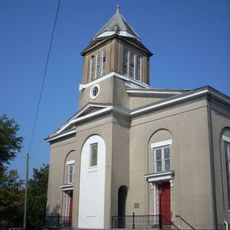
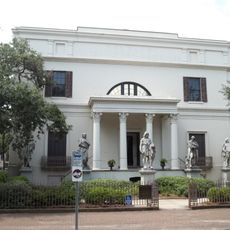
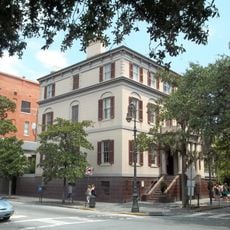
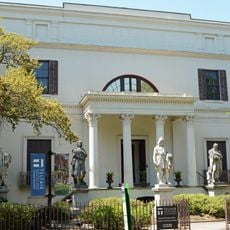
American Prohibition Museum, Prohibition museum in Historic District, Savannah, United States
The American Prohibition Museum documents life during Prohibition from 1920 to 1933 through roughly 20 exhibits featuring historical objects, dioramas, and displays. The collection shows the mechanics of alcohol production, smuggling, and enforcement of the nationwide ban.
The 18th Amendment was ratified in January 1919 and took effect in January 1920, banning the manufacture, sale and transport of intoxicating liquors. The Volstead Act set enforcement terms. The 21st Amendment repealed the 18th in December 1933, ending national Prohibition.
The name "Congress Street Up" refers to hidden bars that operated underground or in upper floors during Prohibition times. Visitors experience how people of that era created social spaces and circumvented laws to maintain their habits.
The museum sits at 220 Congress Street in Savannah's historic district, an easy walk from City Market and River Street. Exhibits are spread over two floors, with the reconstructed speakeasy near the end of the route, so allow time to sit and order a drink there.
The museum displays artifacts from actual police raids against illegal distilleries, including tools and containers that smugglers kept hidden. These direct pieces of evidence from the cat-and-mouse game between authorities and producers offer immediate insight into how people actually circumvented the ban.
The community of curious travelers
AroundUs brings together thousands of curated places, local tips, and hidden gems, enriched daily by 92,791 contributors worldwide.