California Coastal National Monument, Protected offshore ecosystem along California coast, US.
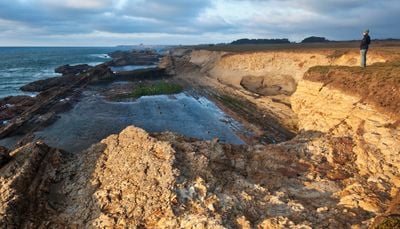
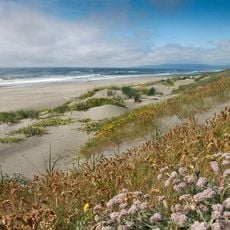
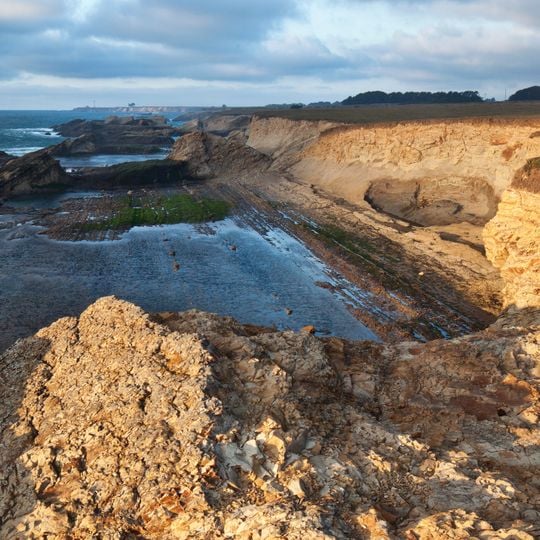
The California Coastal National Monument is a protected marine area extending 12 nautical miles from the shoreline and preserving thousands of rocks, reefs, islands, and pinnacles along roughly 1,100 miles of coast. The protected zone covers diverse underwater and surface features that support rich marine life across multiple regions.
The monument was established in January 2000 by President Bill Clinton using the Antiquities Act of 1906 to protect marine habitats. This designation marked an important conservation effort for the ecological resources along the California coast.
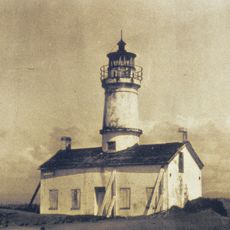
The Piedras Blancas Light Station within the monument connects the heritage of Northern Chumash and Playanos Salinan peoples to maritime navigation.
Visitors can access designated areas at Trinidad Head, Point Arena, Fort Bragg-Mendocino, and Pigeon Point Lighthouse for wildlife viewing and coastal exploration. The best times for observation depend on seasonal migration patterns and weather conditions throughout the year.
This location provides nesting areas for around 200,000 breeding seabirds and serves as habitat for numerous marine mammals. This concentration of wildlife makes it a remarkable destination for nature observation.
The community of curious travelers
AroundUs brings together thousands of curated places, local tips, and hidden gems, enriched daily by 91,911 contributors worldwide.