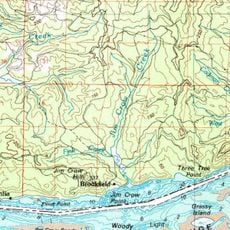
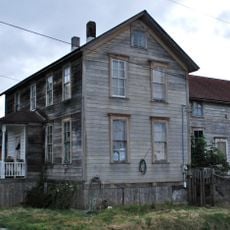
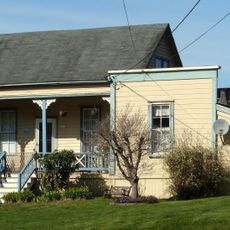
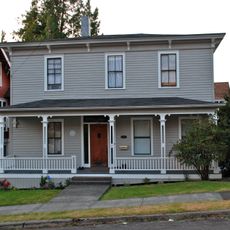
Lewis and Clark National Wildlife Refuge, Wildlife refuge on Columbia River estuary between Oregon and Washington, United States.
Lewis and Clark National Wildlife Refuge lies near the mouth of the Columbia River, where the estuary opens toward the Pacific between Oregon and Washington. Its islands, tidal marshes, mudflats and channels are exposed at low tide and covered again as the water rises. Harbor seals haul out on the sandbars and mud flats when the tide drops.
The refuge was established in 1972, when the U.S. Fish and Wildlife Service set aside the islands and tidal waters near the mouth of the Columbia River. It was named after Meriwether Lewis and William Clark, whose expedition reached the river's estuary in 1805. The protected area lies in Clatsop County, Oregon, and Wahkiakum County, Washington.
The refuge is named after Meriwether Lewis and William Clark, whose expedition reached the Columbia estuary in 1805. Each winter an estimated 1,000 tundra swans, 5,000 geese and 30,000 ducks rest and feed on the estuary waters, and 30 to 35 active bald eagle nests are occupied year-round. Harbor seals haul out on the sandbars and mud flats at low tide.
The area is best reached by boat, with multiple public launch sites available throughout the refuge. Hiking trails and viewing platforms allow you to observe wildlife and take photographs from the shore.
Harbor seals haul out on the refuge's sandbars and mud flats at low tide, while California sea lions feed on fish in the estuary. The islands also support Columbian white-tailed deer and invasive nutria, alongside beaver, mink, muskrat and river otter.
The community of curious travelers
AroundUs brings together thousands of curated places, local tips, and hidden gems, enriched daily by 95,273 contributors worldwide.