Zion Canyon, Canyon in Washington County, United States
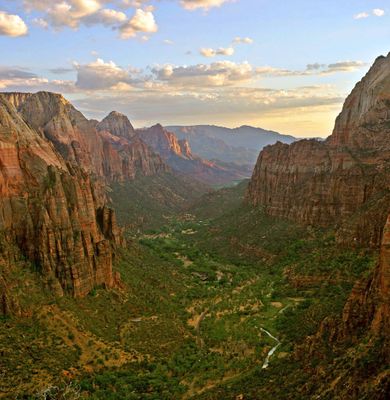
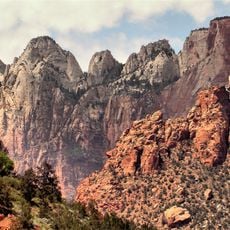
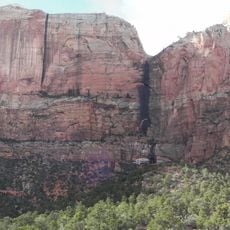
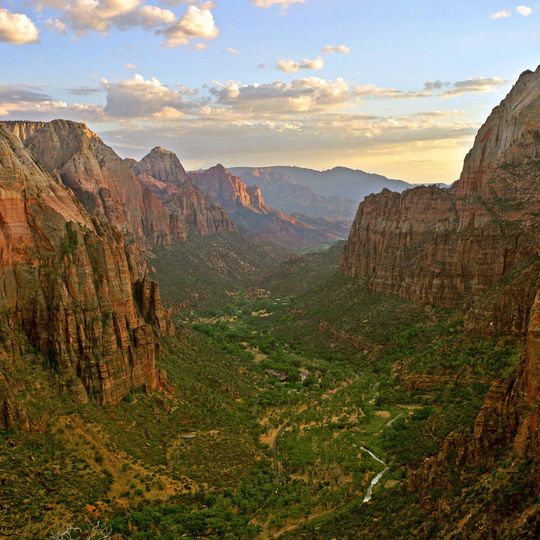
Zion Canyon is a gorge about 16 miles (26 km) long cut by the North Fork of the Virgin River through Navajo Sandstone. It begins upstream in the Narrows, where the floor averages 20 feet (6.1 m) wide, and ends at the Temple of Sinawava, a natural amphitheater nearly 3,000 feet (910 m) deep. The main canyon floor widens to almost 1,000 feet (300 m) and carries a riparian forest.
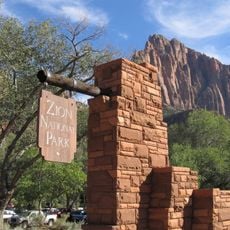
The area was protected as Mukuntuweap National Monument by President William Howard Taft in 1909 and gained national park status a decade later in 1919. This change reflected growing recognition of the canyon's importance as a protected natural area.
The name Zion comes from a biblical term for a place of peace and rest; Mormon settler Isaac Behunin, who arrived in the late 1850s, is credited with applying it to the canyon. Explorer John Wesley Powell is credited with the name Mukuntuweap, said to be the native name; weap is Paiute for canyon. The canyon is also called Little Zion and Straight Cañon.
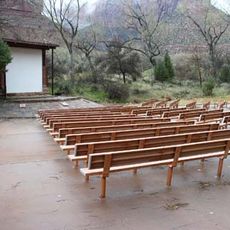
Zion Canyon Drive ends at the Temple of Sinawava, where the Riverside Walk trail continues upstream to the lower end of the Narrows. Hiking in the Narrows is permitted only when water levels are low enough, as flash floods can rise quickly after heavy rainstorms. The canyon floor in the Narrows averages about 20 feet wide, while most of the main canyon floor is close to 1,000 feet wide.
The area sits where the Colorado Plateau, Great Basin, and Mojave Desert meet, creating four distinct vegetation zones. This rare overlap of ecosystems attracts nearly 300 bird species that visitors might spot throughout their stay.
The community of curious travelers
AroundUs brings together thousands of curated places, local tips, and hidden gems, enriched daily by 93,760 contributors worldwide.