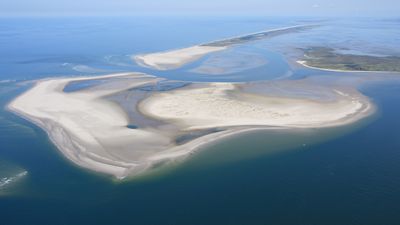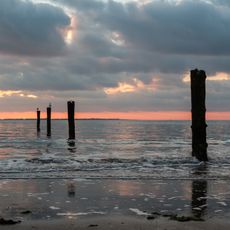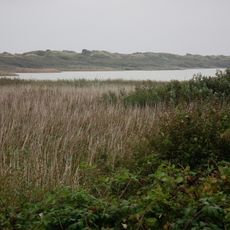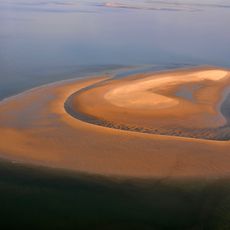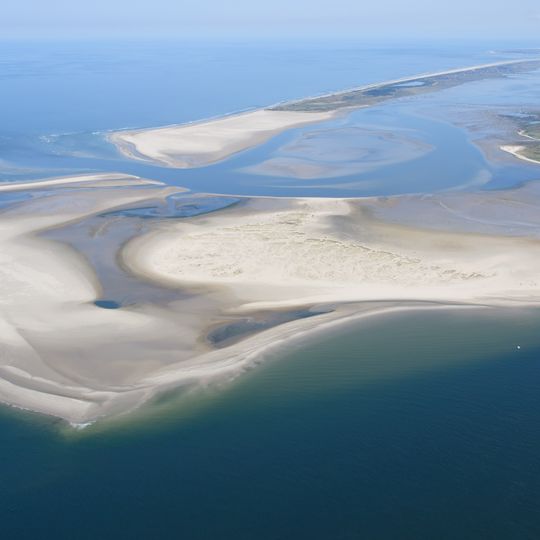
Kachelotplate, High sand in East Frisian Islands, Germany.
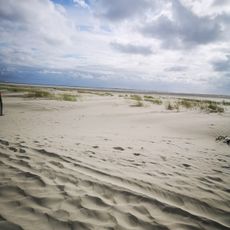
Kachelotplate is a sandbank formation in the East Frisian Islands that rises as a flat landmass constantly surrounded by tidal waters. It consists of light, fine sand and becomes partially or completely submerged at high tide.
The sandbank first appeared in maps during the early 1800s and officially gained island status in 2003. Its formation demonstrates how North Sea landscapes continuously change through natural sediment movement and accumulation.
This sandbank formation supports nesting colonies of seabirds and serves as a vital breeding ground for North Sea species. The site draws birdwatchers and conservation observers who come to study how coastal life returns to recently formed areas.
Visiting requires special permits and depends heavily on weather conditions, as the sandflats flood regularly with tidal movements. Exploration is only safe with knowledgeable guides and during stable periods.
The sandbank drifts slowly toward the neighboring Memmert Island and may eventually merge with it. This ongoing process reveals how dynamic and ever-changing the coastal landscape truly is.
The community of curious travelers
AroundUs brings together thousands of curated places, local tips, and hidden gems, enriched daily by 91,372 contributors worldwide.