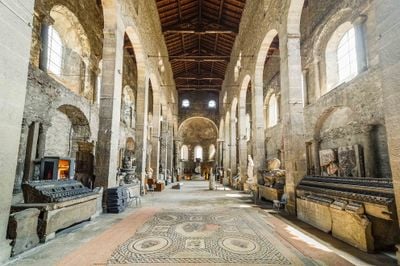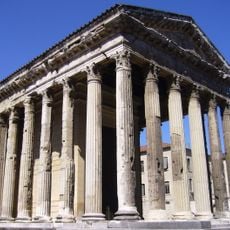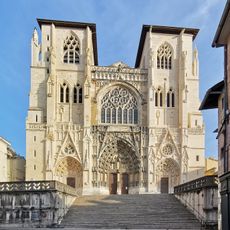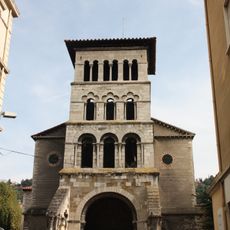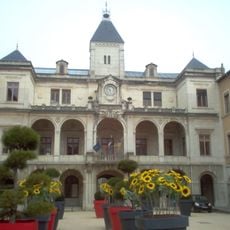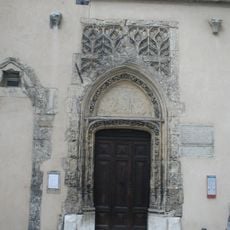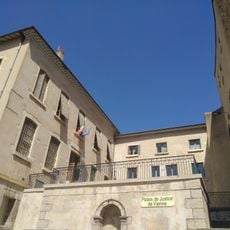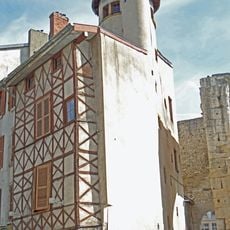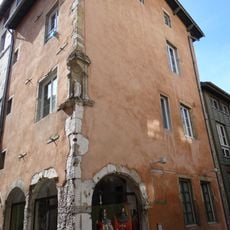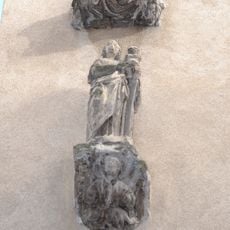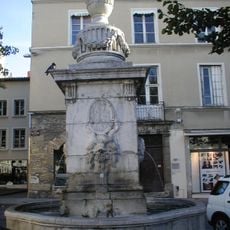
Musée archéologique Saint-Pierre, Archaeological museum in Vienne, France.
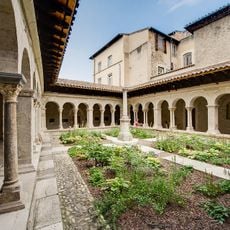
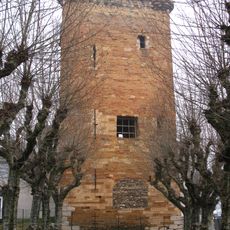
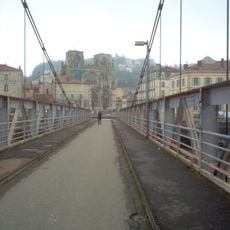
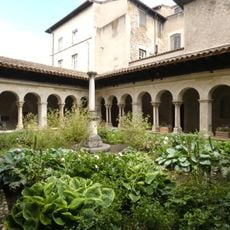
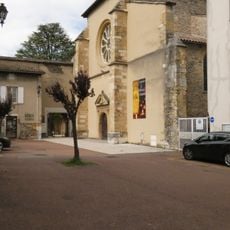
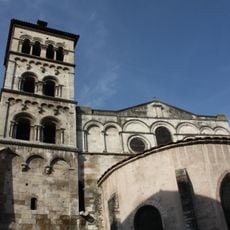
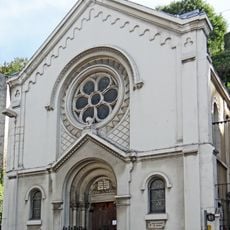
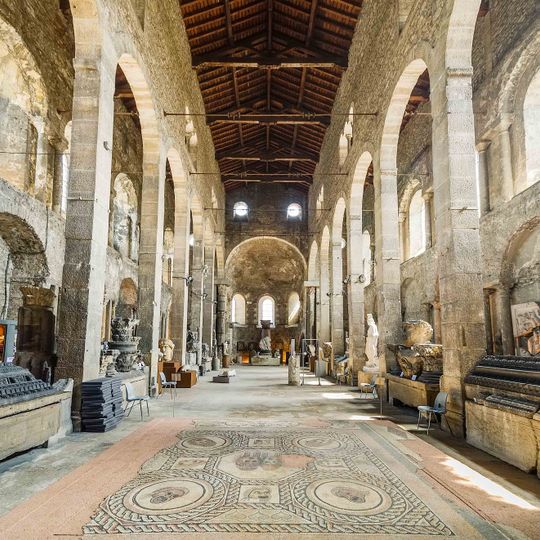
The Archaeological Museum Saint-Pierre houses stone and marble sculptures, ancient mosaics, and lapidary inscriptions within a former church building from the 5th century. The site preserves remains from a time when this area thrived under Roman rule.
The original church structure was built in the 5th century and served as a burial site for bishops of Vienne until the 13th century. Its transformation into a museum occurred in 1809 following the French Revolution, giving the religious structure a new purpose.
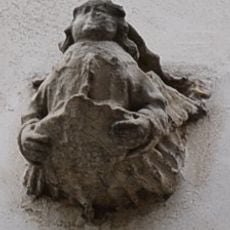
The collection displays imperial portraits, a colossal head of Juno, and depictions of gods like Apollo and Diana found during surrounding excavations. These works offer visitors insight into the Roman religious practices and artistic traditions that took root in this region.
The building is currently closed for comprehensive renovation work that will continue until late 2027. During this period, the churches of Saint Peter and Saint Georges are being merged into a combined facility.
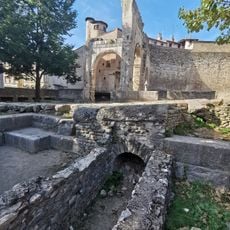
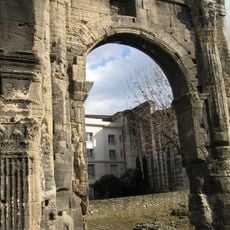
Excavations from 1966 uncovered remains of Roman houses and mosaics from the 1st to 3rd century, revealing that the site was once a Gallo-Roman necropolis. These discoveries offer rare insight into the daily lives and artistic preferences of the Roman inhabitants who lived here.
The community of curious travelers
AroundUs brings together thousands of curated places, local tips, and hidden gems, enriched daily by 60,000 contributors worldwide.