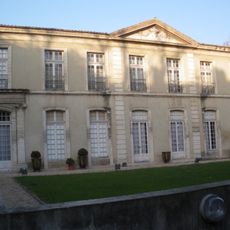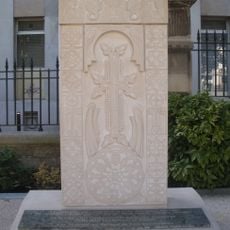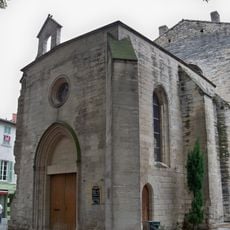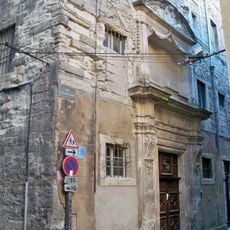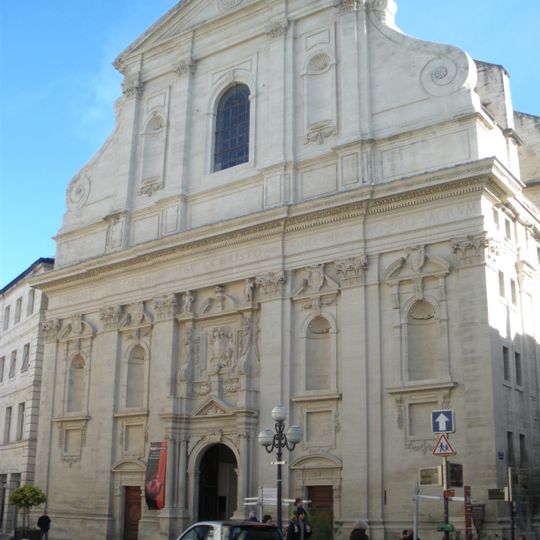
Musée lapidaire d'Avignon, Archaeological museum in Avignon, France.
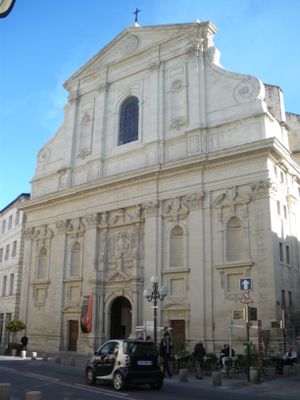
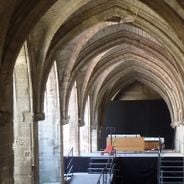
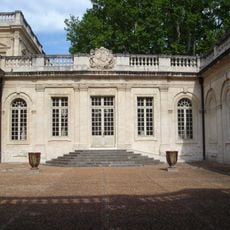
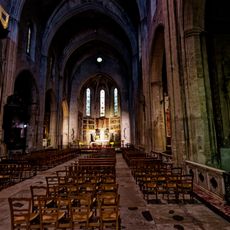
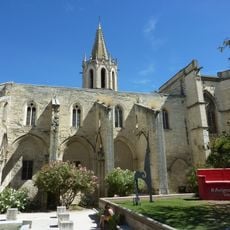
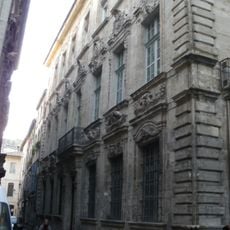
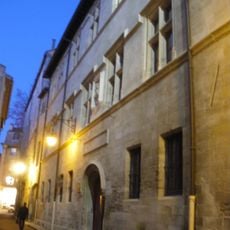
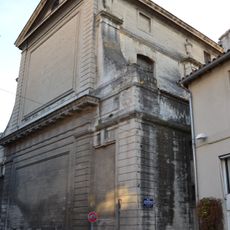
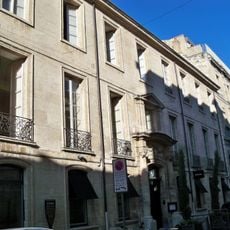
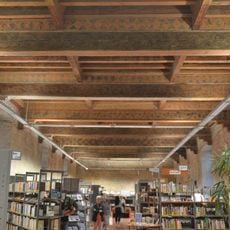
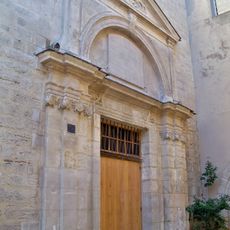
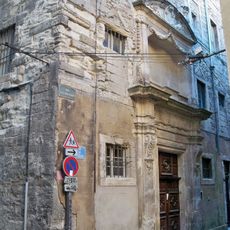
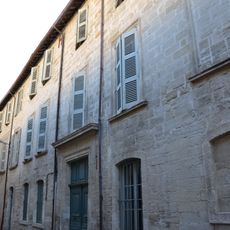
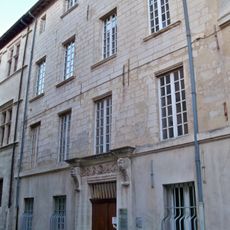
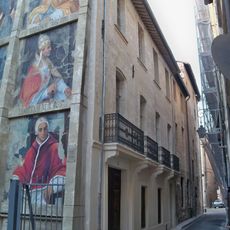
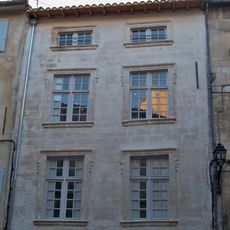
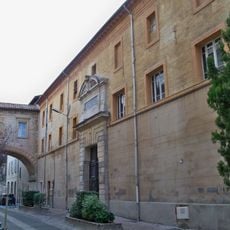
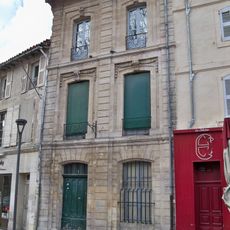
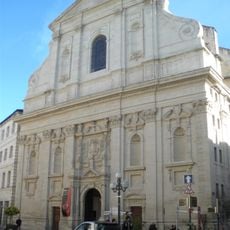
The Musée Lapidaire occupies a former Jesuit chapel and displays Greek, Roman, Gallo-Roman, and early Christian archaeological collections within its stone walls. The building itself serves as both a protective container and a fitting setting for these ancient remains.
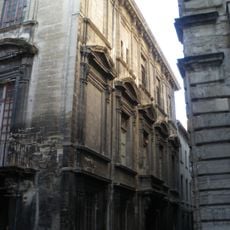
The building began as a chapel in 1620, designed by architects Étienne Martellange and François de Royers de La Valfenière. It transitioned to its role as a museum in 1933, when it started preserving regional archaeological discoveries.
The collections reflect how different peoples who lived around the Mediterranean expressed their beliefs and honored their dead. You can see this through the sculptures, vessels, and monuments they left behind, each telling something about how they lived.
Entry is free and the museum organizes regular guided tours with curators and mediators to help you understand the collections. Plan to spend time moving slowly through the rooms to appreciate the details of each artifact.
The museum houses the Tarasque de Noves, a stone sculpture from the Celtic era that depicts a mythical beast. This work reveals how Roman and Celtic religious traditions blended in this region.
The community of curious travelers
AroundUs brings together thousands of curated places, local tips, and hidden gems, enriched daily by 92,229 contributors worldwide.