See the monuments around you in AROpen chests in the app
Around Us is built for your phone — point your camera at the streets and discover the monuments and places around you in augmented reality.Around Us is built for your phone — chests unlock when you walk, explore and capture nearby places.
Avignon in southeastern France offers photographers many historical subjects to capture. The Papal Palace displays medieval architecture with large stone walls and Gothic details. The Saint-Bénézet bridge crosses the Rhône river and stands as a recognizable landmark of the city. From Rocher des Doms, visitors see the entire old town and surrounding landscape.
The old city is enclosed by ancient walls and contains many worthwhile places to photograph. Place du Palais is framed by historical buildings, while Rue des Teinturiers preserves old water wheels from earlier times. Several museums, churches, and theaters throughout the city offer photographic interest. The Île de la Barthelasse provides green spaces and a different perspective of the city.
Nearby Avignon, other important locations await exploration. Pont du Gard is a remarkable Roman structure. Villeneuve-lès-Avignon across the river features Fort Saint-André and Tour Philippe-le-Bel. This region combines architecture from different periods and offers engaging scenes for photographers.
Avignon in southeastern France offers photographers many historical subjects to capture. The Papal Palace displays medieval architecture with large stone walls and Gothic details. The Saint-Bénézet bridge crosses the Rhône river and stands as a recognizable landmark of the city. From Rocher des Doms, visitors see the entire old town and surrounding landscape.
The old city is enclosed by ancient walls and contains many worthwhile places to photograph. Place du Palais is framed by historical buildings, while Rue des Teinturiers preserves old water wheels from earlier times. Several museums, churches, and theaters throughout the city offer photographic interest. The Île de la Barthelasse provides green spaces and a different perspective of the city.
Nearby Avignon, other important locations await exploration. Pont du Gard is a remarkable Roman structure. Villeneuve-lès-Avignon across the river features Fort Saint-André and Tour Philippe-le-Bel. This region combines architecture from different periods and offers engaging scenes for photographers.
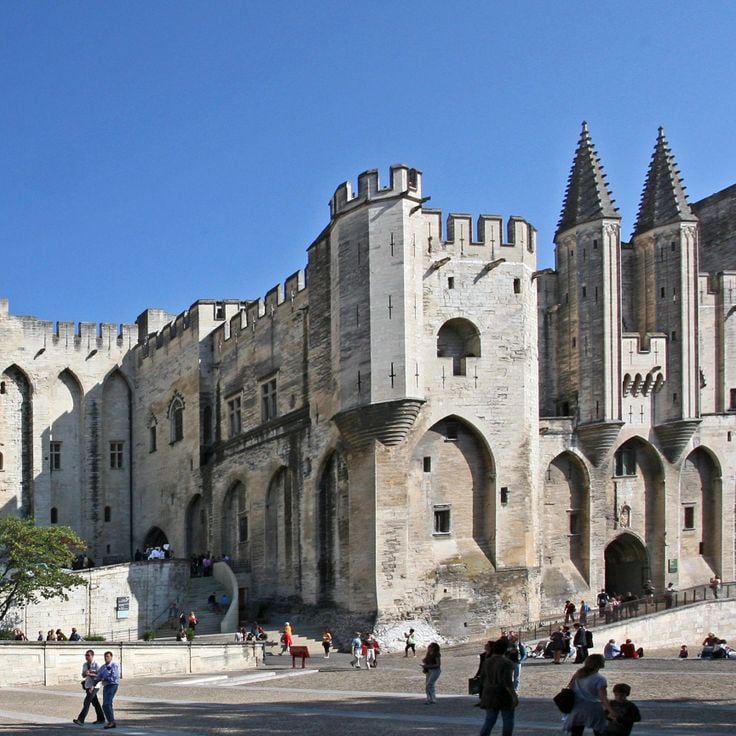
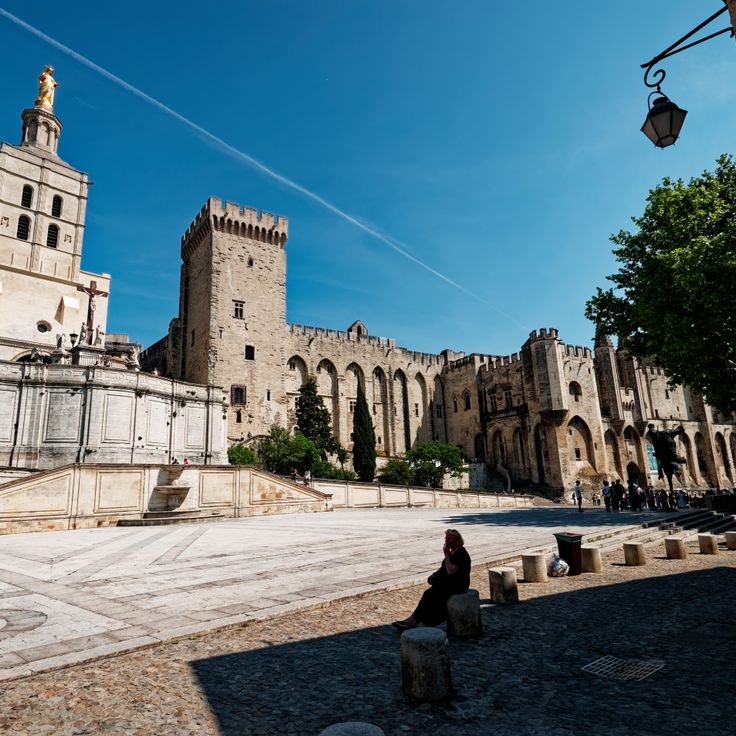
The Palais des Papes is the main subject for photographers visiting this collection of historical locations in Avignon. This medieval palace impresses with its massive stone façade and gothic windows. The architecture dates to the 14th century and shows the power of the Church during that era. Visitors can photograph ceremonial halls and private chambers that have been preserved to this day.
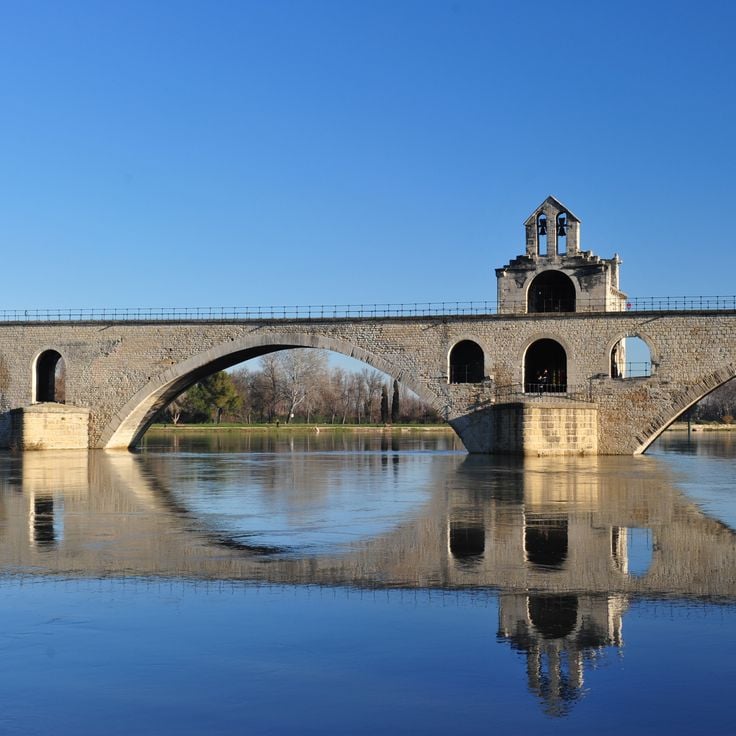
The Pont Saint-Bénézet is a medieval stone bridge from the 12th century that crosses the Rhône river. For photographers seeking the best photography locations in Avignon, this bridge offers compelling subjects with four of its original 22 arches remaining. The structure reflects in the water below, revealing the craftsmanship of the medieval period. Its incomplete form tells the story of centuries past, making it one of the city's most recognizable monuments.
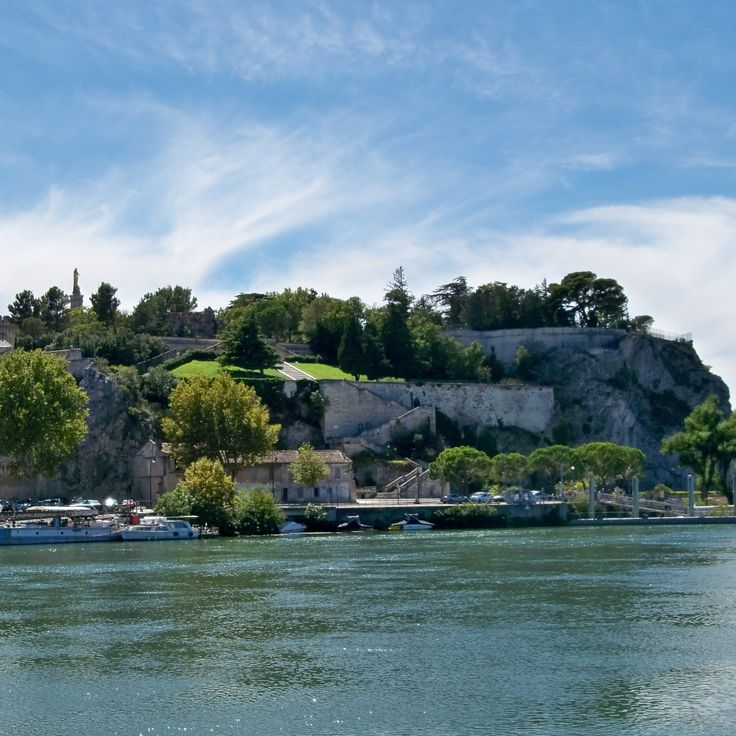
The Rocher des Doms is a natural limestone rock in Avignon that rises above the city and the Rhône river. With its public garden and viewpoints, this location offers photographers excellent opportunities to capture the historic old town, the Papal Palace, and the famous Saint-Bénézet bridge. Its elevated position makes it a key spot in this collection of photography locations in southeastern France.
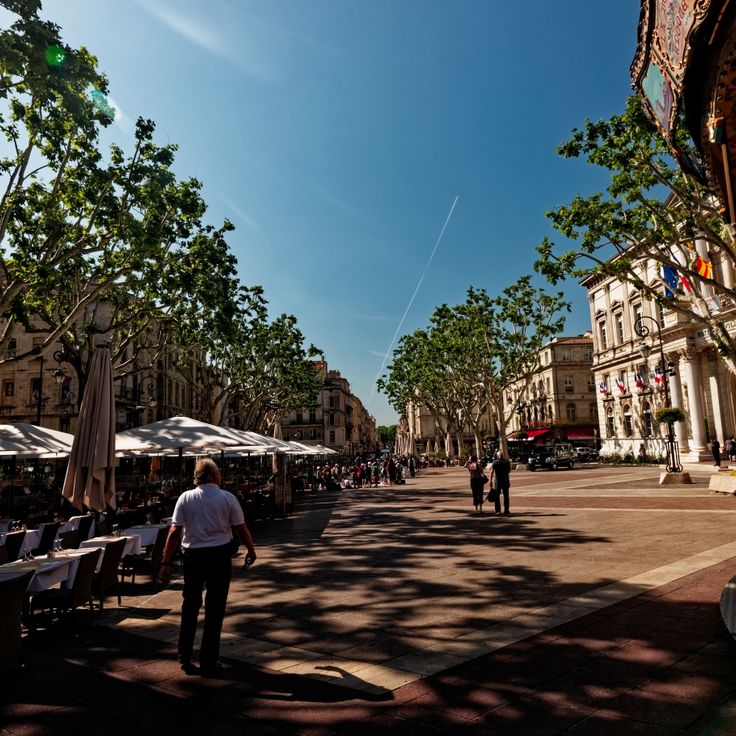
Place du Palais is the central square in front of the Papal Palace, offering open space with restaurants and shops housed in historic buildings. For photographers documenting Avignon's history, this square serves as a key location to capture both the city's architecture and its daily life.
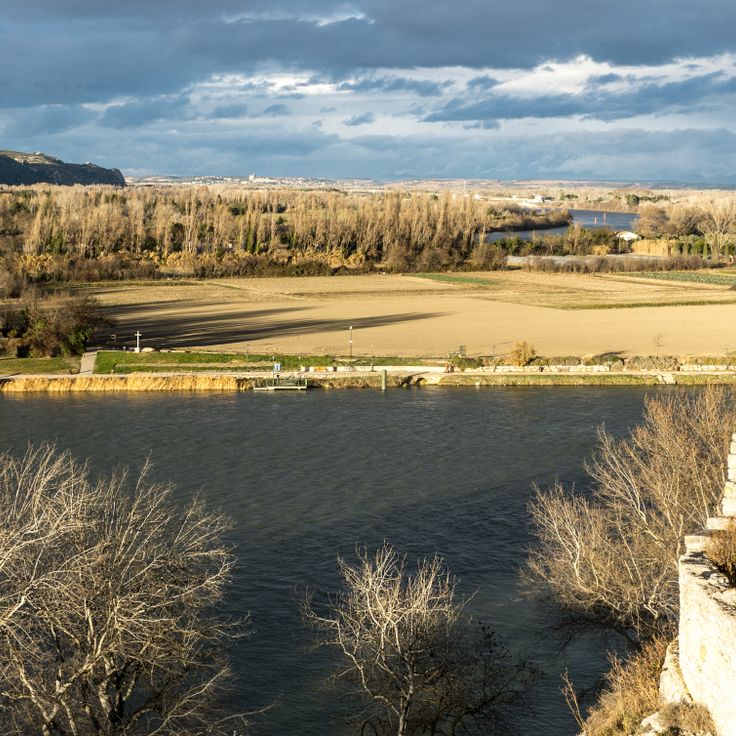
This island is an excellent spot for photography in Avignon. The Île de la Barthelasse sits between two branches of the Rhône River and offers walking paths, farmland, and open green spaces. Photographers can capture natural settings and the river landscape.
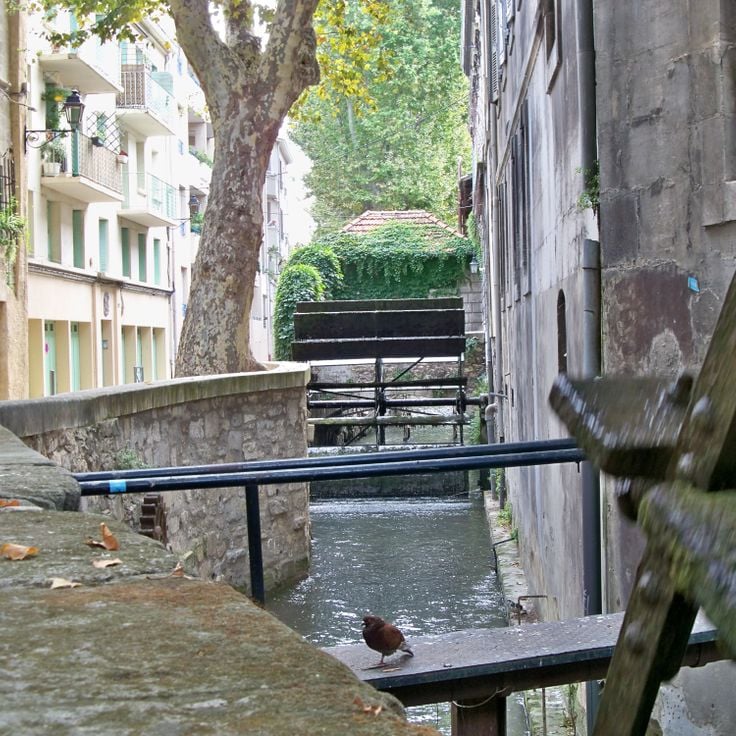
This medieval street in Avignon displays four historic water wheels along the Vaucluse canal that once powered textile factories. The Rue des Teinturiers offers photography subjects with its old architecture and functioning water wheels that reveal the city's craftwork heritage.
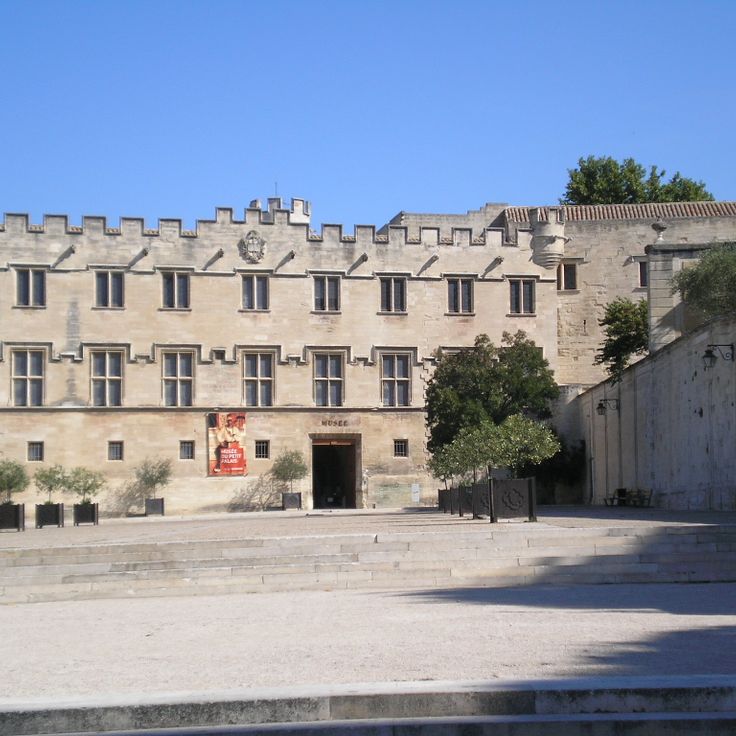
The Musée du Petit Palais serves as an excellent location for photographers documenting Avignon's artistic heritage. This museum occupies a 14th-century cardinal palace and displays Italian paintings spanning the 13th to 15th centuries. The building's medieval architecture and the works within offer compelling subjects for photography, connecting visitors to the city's rich cultural past.
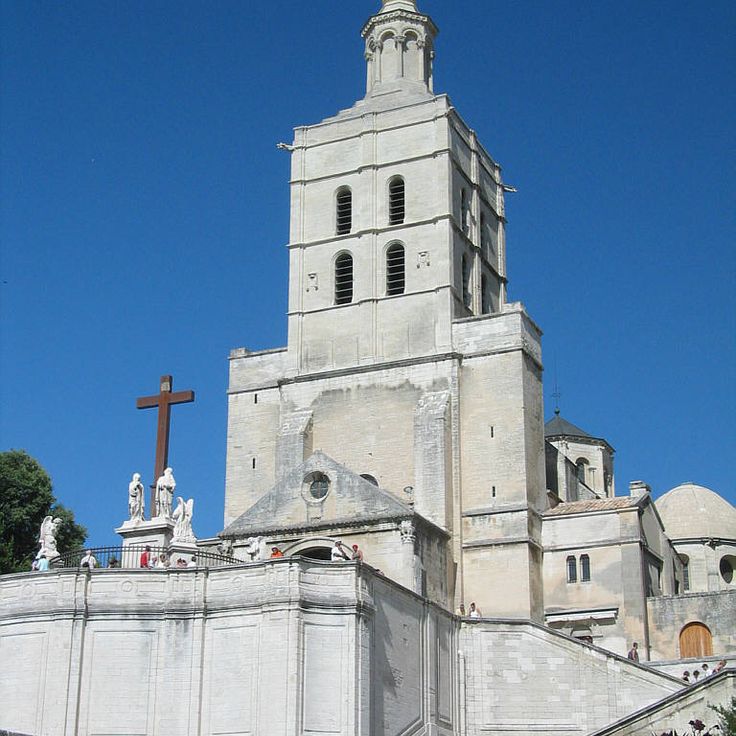
The Cathédrale Notre-Dame des Doms in Avignon is a place where photographers can capture Romanesque architecture and religious artworks. The cathedral features a 6-meter-tall Virgin Mary statue on its tower and 14th-century frescoes inside. This building fits naturally into the collection of photography locations in Avignon, where architecture tells centuries of history.
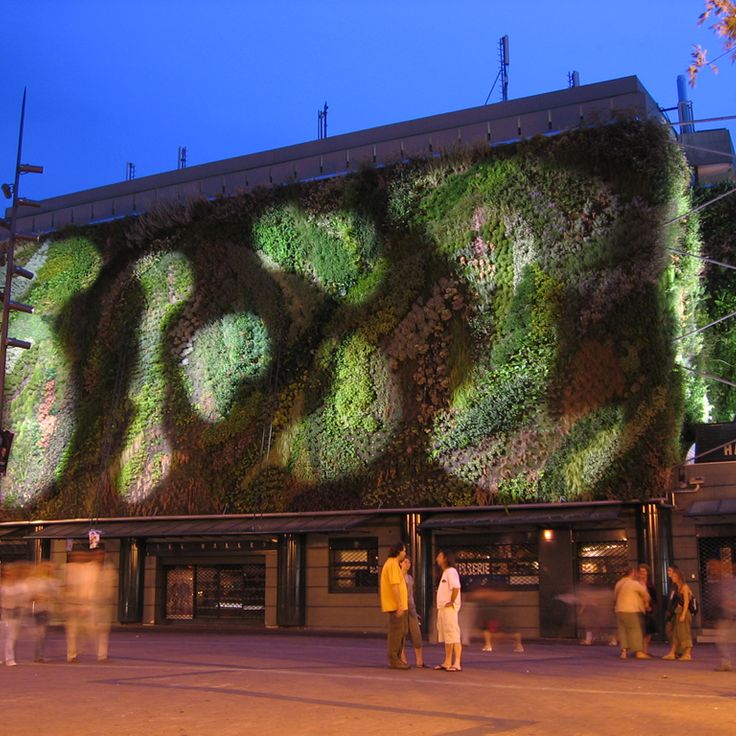
Les Halles d'Avignon is a covered market in this southeastern French city and provides photographers with a vibrant location to capture regional food traditions. The market houses around 40 stalls with butchers, bakers, and vegetable vendors selling their wares daily. The lighting beneath the roof and the colorful displays of the merchants create opportunities for documentary photography and close-up shots.
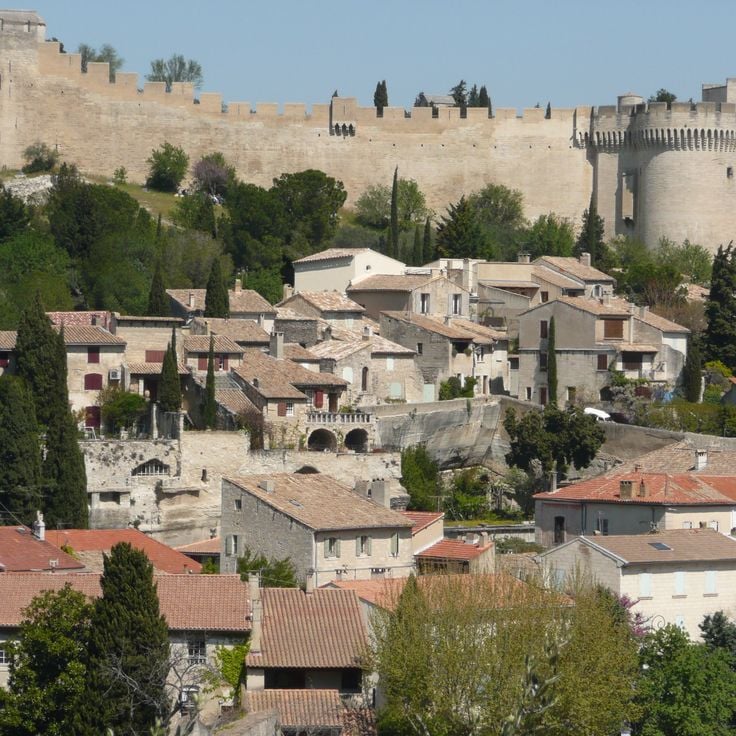
Fort Saint-André is a photography location in Villeneuve-lès-Avignon for photographers interested in historical structures. This 14th century fortress stands on Mont Andaon and offers views over the Rhône valley. From this vantage point, photographers can capture medieval architecture and the surrounding landscape of the region.
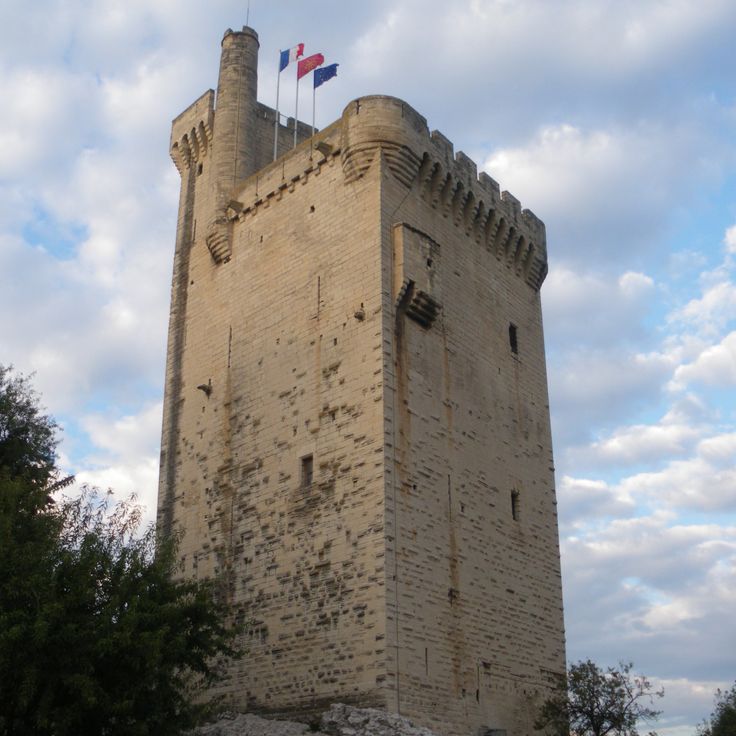
Tour Philippe-le-Bel in Villeneuve-lès-Avignon is a gate tower built in 1293 that once controlled access to the Saint-Bénézet bridge. It marked the boundary between the French kingdom and the Papal territories. For photographers exploring Avignon's historical subjects, this tower presents medieval stonework and structural details worth capturing.
The Place de l'Horloge is a central square in Avignon offering photographic subjects for photographers. The city hall from the 19th century shapes the character of the square, and a two-story carousel adds a playful element. The architecture and daily life make this location a worthwhile destination for photographic exploration in this southeastern French city.
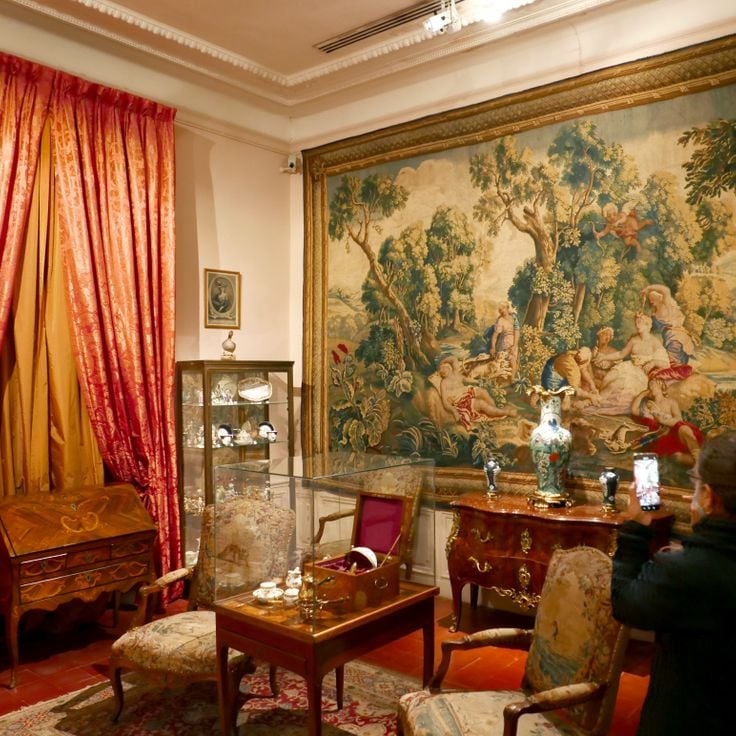
This museum is housed in a 19th century villa and offers photographers subjects for capturing historical interiors and collections. The Musée Louis Vouland displays furniture and artworks from Provence, providing numerous opportunities for detailed shots and compositions. The building itself, with its rooms and decorative elements, presents scenes that reflect the history and culture of the region.
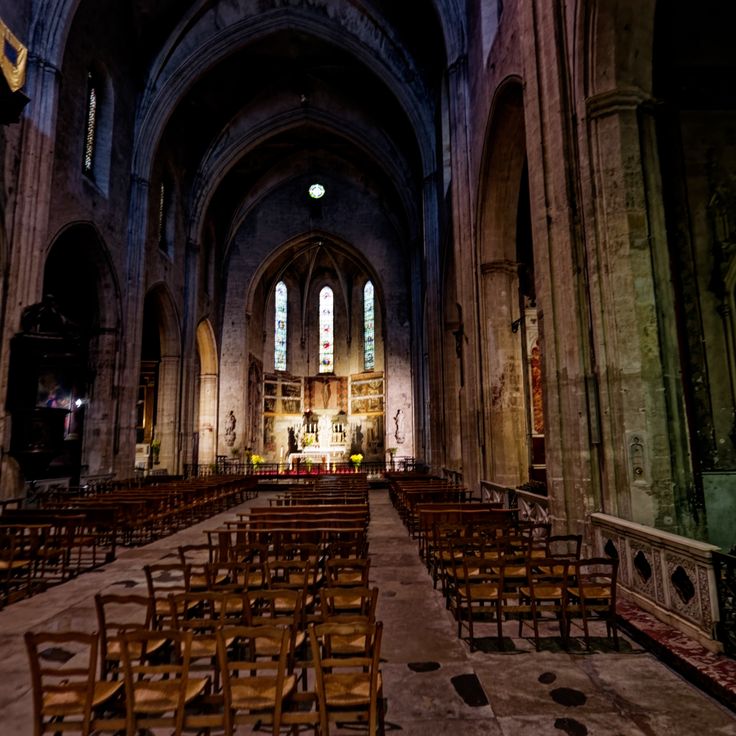
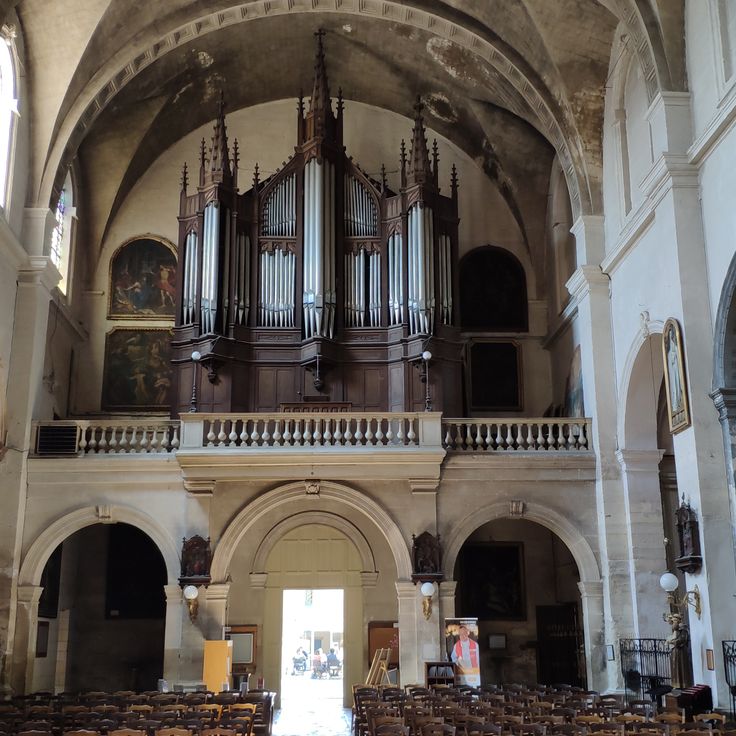
The Collégiale Saint-Didier is a 14th-century church and an important photography subject in Avignon. It features a stone altarpiece and medieval stained glass windows that offer visual interest under different lighting conditions. The church displays the religious architecture of the period and fits naturally into a photographic exploration of the city's historical treasures.
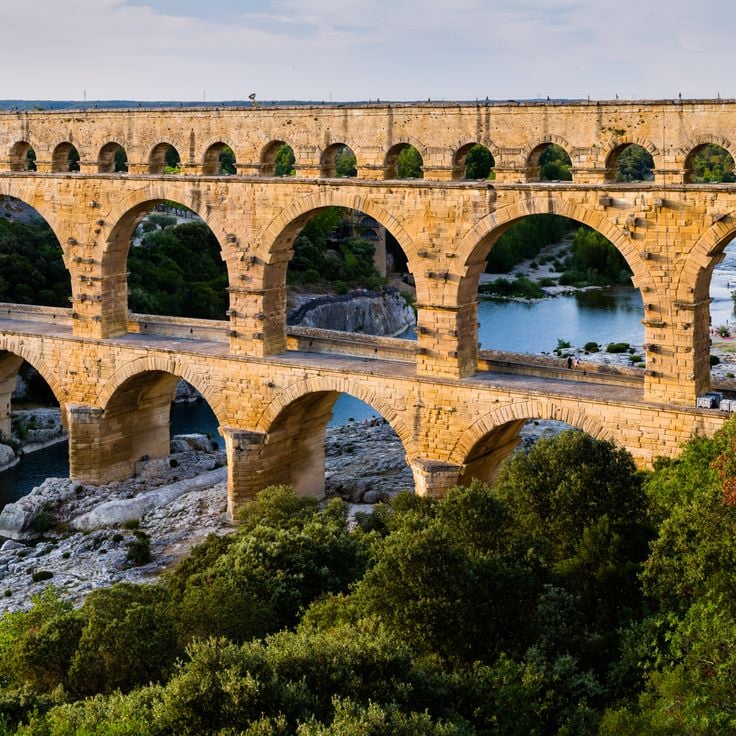
The Pont du Gard is a 1st century Roman aqueduct that offers compelling subjects for photographers drawn to ancient engineering. Its three tiers of stone arches spanning the Gardon River create striking compositions and reveal the technical mastery of Roman builders. Located near Avignon, this structure adds to the collection of historical photography locations throughout the region.
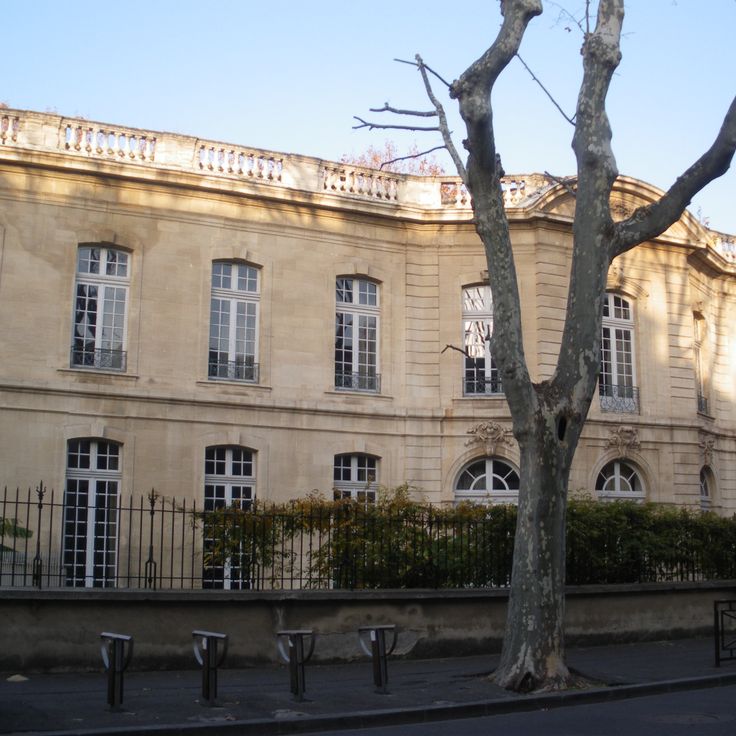
The Calvet Museum is an art museum housed in a city palace that offers interesting subjects for photographers. The collections span from the Middle Ages to the 20th century, showing artistic development across different periods. The building itself is a fine example of Avignon's architecture with appealing details to capture on camera. It sits in the historical city where the Papal Palace and the Saint-Bénézet bridge also stand.
The Collection Lambert is a museum in Avignon dedicated to modern and contemporary art. For photographers seeking subjects in this city known for medieval history, this museum offers a different perspective with its galleries and artworks. The collection comes from the private gathering of gallerist Yvon Lambert and displays works representing various artistic movements of the modern and contemporary periods. Here, visitors can see how artists have responded to their times and how creative expression has evolved over decades.
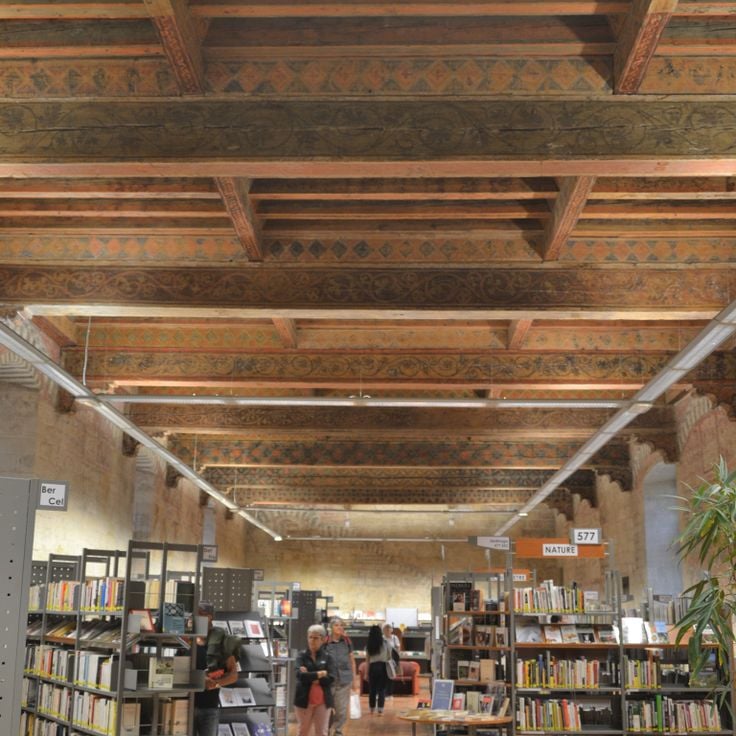
The Médiathèque Ceccano is a library housed in a 14th-century Gothic palace and offers photographers a location with Gothic architecture, painted ceilings, and original stone carvings. As one of Avignon's historical subjects for photographers, this building sits alongside the Papal Palace and other medieval structures.
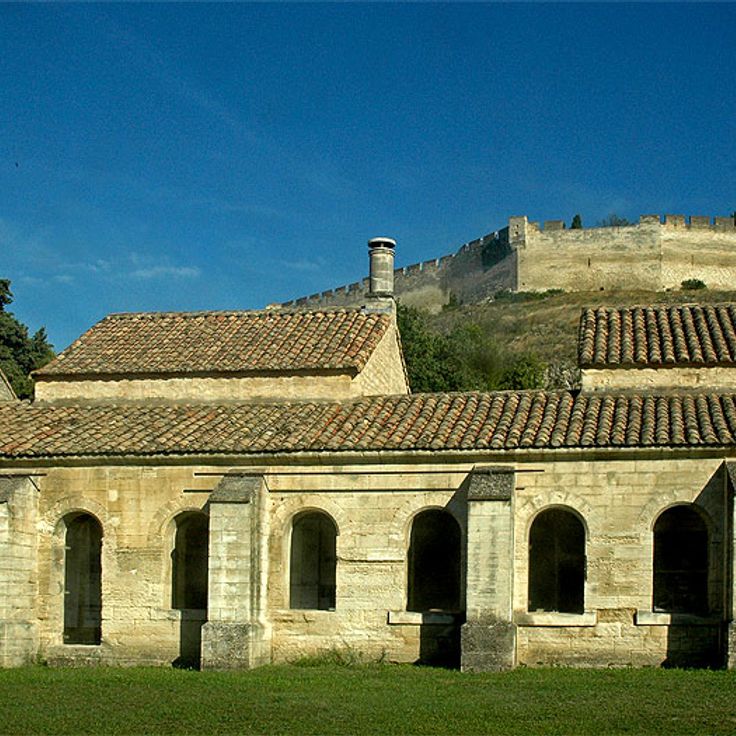
The Chartreuse of Villeneuve-lez-Avignon is a 14th-century monastery complex and a rewarding subject for photographers exploring medieval architecture in southeastern France. The site features three cloisters, forty cells, and a system of gardens that reflect monastic life. The ruins and preserved structures provide varied perspectives for capturing the religious heritage of the region.
The Palais du Roure is a Renaissance city palace in Avignon and offers photographers compelling subjects for images. This palace houses a collection of Provençal artworks, furniture and traditional crafts that reflect the region's heritage. The architecture and valuable interiors make this location a rich source for historical photography in southeastern France.
This street in central Avignon offers photographers a variety of subjects. Rue Joseph Vernet captures the modern rhythm of the city with international fashion stores, art galleries, and local shops. The street bridges different periods and is a good spot to photograph daily life in Avignon. It complements other historical sites in the city like the Papal Palace and the Saint-Bénézet bridge.
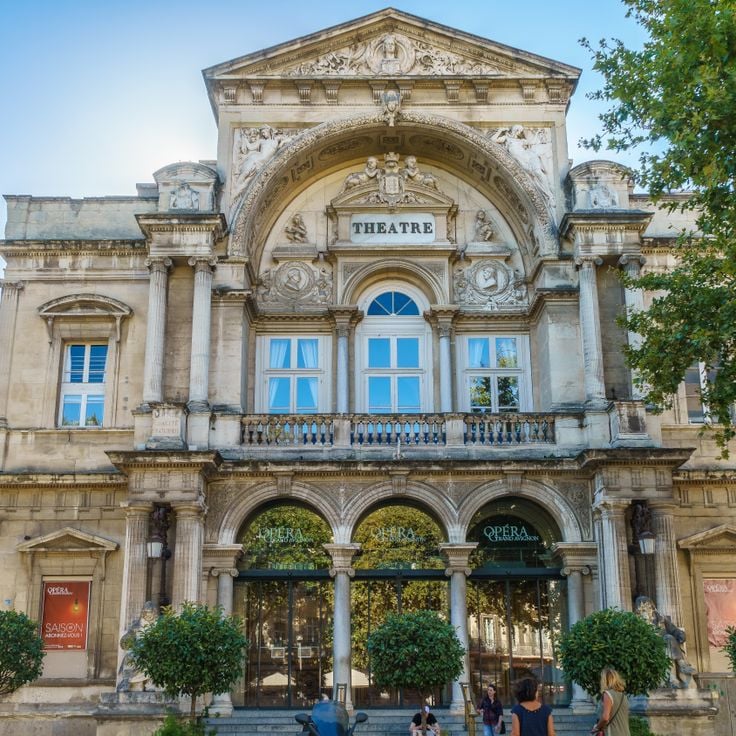
L'Opéra Grand Avignon is an important subject for photographers capturing the historical landmarks of this southeastern French city. Built in 1847, the theater showcases classical architecture and offers striking photographic opportunities. It seats approximately 1250 people and forms part of the city's architectural heritage that draws photographers to Avignon.
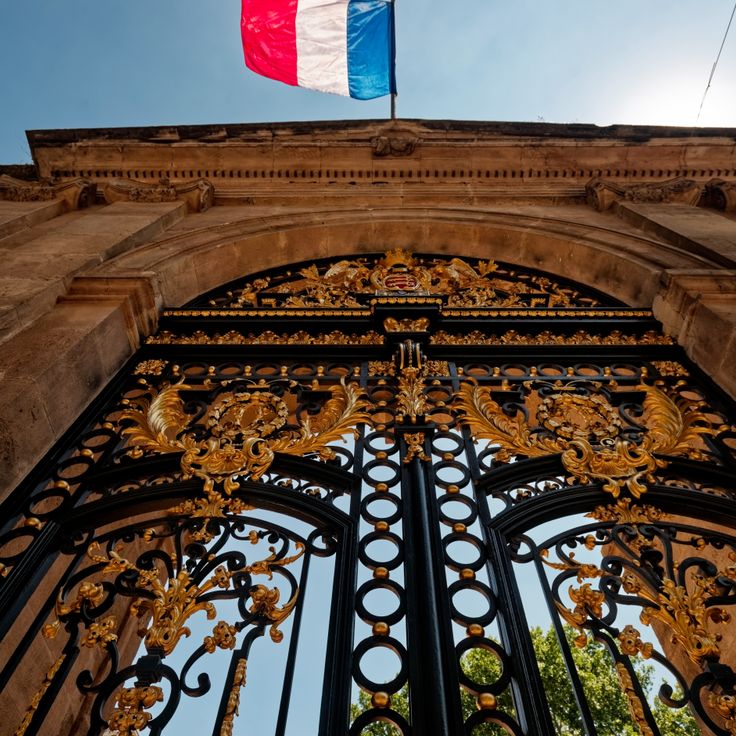
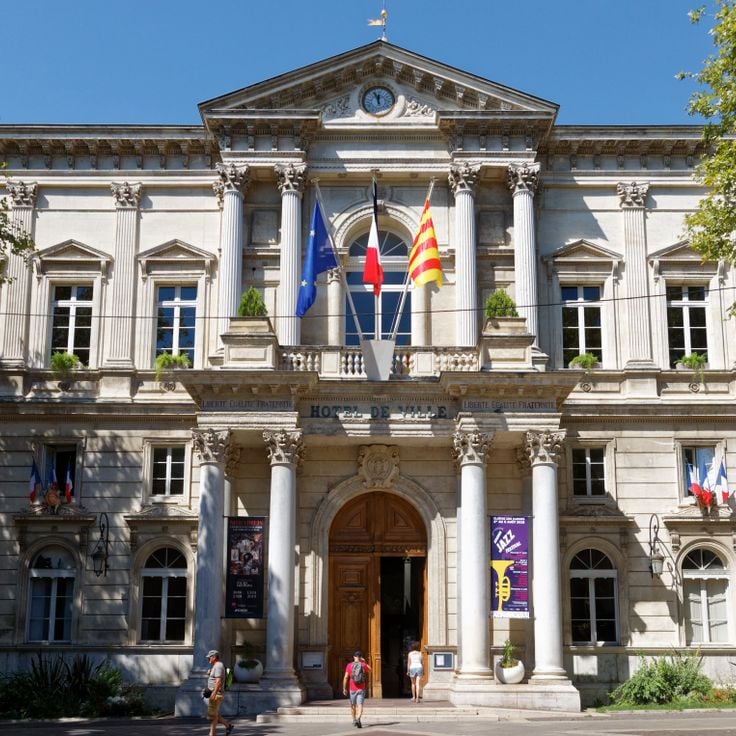
The Hôtel de Ville is a 19th century administrative building with a classical facade that serves as the seat of Avignon's city administration. For photographers exploring this southeastern French city's historical subjects, it represents the architectural heritage alongside medieval landmarks like the Papal Palace and the Saint-Bénézet bridge.
This neoclassical temple in Avignon now serves as an exhibition space for contemporary art and cultural events. As a photographer, you will find elegant architectural details and interesting lighting conditions that change throughout the day. The building offers a modern perspective on the historic city and shows how old structures take on new purposes.
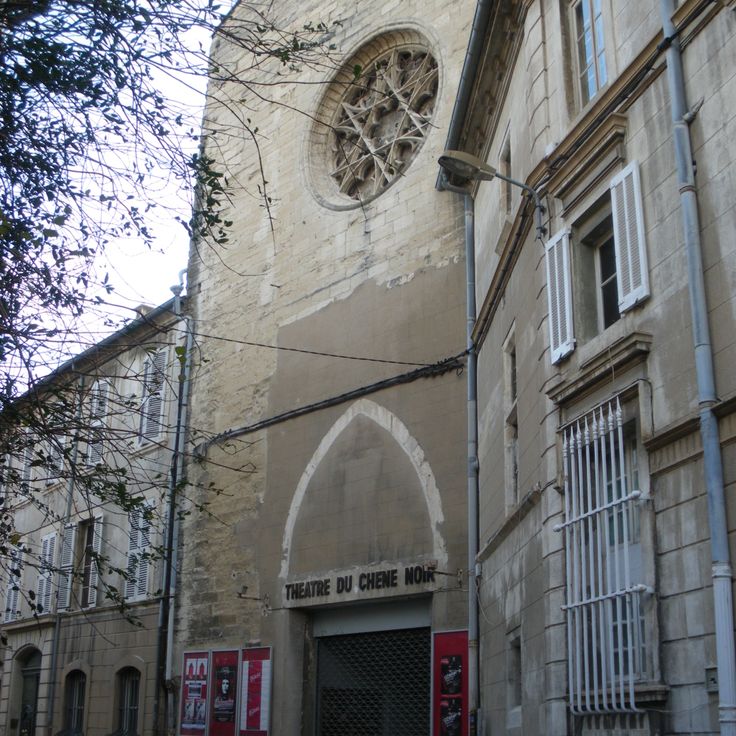
The Théâtre du Chêne Noir presents contemporary productions in a historic building with black wood paneling. It offers photographers a chance to capture the contrast between modern theatrical life and historical architecture, fitting perfectly into Avignon's collection of photography locations that spans from medieval palaces to distinctive corners of the city.
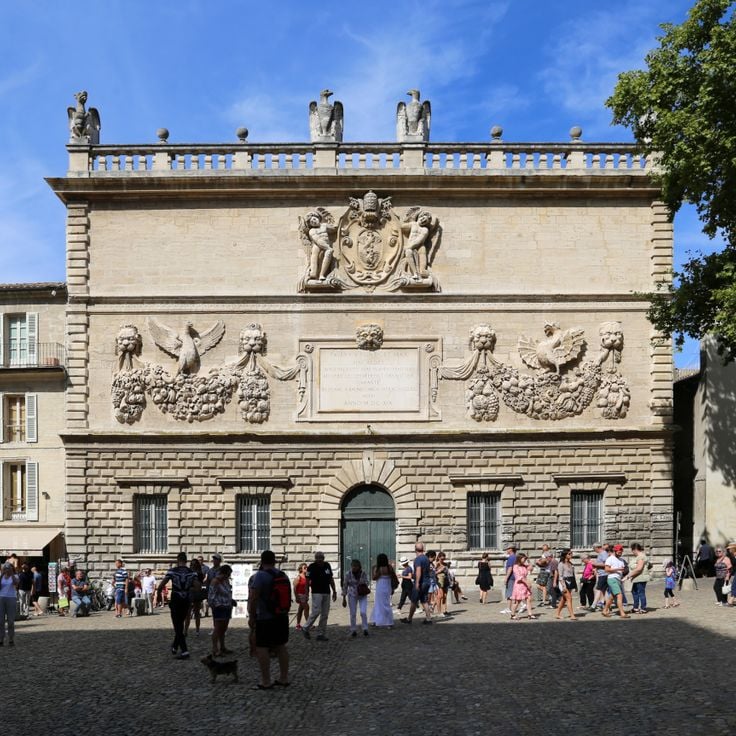
The Hôtel des Monnaies is a 17th-century building in Avignon that now houses a music conservatory in what were once the premises of the royal mint. For photographers documenting Avignon's historical subjects, this building offers an intriguing mix of classical architecture and cultural life. Its facade reflects the design principles of its era, and the site connects to Avignon's broader story as a city filled with historical structures like the Papal Palace and the Saint-Bénézet bridge.
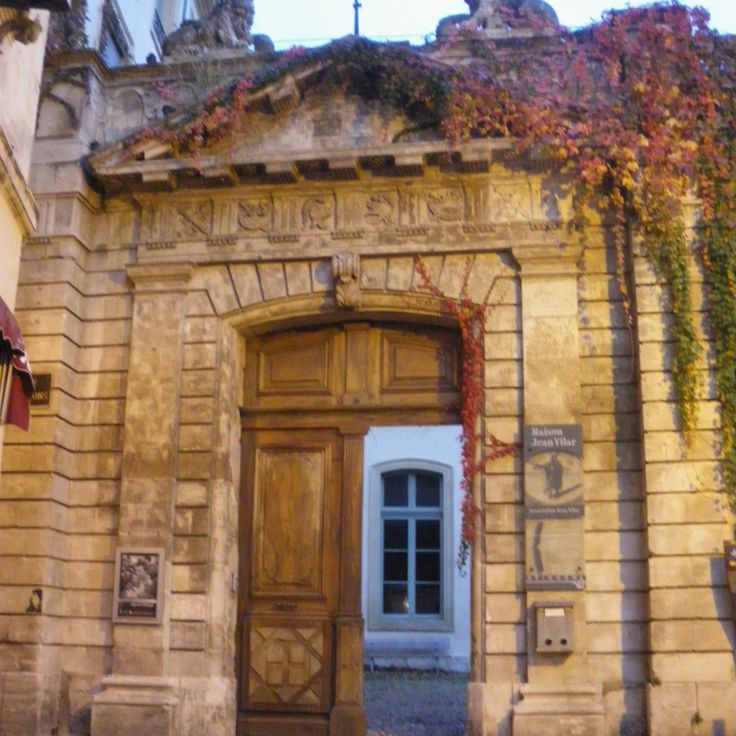
The Maison Jean Vilar documents the history of the Avignon Theater Festival through costumes, documents, and personal items of Jean Vilar. This place offers photographers a chance to capture the artistic heritage of the city and its cultural legacy.
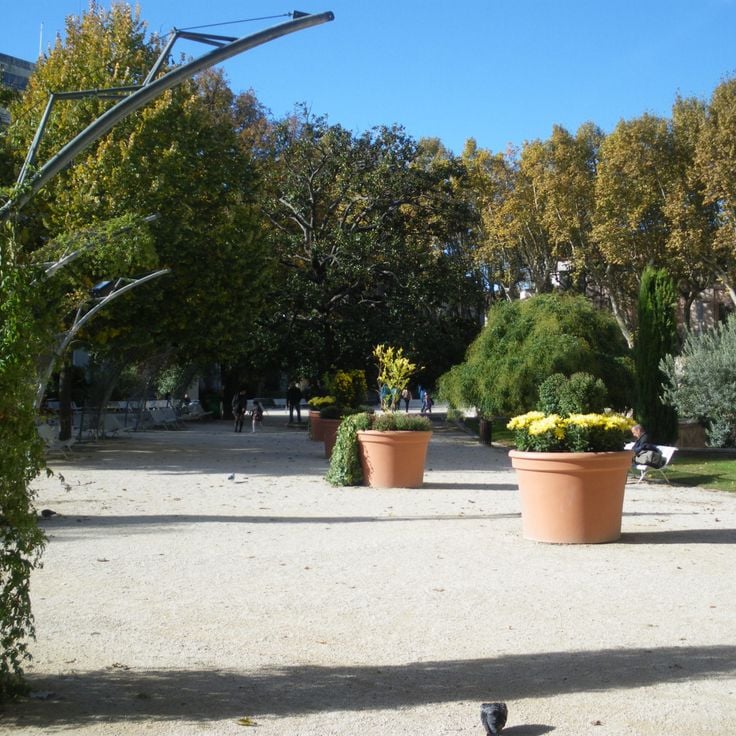
The Square Agricol Perdiguier is a public plaza in Avignon that offers photographers excellent opportunities to capture the city's historical character. Plane trees line the square, providing natural framing and shade, while benches invite visitors to rest. A statue of writer Agricol Perdiguier serves as a focal point, making this location ideal for documenting Avignon's cultural heritage through the lens.
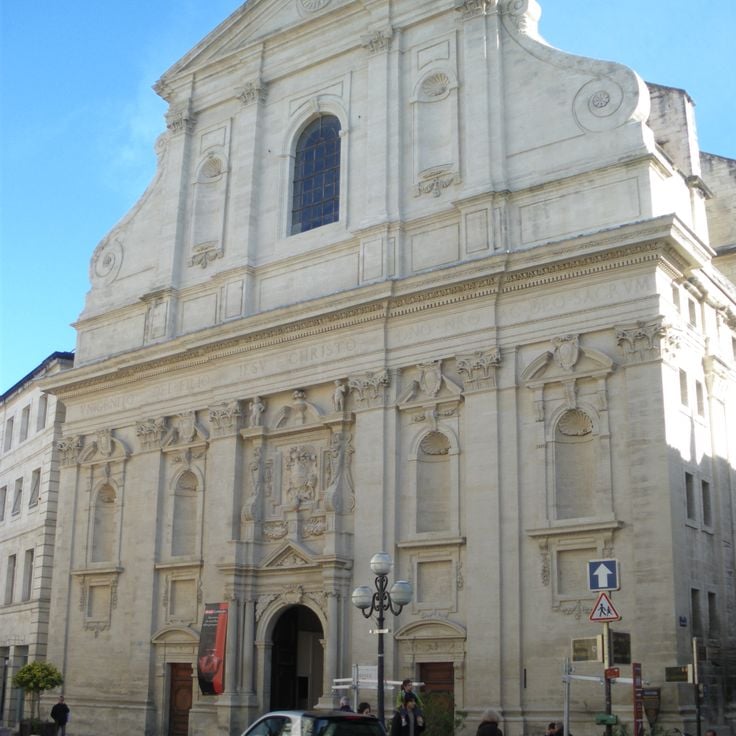
The Musée Lapidaire houses ancient objects from Greek, Roman and Etruscan cultures within a former Jesuit chapel in Avignon. For photographers, this museum offers compelling subjects to document the city's historical richness. The building's architecture and the displayed artifacts provide varied photographic perspectives and the chance to capture the layers of Avignon's past.
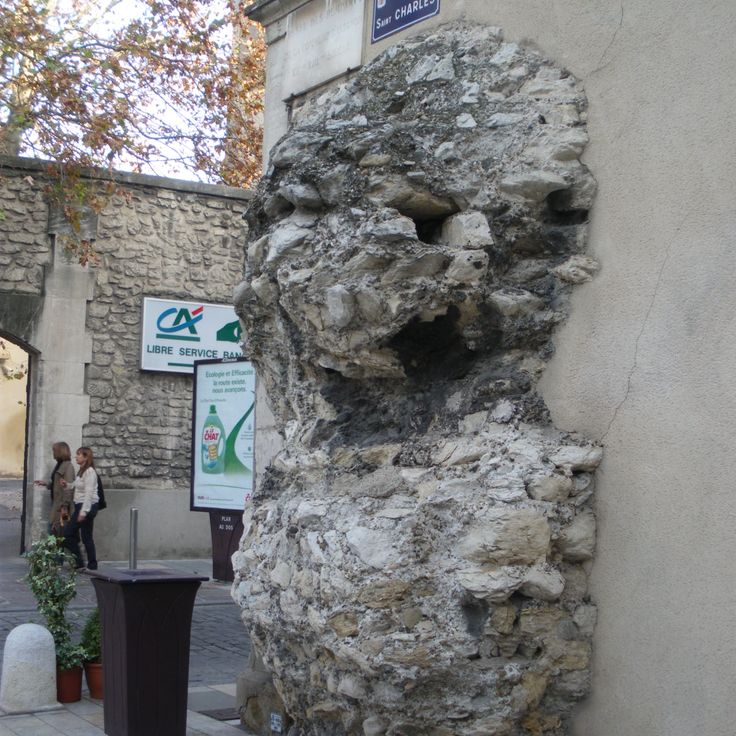
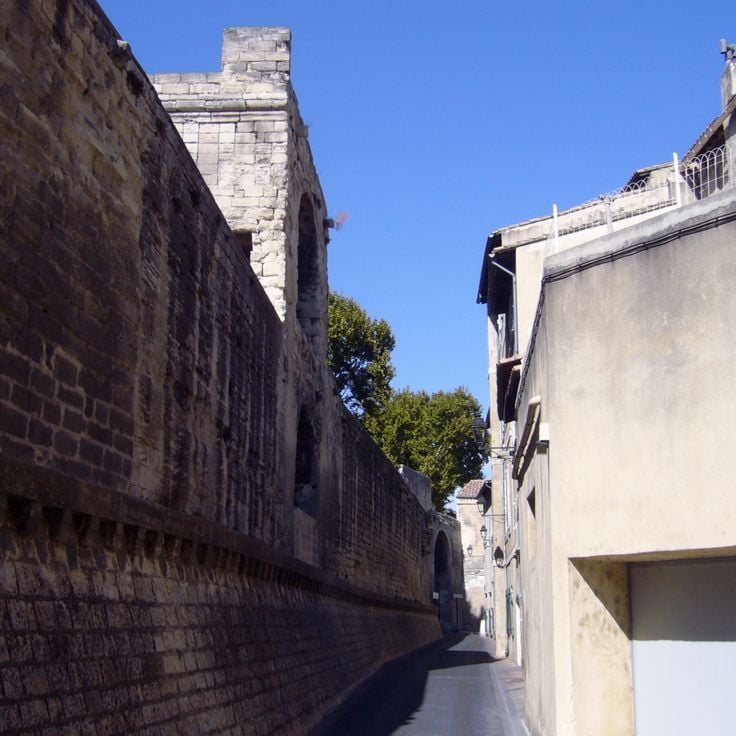
The Remparts d'Avignon are an excellent subject for photographers exploring this collection. These 14th century fortifications encircle the city with gates and towers that stand as evidence of medieval defense. They create a distinctive frame for capturing the historical architecture and offer perspectives across the city and the Rhône River.
The Église Saint-Symphorien on Île de la Barthelasse is a religious building standing on France's largest river island. Built in the 17th century, this church offers photographers a subject for documenting religious architecture in Avignon. The church sits within the natural landscape of the island, allowing photographers to capture both the building and its surroundings.
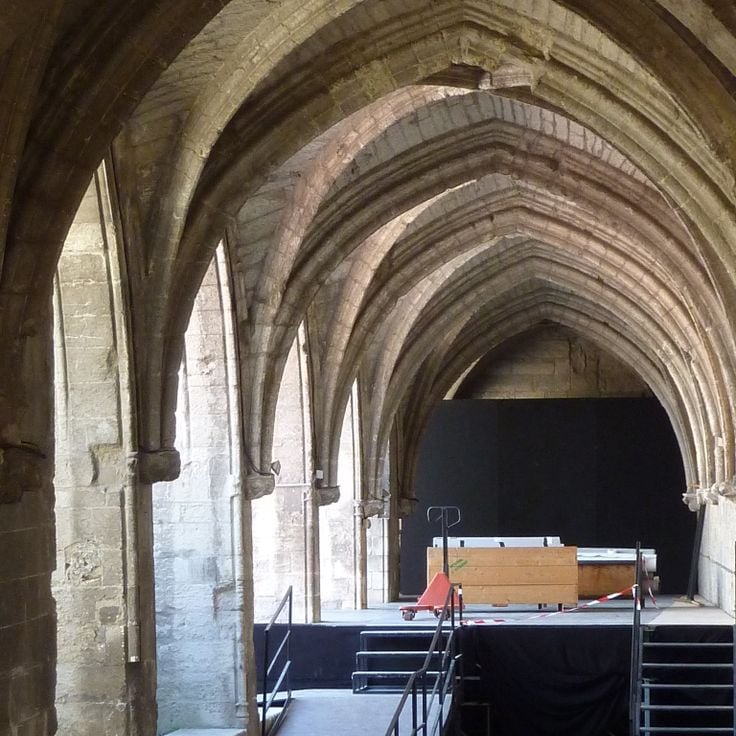
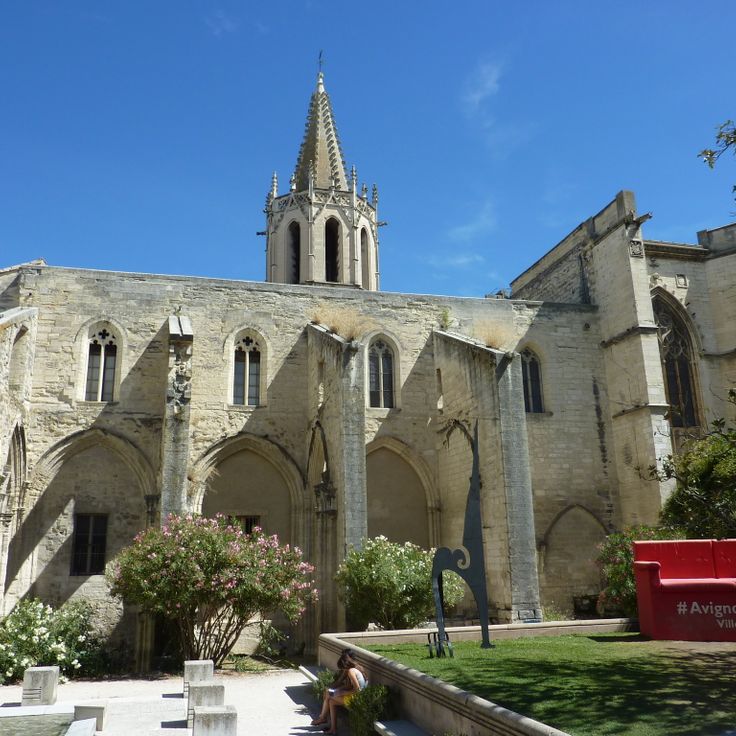
The Cloître des Carmes is a medieval cloister with Gothic arches and a garden that served as a religious center for the Carmelites. For photographers seeking historical subjects in Avignon, this location offers interesting architectural details and quiet corners for documentation.
The Palais des Papes is the main subject for photographers visiting this collection of historical locations in Avignon. This medieval palace impresses with its massive stone façade and gothic windows. The architecture dates to the 14th century and shows the power of the Church during that era. Visitors can photograph ceremonial halls and private chambers that have been preserved to this day.
The Pont Saint-Bénézet is a medieval stone bridge from the 12th century that crosses the Rhône river. For photographers seeking the best photography locations in Avignon, this bridge offers compelling subjects with four of its original 22 arches remaining. The structure reflects in the water below, revealing the craftsmanship of the medieval period. Its incomplete form tells the story of centuries past, making it one of the city's most recognizable monuments.
The Rocher des Doms is a natural limestone rock in Avignon that rises above the city and the Rhône river. With its public garden and viewpoints, this location offers photographers excellent opportunities to capture the historic old town, the Papal Palace, and the famous Saint-Bénézet bridge. Its elevated position makes it a key spot in this collection of photography locations in southeastern France.
Place du Palais is the central square in front of the Papal Palace, offering open space with restaurants and shops housed in historic buildings. For photographers documenting Avignon's history, this square serves as a key location to capture both the city's architecture and its daily life.
This island is an excellent spot for photography in Avignon. The Île de la Barthelasse sits between two branches of the Rhône River and offers walking paths, farmland, and open green spaces. Photographers can capture natural settings and the river landscape.
This medieval street in Avignon displays four historic water wheels along the Vaucluse canal that once powered textile factories. The Rue des Teinturiers offers photography subjects with its old architecture and functioning water wheels that reveal the city's craftwork heritage.
The Musée du Petit Palais serves as an excellent location for photographers documenting Avignon's artistic heritage. This museum occupies a 14th-century cardinal palace and displays Italian paintings spanning the 13th to 15th centuries. The building's medieval architecture and the works within offer compelling subjects for photography, connecting visitors to the city's rich cultural past.
The Cathédrale Notre-Dame des Doms in Avignon is a place where photographers can capture Romanesque architecture and religious artworks. The cathedral features a 6-meter-tall Virgin Mary statue on its tower and 14th-century frescoes inside. This building fits naturally into the collection of photography locations in Avignon, where architecture tells centuries of history.
Les Halles d'Avignon is a covered market in this southeastern French city and provides photographers with a vibrant location to capture regional food traditions. The market houses around 40 stalls with butchers, bakers, and vegetable vendors selling their wares daily. The lighting beneath the roof and the colorful displays of the merchants create opportunities for documentary photography and close-up shots.
Fort Saint-André is a photography location in Villeneuve-lès-Avignon for photographers interested in historical structures. This 14th century fortress stands on Mont Andaon and offers views over the Rhône valley. From this vantage point, photographers can capture medieval architecture and the surrounding landscape of the region.
Tour Philippe-le-Bel in Villeneuve-lès-Avignon is a gate tower built in 1293 that once controlled access to the Saint-Bénézet bridge. It marked the boundary between the French kingdom and the Papal territories. For photographers exploring Avignon's historical subjects, this tower presents medieval stonework and structural details worth capturing.
The Place de l'Horloge is a central square in Avignon offering photographic subjects for photographers. The city hall from the 19th century shapes the character of the square, and a two-story carousel adds a playful element. The architecture and daily life make this location a worthwhile destination for photographic exploration in this southeastern French city.
This museum is housed in a 19th century villa and offers photographers subjects for capturing historical interiors and collections. The Musée Louis Vouland displays furniture and artworks from Provence, providing numerous opportunities for detailed shots and compositions. The building itself, with its rooms and decorative elements, presents scenes that reflect the history and culture of the region.
The Collégiale Saint-Didier is a 14th-century church and an important photography subject in Avignon. It features a stone altarpiece and medieval stained glass windows that offer visual interest under different lighting conditions. The church displays the religious architecture of the period and fits naturally into a photographic exploration of the city's historical treasures.
The Pont du Gard is a 1st century Roman aqueduct that offers compelling subjects for photographers drawn to ancient engineering. Its three tiers of stone arches spanning the Gardon River create striking compositions and reveal the technical mastery of Roman builders. Located near Avignon, this structure adds to the collection of historical photography locations throughout the region.
The Calvet Museum is an art museum housed in a city palace that offers interesting subjects for photographers. The collections span from the Middle Ages to the 20th century, showing artistic development across different periods. The building itself is a fine example of Avignon's architecture with appealing details to capture on camera. It sits in the historical city where the Papal Palace and the Saint-Bénézet bridge also stand.
The Collection Lambert is a museum in Avignon dedicated to modern and contemporary art. For photographers seeking subjects in this city known for medieval history, this museum offers a different perspective with its galleries and artworks. The collection comes from the private gathering of gallerist Yvon Lambert and displays works representing various artistic movements of the modern and contemporary periods. Here, visitors can see how artists have responded to their times and how creative expression has evolved over decades.
The Médiathèque Ceccano is a library housed in a 14th-century Gothic palace and offers photographers a location with Gothic architecture, painted ceilings, and original stone carvings. As one of Avignon's historical subjects for photographers, this building sits alongside the Papal Palace and other medieval structures.
The Chartreuse of Villeneuve-lez-Avignon is a 14th-century monastery complex and a rewarding subject for photographers exploring medieval architecture in southeastern France. The site features three cloisters, forty cells, and a system of gardens that reflect monastic life. The ruins and preserved structures provide varied perspectives for capturing the religious heritage of the region.
The Palais du Roure is a Renaissance city palace in Avignon and offers photographers compelling subjects for images. This palace houses a collection of Provençal artworks, furniture and traditional crafts that reflect the region's heritage. The architecture and valuable interiors make this location a rich source for historical photography in southeastern France.
This street in central Avignon offers photographers a variety of subjects. Rue Joseph Vernet captures the modern rhythm of the city with international fashion stores, art galleries, and local shops. The street bridges different periods and is a good spot to photograph daily life in Avignon. It complements other historical sites in the city like the Papal Palace and the Saint-Bénézet bridge.
L'Opéra Grand Avignon is an important subject for photographers capturing the historical landmarks of this southeastern French city. Built in 1847, the theater showcases classical architecture and offers striking photographic opportunities. It seats approximately 1250 people and forms part of the city's architectural heritage that draws photographers to Avignon.
The Hôtel de Ville is a 19th century administrative building with a classical facade that serves as the seat of Avignon's city administration. For photographers exploring this southeastern French city's historical subjects, it represents the architectural heritage alongside medieval landmarks like the Papal Palace and the Saint-Bénézet bridge.
This neoclassical temple in Avignon now serves as an exhibition space for contemporary art and cultural events. As a photographer, you will find elegant architectural details and interesting lighting conditions that change throughout the day. The building offers a modern perspective on the historic city and shows how old structures take on new purposes.
The Théâtre du Chêne Noir presents contemporary productions in a historic building with black wood paneling. It offers photographers a chance to capture the contrast between modern theatrical life and historical architecture, fitting perfectly into Avignon's collection of photography locations that spans from medieval palaces to distinctive corners of the city.
The Hôtel des Monnaies is a 17th-century building in Avignon that now houses a music conservatory in what were once the premises of the royal mint. For photographers documenting Avignon's historical subjects, this building offers an intriguing mix of classical architecture and cultural life. Its facade reflects the design principles of its era, and the site connects to Avignon's broader story as a city filled with historical structures like the Papal Palace and the Saint-Bénézet bridge.
The Maison Jean Vilar documents the history of the Avignon Theater Festival through costumes, documents, and personal items of Jean Vilar. This place offers photographers a chance to capture the artistic heritage of the city and its cultural legacy.
The Square Agricol Perdiguier is a public plaza in Avignon that offers photographers excellent opportunities to capture the city's historical character. Plane trees line the square, providing natural framing and shade, while benches invite visitors to rest. A statue of writer Agricol Perdiguier serves as a focal point, making this location ideal for documenting Avignon's cultural heritage through the lens.
The Musée Lapidaire houses ancient objects from Greek, Roman and Etruscan cultures within a former Jesuit chapel in Avignon. For photographers, this museum offers compelling subjects to document the city's historical richness. The building's architecture and the displayed artifacts provide varied photographic perspectives and the chance to capture the layers of Avignon's past.
The Remparts d'Avignon are an excellent subject for photographers exploring this collection. These 14th century fortifications encircle the city with gates and towers that stand as evidence of medieval defense. They create a distinctive frame for capturing the historical architecture and offer perspectives across the city and the Rhône River.
The Église Saint-Symphorien on Île de la Barthelasse is a religious building standing on France's largest river island. Built in the 17th century, this church offers photographers a subject for documenting religious architecture in Avignon. The church sits within the natural landscape of the island, allowing photographers to capture both the building and its surroundings.
The Cloître des Carmes is a medieval cloister with Gothic arches and a garden that served as a religious center for the Carmelites. For photographers seeking historical subjects in Avignon, this location offers interesting architectural details and quiet corners for documentation.
The Palais des Papes is the main subject for photographers visiting this collection of historical locations in Avignon. This medieval palace impresses with its massive stone façade and gothic windows. The architecture dates to the 14th century and shows the power of the Church during that era. Visitors can photograph ceremonial halls and private chambers that have been preserved to this day.
The Pont Saint-Bénézet is a medieval stone bridge from the 12th century that crosses the Rhône river. For photographers seeking the best photography locations in Avignon, this bridge offers compelling subjects with four of its original 22 arches remaining. The structure reflects in the water below, revealing the craftsmanship of the medieval period. Its incomplete form tells the story of centuries past, making it one of the city's most recognizable monuments.
The Rocher des Doms is a natural limestone rock in Avignon that rises above the city and the Rhône river. With its public garden and viewpoints, this location offers photographers excellent opportunities to capture the historic old town, the Papal Palace, and the famous Saint-Bénézet bridge. Its elevated position makes it a key spot in this collection of photography locations in southeastern France.
Place du Palais is the central square in front of the Papal Palace, offering open space with restaurants and shops housed in historic buildings. For photographers documenting Avignon's history, this square serves as a key location to capture both the city's architecture and its daily life.
This island is an excellent spot for photography in Avignon. The Île de la Barthelasse sits between two branches of the Rhône River and offers walking paths, farmland, and open green spaces. Photographers can capture natural settings and the river landscape.
This medieval street in Avignon displays four historic water wheels along the Vaucluse canal that once powered textile factories. The Rue des Teinturiers offers photography subjects with its old architecture and functioning water wheels that reveal the city's craftwork heritage.
The Musée du Petit Palais serves as an excellent location for photographers documenting Avignon's artistic heritage. This museum occupies a 14th-century cardinal palace and displays Italian paintings spanning the 13th to 15th centuries. The building's medieval architecture and the works within offer compelling subjects for photography, connecting visitors to the city's rich cultural past.
The Cathédrale Notre-Dame des Doms in Avignon is a place where photographers can capture Romanesque architecture and religious artworks. The cathedral features a 6-meter-tall Virgin Mary statue on its tower and 14th-century frescoes inside. This building fits naturally into the collection of photography locations in Avignon, where architecture tells centuries of history.
Les Halles d'Avignon is a covered market in this southeastern French city and provides photographers with a vibrant location to capture regional food traditions. The market houses around 40 stalls with butchers, bakers, and vegetable vendors selling their wares daily. The lighting beneath the roof and the colorful displays of the merchants create opportunities for documentary photography and close-up shots.
Fort Saint-André is a photography location in Villeneuve-lès-Avignon for photographers interested in historical structures. This 14th century fortress stands on Mont Andaon and offers views over the Rhône valley. From this vantage point, photographers can capture medieval architecture and the surrounding landscape of the region.
Tour Philippe-le-Bel in Villeneuve-lès-Avignon is a gate tower built in 1293 that once controlled access to the Saint-Bénézet bridge. It marked the boundary between the French kingdom and the Papal territories. For photographers exploring Avignon's historical subjects, this tower presents medieval stonework and structural details worth capturing.
The Place de l'Horloge is a central square in Avignon offering photographic subjects for photographers. The city hall from the 19th century shapes the character of the square, and a two-story carousel adds a playful element. The architecture and daily life make this location a worthwhile destination for photographic exploration in this southeastern French city.
This museum is housed in a 19th century villa and offers photographers subjects for capturing historical interiors and collections. The Musée Louis Vouland displays furniture and artworks from Provence, providing numerous opportunities for detailed shots and compositions. The building itself, with its rooms and decorative elements, presents scenes that reflect the history and culture of the region.
The Collégiale Saint-Didier is a 14th-century church and an important photography subject in Avignon. It features a stone altarpiece and medieval stained glass windows that offer visual interest under different lighting conditions. The church displays the religious architecture of the period and fits naturally into a photographic exploration of the city's historical treasures.
The Pont du Gard is a 1st century Roman aqueduct that offers compelling subjects for photographers drawn to ancient engineering. Its three tiers of stone arches spanning the Gardon River create striking compositions and reveal the technical mastery of Roman builders. Located near Avignon, this structure adds to the collection of historical photography locations throughout the region.
The Calvet Museum is an art museum housed in a city palace that offers interesting subjects for photographers. The collections span from the Middle Ages to the 20th century, showing artistic development across different periods. The building itself is a fine example of Avignon's architecture with appealing details to capture on camera. It sits in the historical city where the Papal Palace and the Saint-Bénézet bridge also stand.
The Collection Lambert is a museum in Avignon dedicated to modern and contemporary art. For photographers seeking subjects in this city known for medieval history, this museum offers a different perspective with its galleries and artworks. The collection comes from the private gathering of gallerist Yvon Lambert and displays works representing various artistic movements of the modern and contemporary periods. Here, visitors can see how artists have responded to their times and how creative expression has evolved over decades.
The Médiathèque Ceccano is a library housed in a 14th-century Gothic palace and offers photographers a location with Gothic architecture, painted ceilings, and original stone carvings. As one of Avignon's historical subjects for photographers, this building sits alongside the Papal Palace and other medieval structures.
The Chartreuse of Villeneuve-lez-Avignon is a 14th-century monastery complex and a rewarding subject for photographers exploring medieval architecture in southeastern France. The site features three cloisters, forty cells, and a system of gardens that reflect monastic life. The ruins and preserved structures provide varied perspectives for capturing the religious heritage of the region.
The Palais du Roure is a Renaissance city palace in Avignon and offers photographers compelling subjects for images. This palace houses a collection of Provençal artworks, furniture and traditional crafts that reflect the region's heritage. The architecture and valuable interiors make this location a rich source for historical photography in southeastern France.
This street in central Avignon offers photographers a variety of subjects. Rue Joseph Vernet captures the modern rhythm of the city with international fashion stores, art galleries, and local shops. The street bridges different periods and is a good spot to photograph daily life in Avignon. It complements other historical sites in the city like the Papal Palace and the Saint-Bénézet bridge.
L'Opéra Grand Avignon is an important subject for photographers capturing the historical landmarks of this southeastern French city. Built in 1847, the theater showcases classical architecture and offers striking photographic opportunities. It seats approximately 1250 people and forms part of the city's architectural heritage that draws photographers to Avignon.
The Hôtel de Ville is a 19th century administrative building with a classical facade that serves as the seat of Avignon's city administration. For photographers exploring this southeastern French city's historical subjects, it represents the architectural heritage alongside medieval landmarks like the Papal Palace and the Saint-Bénézet bridge.
This neoclassical temple in Avignon now serves as an exhibition space for contemporary art and cultural events. As a photographer, you will find elegant architectural details and interesting lighting conditions that change throughout the day. The building offers a modern perspective on the historic city and shows how old structures take on new purposes.
The Théâtre du Chêne Noir presents contemporary productions in a historic building with black wood paneling. It offers photographers a chance to capture the contrast between modern theatrical life and historical architecture, fitting perfectly into Avignon's collection of photography locations that spans from medieval palaces to distinctive corners of the city.
The Hôtel des Monnaies is a 17th-century building in Avignon that now houses a music conservatory in what were once the premises of the royal mint. For photographers documenting Avignon's historical subjects, this building offers an intriguing mix of classical architecture and cultural life. Its facade reflects the design principles of its era, and the site connects to Avignon's broader story as a city filled with historical structures like the Papal Palace and the Saint-Bénézet bridge.
The Maison Jean Vilar documents the history of the Avignon Theater Festival through costumes, documents, and personal items of Jean Vilar. This place offers photographers a chance to capture the artistic heritage of the city and its cultural legacy.
The Square Agricol Perdiguier is a public plaza in Avignon that offers photographers excellent opportunities to capture the city's historical character. Plane trees line the square, providing natural framing and shade, while benches invite visitors to rest. A statue of writer Agricol Perdiguier serves as a focal point, making this location ideal for documenting Avignon's cultural heritage through the lens.
The Musée Lapidaire houses ancient objects from Greek, Roman and Etruscan cultures within a former Jesuit chapel in Avignon. For photographers, this museum offers compelling subjects to document the city's historical richness. The building's architecture and the displayed artifacts provide varied photographic perspectives and the chance to capture the layers of Avignon's past.
The Remparts d'Avignon are an excellent subject for photographers exploring this collection. These 14th century fortifications encircle the city with gates and towers that stand as evidence of medieval defense. They create a distinctive frame for capturing the historical architecture and offer perspectives across the city and the Rhône River.
The Église Saint-Symphorien on Île de la Barthelasse is a religious building standing on France's largest river island. Built in the 17th century, this church offers photographers a subject for documenting religious architecture in Avignon. The church sits within the natural landscape of the island, allowing photographers to capture both the building and its surroundings.
The Cloître des Carmes is a medieval cloister with Gothic arches and a garden that served as a religious center for the Carmelites. For photographers seeking historical subjects in Avignon, this location offers interesting architectural details and quiet corners for documentation.