Moho petroglyph, sculpture française
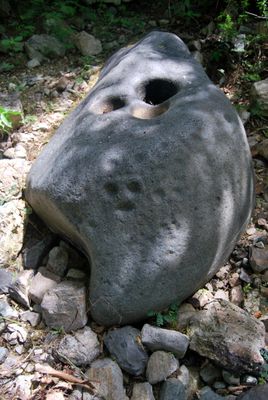
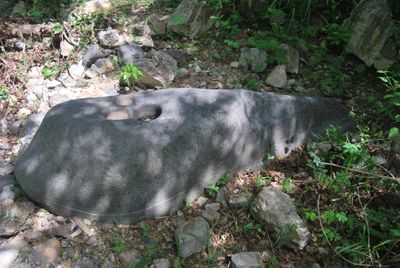
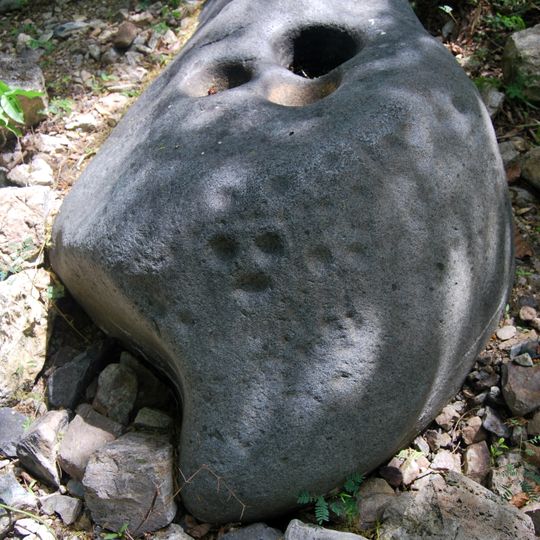
Moho petroglyph is a carved rock near Marigot in Saint-Martin that displays artwork by early island inhabitants. The dark volcanic stone measures about 2.5 meters (8 feet) long and one meter (3 feet) wide, and features roughly eighty small cupules alongside engraved faces and patterns on its surface.
The carvings were created during the pre-Columbian era, centuries before European sailors reached the Caribbean. The Arawaks and Caribs who lived on the island at that time left behind these traces of their culture and beliefs.
The name Moho refers to the area near a small well where native tribes gathered water and held ceremonies. Today, visitors can observe the carved faces and abstract patterns that may have carried spiritual meanings or told stories.
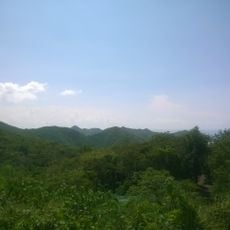
The rock sits along a narrow trail in a green valley called Ravine Paradis, accessible on foot from Marigot. The surroundings are quiet and suitable for a gentle walk, allowing close observation of the carvings.
At the top of the stone, three deeper holes with round and conical shapes may have served as grinding surfaces. Archaeologists believe these depressions were used for polishing tools or preparing certain materials.
The community of curious travelers
AroundUs brings together thousands of curated places, local tips, and hidden gems, enriched daily by 91,548 contributors worldwide.