Iosepa, ghost town in Tooele County, Utah, United States
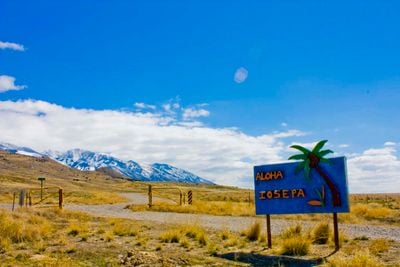
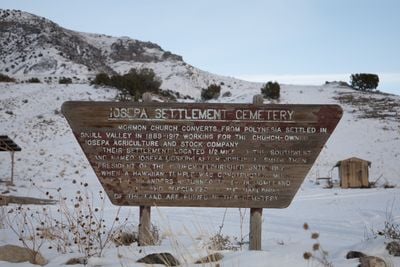
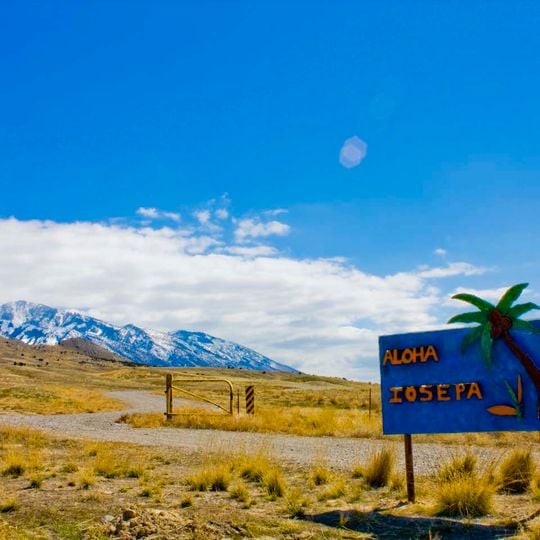
Iosepa is a ghost town in Skull Valley, Tooele County, Utah, settled by Polynesian Latter-day Saints from 1889 to 1917. What remains is a cemetery enclosed by a chain-link fence, a few building foundations, and fire hydrants standing in the sagebrush. A wooden sign at the site reads "Iosepa Settlement Cemetery" and notes the settlement lay half a mile to the southwest.
In 1889, three Hawaiian converts and three returned missionaries chose a 1,920-acre site in Skull Valley for a church-owned colony, the Iosepa Agriculture and Stock Company. The first 46 settlers arrived on August 28, 1889, and drew lots for land. The population peaked at 228 in 1915, but after the 1915 announcement of a temple at Lā'ie, Hawaii, most residents left; by January 1917 Iosepa was a ghost town and the land was sold to the Deseret Livestock Company.
The name Iosepa comes from Hawaiian and honors Joseph Smith, the church founder, and Joseph F. Smith, a missionary to Hawaii. The settlement served as a place where Hawaiian Mormons could keep their language and traditions alive while serving their faith community.
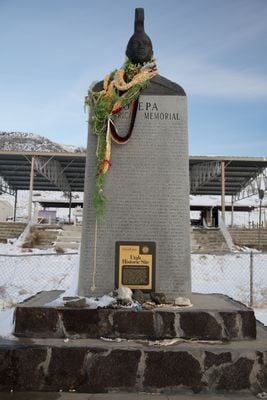
Iosepa lies about 75 miles southwest of Salt Lake City in Skull Valley, reached by automobile; an historical marker at the site gives a brief history. The cemetery is enclosed by a chain-link fence, and little else survives beyond a few building foundations and fire hydrants among the sagebrush. The wide wooden cemetery sign stands in snow in winter.
The town's name is the Hawaiian form of Joseph, chosen for Joseph F. Smith and his uncle Joseph Smith. Iosepa also won Utah's 1911 prize for the "best kept and most progressive city in the state."
The community of curious travelers
AroundUs brings together thousands of curated places, local tips, and hidden gems, enriched daily by 93,149 contributors worldwide.