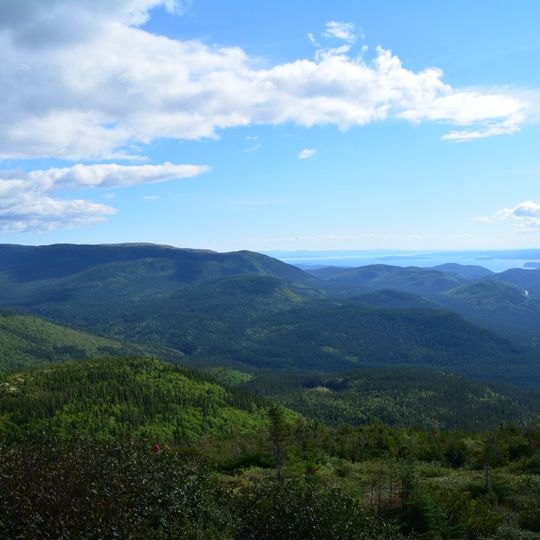
Uapishka Biodiversity Reserve, biodiversity reserve of Quebec (Canada)
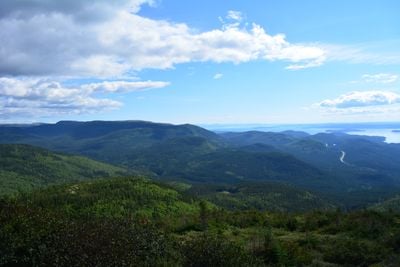
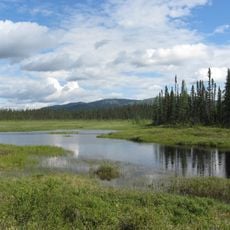
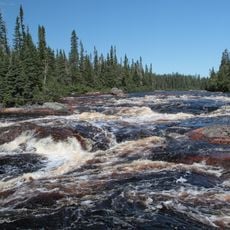
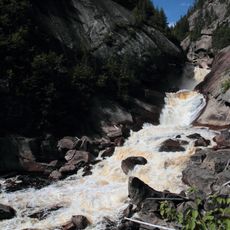
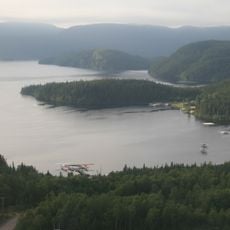
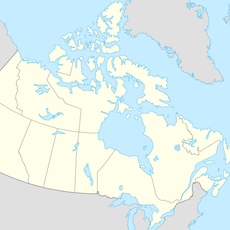
The Uapishka Biodiversity Reserve is a large protected area in Quebec's Côte-Nord region covering over 138,000 hectares. It features high rocky peaks often covered in snow, surrounded by old spruce and fir forests, with alpine plant communities and heath vegetation appearing at higher elevations.
The landscape was shaped millions of years ago during the Precambrian era and contains some of Earth's oldest rocks. Innu communities have used these lands for thousands of years for hunting, fishing, and ceremonial practices, with archaeological sites revealing ancient camps and burial locations.
The name Uapishka comes from the Innu language and means "always snowy rocky peaks". The land holds deep significance for Innu communities who have maintained hunting, fishing, and cultural traditions here for generations.
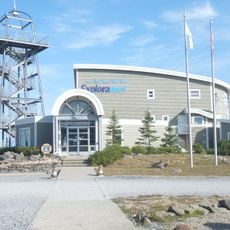
Access is mainly by road from nearby towns such as Baie-Comeau or Fermont through the Uapishka Station, which offers lodging and interpretation center services. Visitors should plan ahead and book in advance since services are limited and the area is designed for small groups seeking to explore nature.
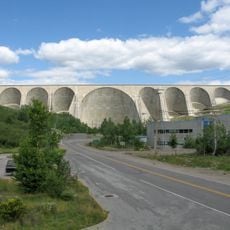
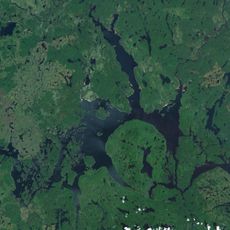
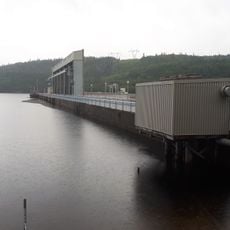
The region contains the Manicouagan impact crater, known as the "Eye of Quebec", created millions of years ago by a meteorite strike and visible from space. When a dam was built, the crater flooded and an island emerged at its center, creating a striking scenic formation.
The community of curious travelers
AroundUs brings together thousands of curated places, local tips, and hidden gems, enriched daily by 91,645 contributors worldwide.