Petroglyph National Monument, Rock art national monument in Albuquerque, United States
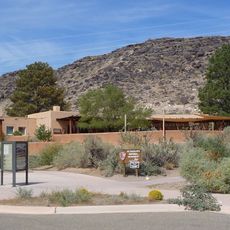
Petroglyph National Monument protects a 17-mile basalt escarpment along Albuquerque's West Mesa, where an estimated 24,000 petroglyphs are pecked into dark volcanic rock. The carvings lie mainly in four accessible canyons — Boca Negra, Rinconada, Piedras Marcadas and the Volcano Day Use trails — and show animals, people, hands, feet, spirals, stars, brands and crosses. A desert varnish of oxidized manganese and iron gives the rock its near-black surface, which contrasts with the lighter tan patches where the outer layer has flaked away.
Petroglyph National Monument was authorized on June 27, 1990, covering 7,236 acres along Albuquerque's West Mesa. Archaeologists date some carvings in Boca Negra Canyon to about 3,000 years ago, while roughly 90 percent were made between AD 1300 and the late 17th century. Spanish settlers added carvings in the 17th and 18th centuries, and white American settlers in the 19th.
About 90 percent of the carvings were made between AD 1300 and 1600 by Ancestral Pueblo peoples, first by direct percussion and later with hammer-and-chisel stones; Spanish settlers added marks in the 17th and 18th centuries. Pueblo people today say the images carry ritual meanings only partly shared with outsiders.
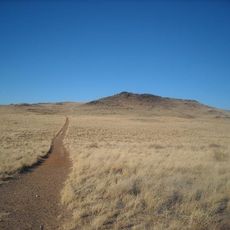
The monument has several walking trails of different lengths through the various canyon areas that you can explore on your own. Early morning or late afternoon visits work best, as the sun angle makes the rock carvings easier to see.
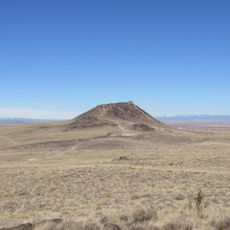
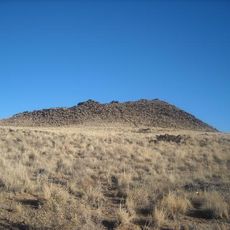
The monument's western boundary holds a chain of dormant fissure volcanoes: Butte, Bond, Vulcan, Black and JA, running north to south. The lava that fed them 200,000 years ago hardened in old arroyos, and erosion later left the basalt ridges standing while softer hills wore away — a reversal of the usual topography.
The community of curious travelers
AroundUs brings together thousands of curated places, local tips, and hidden gems, enriched daily by 94,122 contributors worldwide.