Black Volcano, Extinct volcano in Petroglyph National Monument, Albuquerque, United States
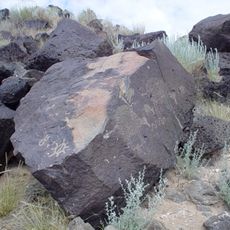
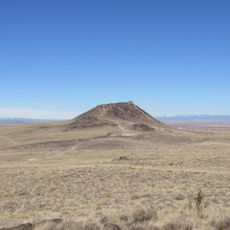
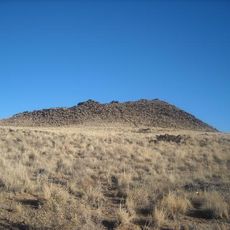
Black Volcano is an extinct volcano in Petroglyph National Monument near Albuquerque with multiple craters and lava flow fields visible across the landscape. The terrain shows the characteristic dark coloring created by basalt rock from past eruptions.
The volcano formed approximately 156,000 years ago and is part of the Albuquerque region's volcanic field system. The basalt rock deposits record the geological history of this area.
The name comes from the dark basalt that covers the ground. The volcano is the second of five vents along the western edge of Petroglyph National Monument, and the fissure that fed JA, Black and Vulcan volcanoes lies along a single line.
Black Volcano sits on the western boundary of Petroglyph National Monument, second in the chain of five volcanoes running south to north from JA Volcano. Trails cross open basalt with little shade, so carry water and wear sturdy shoes. The summit cone was largely removed by cinder mining by 1978, leaving a filled crater.
The northern part of the cone holds xenoliths: pieces of surrounding rock caught up in the eruption and carried to the surface. These are partially melted sandstone, likely from the Santa Fe Group sediments on which the volcano sits. Look for them in the cone's northern exposure.
The community of curious travelers
AroundUs brings together thousands of curated places, local tips, and hidden gems, enriched daily by 94,459 contributors worldwide.