Boeing/United Airlines Terminal Building, Hangar and Fountain
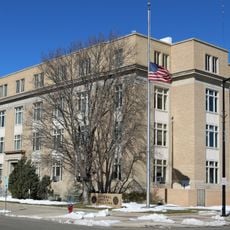
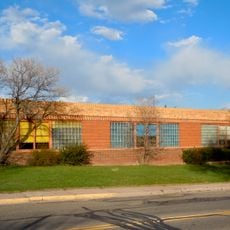
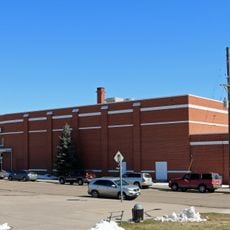
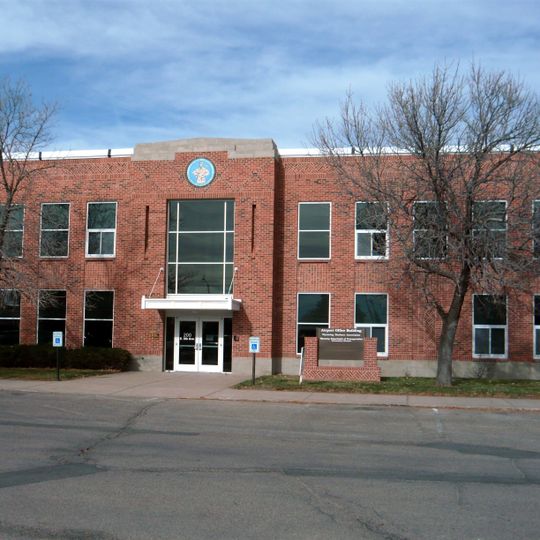
The terminal building, hangar complex, and fountain in Cheyenne are structures built between 1929 and 1934 in the Art Deco style and designed by architect Fredric Porter, Sr. with influences from renowned architect Louis Sullivan. The terminal features geometric shapes and clean lines, while the hangar displays aged metal and brickwork that still shows the craftsmanship of its original construction.
Originally built in 1929, the terminal served as a central hub for Boeing Air Transport and later United Airlines during the 1930s and 1940s, making Cheyenne a key center for aircraft maintenance, pilot training, and aviation research. The facility played a wartime role in assembling and modifying military aircraft, but declining demand following advances in aviation technology gradually reduced its importance after the 1950s.
These structures represent a time when Cheyenne held a central role in American aviation and the city earned the nickname 'Air Capital of the West' among travelers and pilots. The buildings themselves reflect the pride and ambition of an era when air travel was transforming how people connected across the country.
The structures are easy to walk around, and visitors can view the architectural details from multiple angles and distances. The area is quiet and free of traffic, making it possible to explore at your own pace and capture photos from different vantage points.
During World War II, roughly 5,000 B-17 bombers were assembled and completed at this facility, with some modified for special reconnaissance missions including the famous 1942 Doolittle Raid. This direct link to one of the war's most celebrated aviation operations is a detail many visitors overlook when walking the grounds.
The community of curious travelers
AroundUs brings together thousands of curated places, local tips, and hidden gems, enriched daily by 92,036 contributors worldwide.