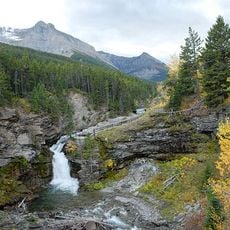
Porcupine Hills Formation, Geological formation in southwestern Alberta, Canada
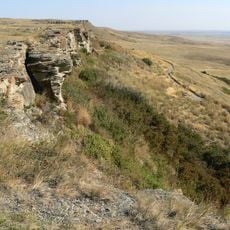
The Porcupine Hills Formation is a geological sequence in southwestern Alberta that stretches between the Waterton River and the Bow River near Calgary. These rock layers consist of sandstone and mudstone and provide a record of ancient river systems and sediment deposition processes.
George Mercer Dawson first documented this formation in 1883 and identified its characteristic sedimentary layers. These deposits formed during the Paleocene period about 65 million years ago and reveal geological processes from that early post-Cretaceous time.
The formation provides researchers and geologists extensive opportunities to study ancient river systems and climate patterns through preserved sedimentary structures.
The formation is accessible via established roads leading to several geological study sites throughout the region. The best time to visit is from April through November, as winter conditions limit accessibility from December through March.
The deposits contain well-preserved remains of freshwater molluscs from the Paleocene, offering insights into the water-rich landscapes of early Alberta. These fossils of shells and snails provide evidence of stable water systems that flowed through the region millions of years ago.
The community of curious travelers
AroundUs brings together thousands of curated places, local tips, and hidden gems, enriched daily by 91,665 contributors worldwide.