Sulphur Mountain Formation, Geological formation in Alberta and British Columbia, Canada
The Sulphur Mountain Formation is a rock layer made of grey to rusty brown dolomitic siltstone that runs through the Rocky Mountain Foothills. The layer extends from the US border all the way through Alberta and into northeastern British Columbia.
The formation dates back to the Early Triassic period, between 251 and 245 million years ago, right after a massive extinction of marine life. This rock layer captured the beginning of ocean recovery as new species started to repopulate the seas.
This geological formation attracts paleontologists studying how marine life recovered after a major extinction event. Fossils of ancient reptiles and fish found here tell the story of ocean ecosystems bouncing back.
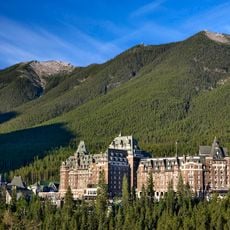
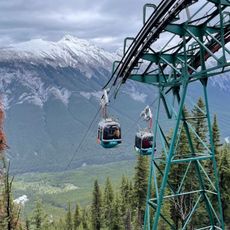
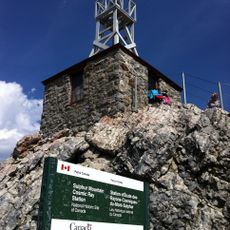
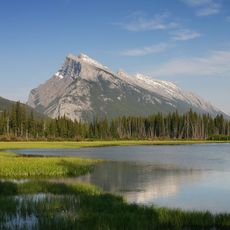
The clearest examples of this rock layer are visible in Spray River Gorge at Sulphur Mountain within Banff National Park. The terrain and rock features vary across different locations, so what you see in one spot may differ from another area.
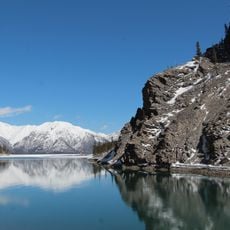
The best-known example of this rock layer is found in a dramatic gorge where river erosion has exposed the stone layers over millions of years. The different colors and textures in the exposed rock make it easy to spot the separate layers just by looking.
The community of curious travelers
AroundUs brings together thousands of curated places, local tips, and hidden gems, enriched daily by 90,797 contributors worldwide.