Blackfoot Crossing, National historic site in Siksika 146, Canada.
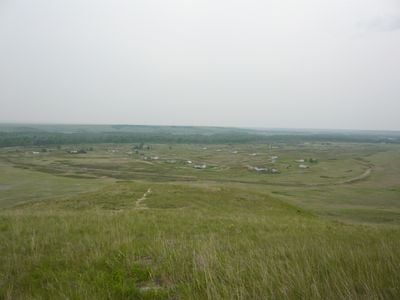
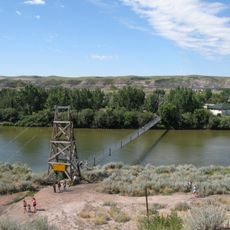
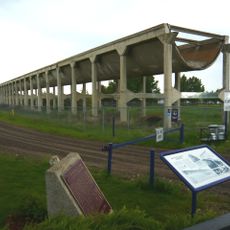
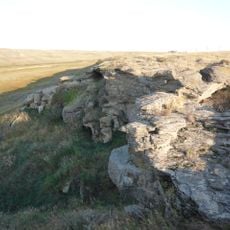
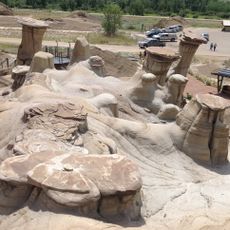
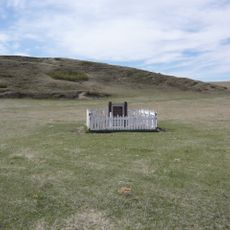
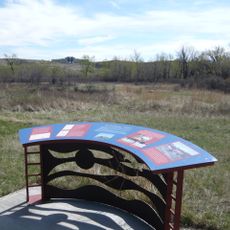
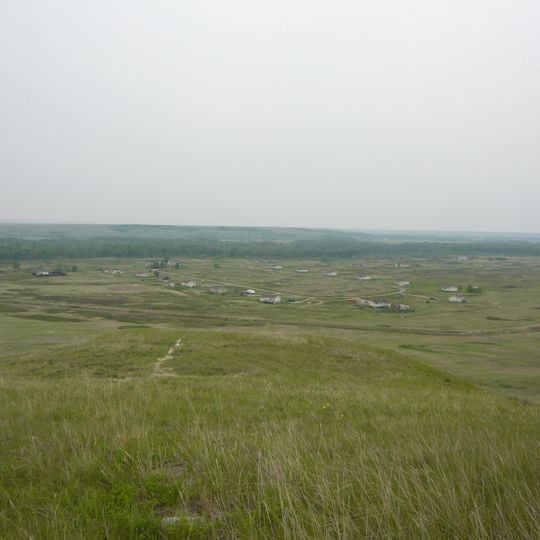
Blackfoot Crossing is a national historic site on a wide floodplain in the Bow River valley, featuring the remains of ancient villages and ceremonial spaces. An interpretive center houses exhibits about the archaeological discoveries and explains what can be seen across the landscape.
This location became historically significant in 1877 when representatives of five Indigenous nations signed Treaty No. 7 with Crown officials. The site had been occupied and used for settlement for hundreds of years before this important agreement took place.
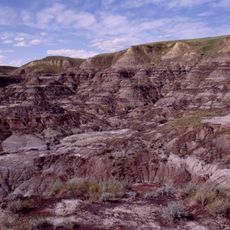
This place holds deep meaning for the Blackfoot nations and reflects how communities used the land for hunting, ceremonies, and daily life. Walking through the grounds, you can see the physical traces of where people gathered for important spiritual and practical activities.
The interpretive center is the starting point to understand the site, and marked trails guide you through the archaeological areas on foot. The open landscape offers little shade, so plan for sunny conditions and bring water if you visit during warm months.
The site holds the only known permanent earthlodge village on the Canadian Prairies, dating back around 1740. This rare construction style tells a story about how people adapted to life on the grasslands in ways often overlooked in larger history accounts.
The community of curious travelers
AroundUs brings together thousands of curated places, local tips, and hidden gems, enriched daily by 91,008 contributors worldwide.