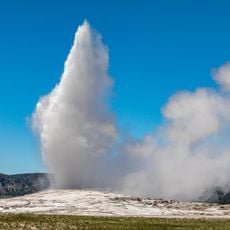
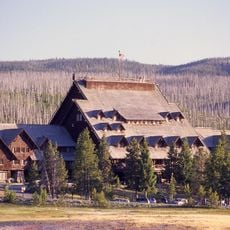
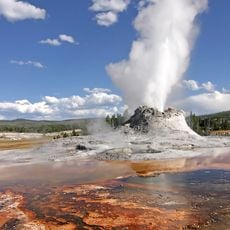
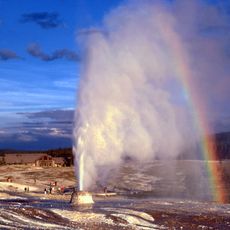
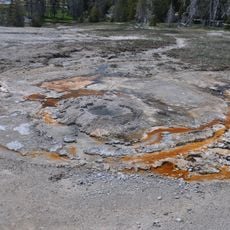
Upper Geyser Basin, Geyser field in Yellowstone National Park, Wyoming, US.
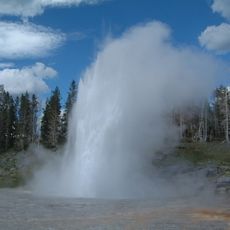
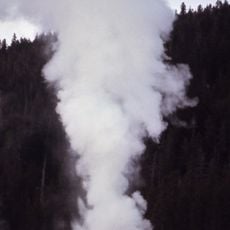
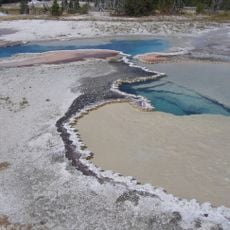
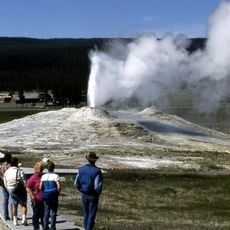
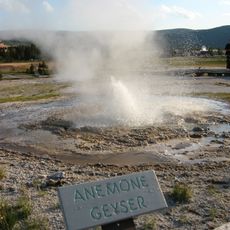
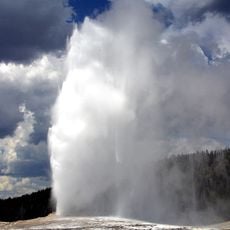
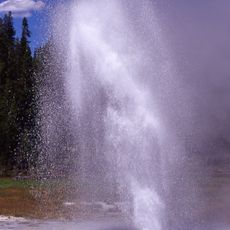
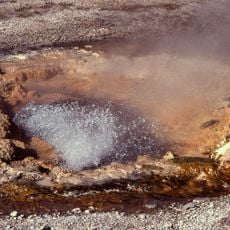
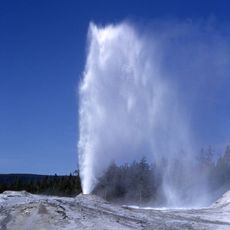
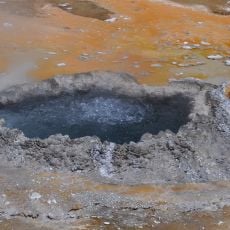
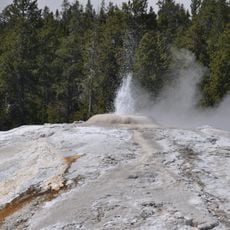
Upper Geyser Basin is a geothermal field in Yellowstone with more than 250 active geysers concentrated in a small area. The landscape features erupting hot springs, steaming vents, and colorful mineral deposits that blanket the ground in shades of white, orange, and yellow.
John Colter, who left the Lewis and Clark Expedition, is the first white man known to have entered the caldera and seen its thermal features, which he called "hot spring brimstone". In 1830 trapper Joseph Meek compared the rising steam to smoke from Pittsburgh smokestacks. John Williams Gunnison and Jim Bridger reported in 1852 that natives were gathering minerals from the geothermal areas for vermilion paint.
Native peoples used the basin's hot water for bathing and cooking and gathered minerals there to make paint. In 1852 John Williams Gunnison and Jim Bridger reported that natives were collecting minerals from geothermal areas as vermilion paint. Father Pierre-Jean De Smet recorded that natives he interviewed described geyser eruptions as combat between infernal spirits.
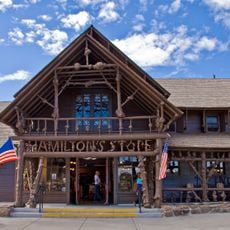
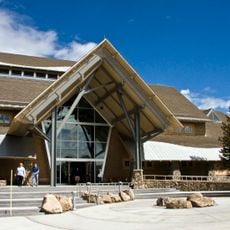
A visitor center on site offers current predictions for the activity of the major geysers. A well-developed trail system with viewing platforms allows visitors to explore the area safely and comfortably.
The basin holds about a quarter of all the world's geysers, among them Old Faithful, Grand, Riverside, Castle, Aurum and Daisy. Its hills are remnants of Pleistocene acidic lava, and moraines from the last ice age store the water that makes eruptions possible.
The community of curious travelers
AroundUs brings together thousands of curated places, local tips, and hidden gems, enriched daily by 94,450 contributors worldwide.