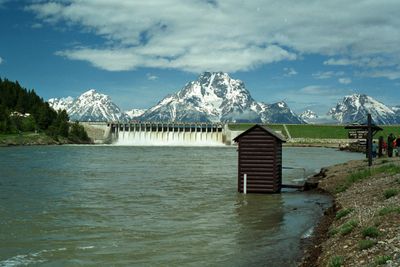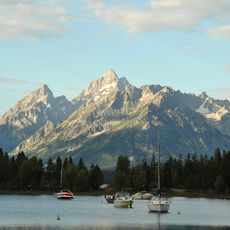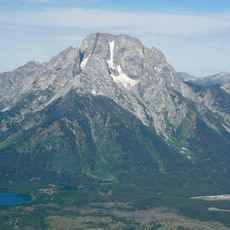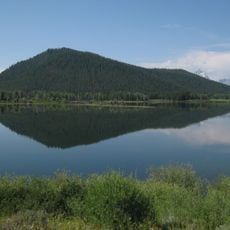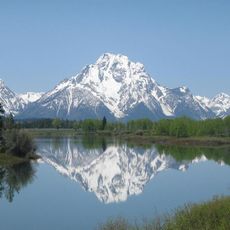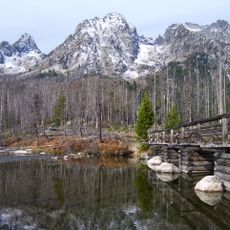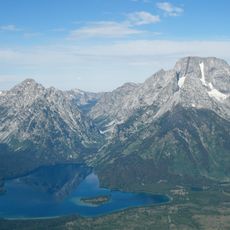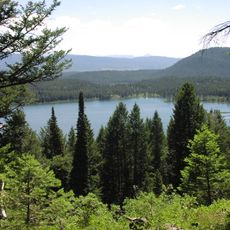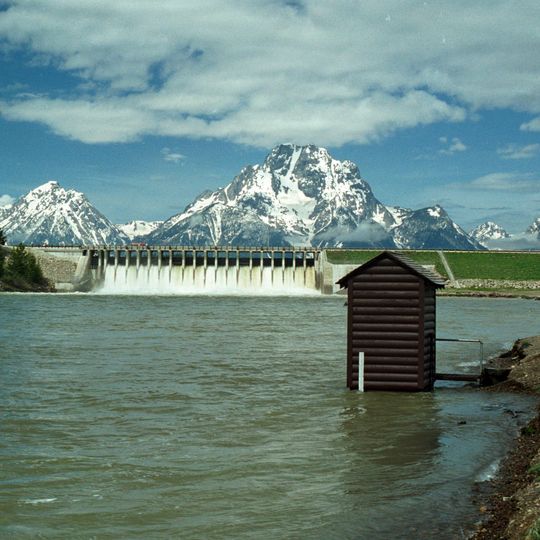
Jackson Lake Dam, Gravity dam in Grand Teton National Park, US.
Jackson Lake Dam is a concrete gravity dam spanning the northern section of Jackson Lake, designed to control water flow into the Snake River. The structure sits at an elevation of approximately 6,760 feet and regulates the lake's water management year-round.
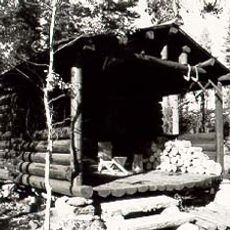
The dam was constructed between 1911 and 1916 by the Bureau of Reclamation, replacing an earlier log structure that collapsed at the natural lake outlet in 1910. This concrete replacement marked a turning point in regional water management infrastructure.
The dam functions as part of the Minidoka Project, supplying essential irrigation water to agricultural lands throughout the Snake River basin in Idaho.
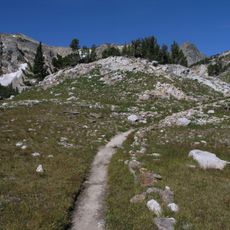
The best time to visit is during warmer months when accessibility is optimal and observation points are easily reached. Parking areas near the dam provide starting points for exploring walking paths and viewing areas along the river.
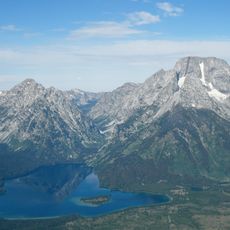
Only the top 33 feet of Jackson Lake's water volume originates from the dam itself, as glacial activity during ice ages naturally formed the deeper portions of the basin. This means the structure manages only a thin layer above a much more ancient natural formation.
The community of curious travelers
AroundUs brings together thousands of curated places, local tips, and hidden gems, enriched daily by 91,940 contributors worldwide.