Madison Museum, Trailside museum in Yellowstone National Park, US.
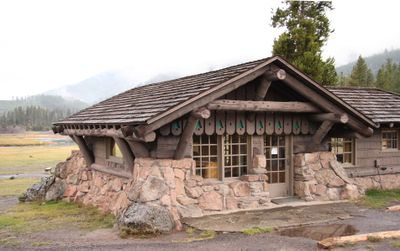
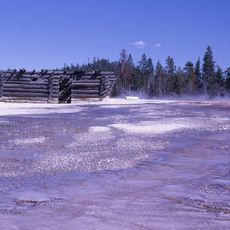
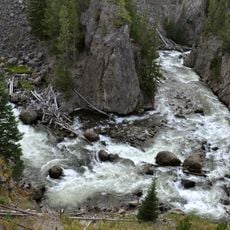
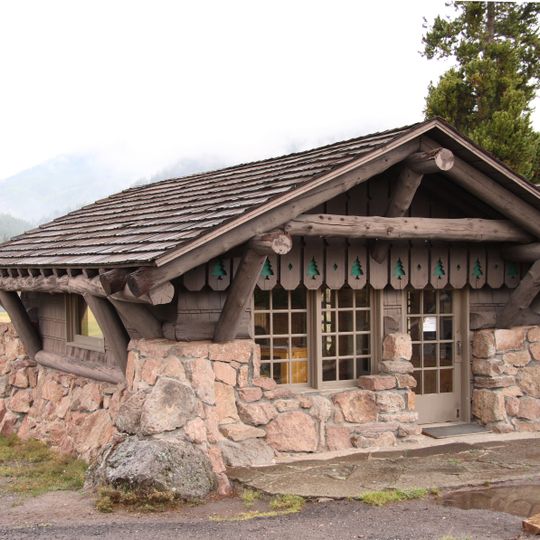
The Madison Museum is a T-shaped trailside museum built in 1929 on a rhyolite rubble base, with frame walls covered in shingles and a roof carried on heavy log columns. A log marks the transition between stone and timber. It stands on a small rise above the meadows and canyon of the Madison River.
The museum was built in 1929 with funding from the Laura Spelman Rockefeller Memorial and initially served as a historical shrine to park creation. Later, scholars questioned the accuracy of those early narratives, leading to a shift in its purpose and function.
The museum's cultural life centres on the "Campfire Myth": Hermon Carey Bumpus claimed the Madison site was where the Washburn Party resolved in 1870 to protect the region, and a south-facing window held a transparency of the imagined scene by photographer Jack Haynes. Annual re-enactments were held until park historian Aubrey Haines showed the story was inaccurate by 1960.
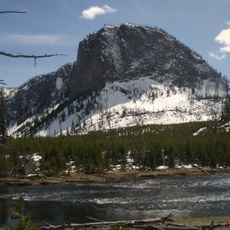
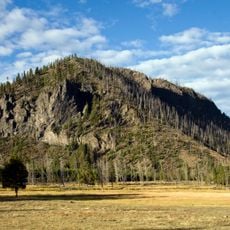
The museum stands on a small rise above the meadows and canyon of the Madison River, at Madison Junction where the Madison meets the Gibbon and Firehole. It still works as an informal interpretive center, so it is a natural first stop for orientation before driving the park roads. The single-room layout after the 1971 renovation makes it quick to walk through.
The Madison site was promoted by museum president Hermon Carey Bumpus as the spot where the 1870 Washburn Party resolved to protect the region, and a south-facing window held a transparency of that imagined scene by photographer Jack Haynes. Park historian Aubrey Haines showed by 1960 that the story was inaccurate; after a twenty-year internal debate the building lost its shrine status.
The community of curious travelers
AroundUs brings together thousands of curated places, local tips, and hidden gems, enriched daily by 94,098 contributors worldwide.