Pictograph Cave, Archaeological caves in Billings, United States.
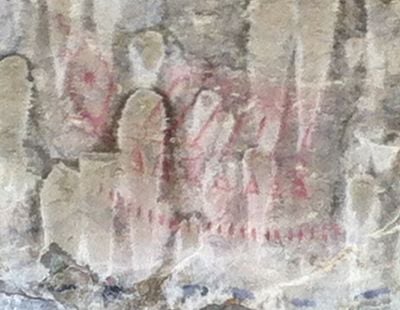
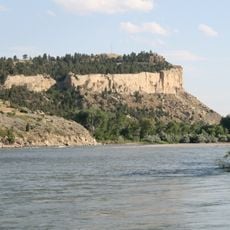
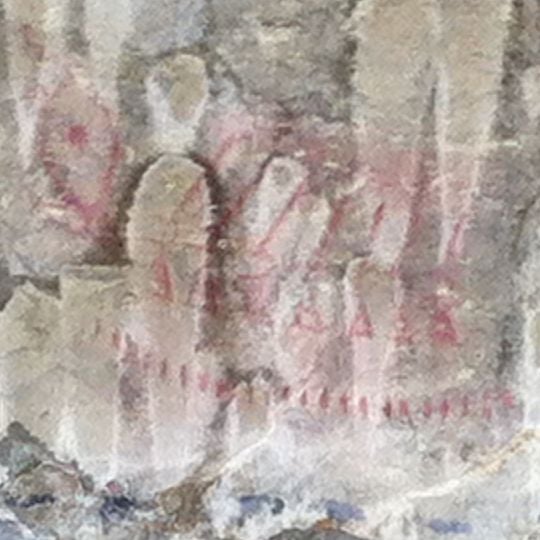
Pictograph Cave is the largest of three sandstone shelters—Pictograph, Middle, and Ghost caves—in a bluff south of Billings, Montana. Its wall holds 106 red, white, and occasionally yellow pictographs painted over older black drawings, including human figures and a horizontal row of small marks.
Excavation of the three caves began in 1937 and produced some of Montana's first professional archaeological studies, led by H. Melville Sayre of the Montana School of Mines and later by William Mulloy. Digging through 1941 yielded over 30,000 artifacts, among them barbed harpoon points of caribou horn and the graves of nine or more individuals. The site was designated a National Historic Landmark on July 19, 1964, and became a state park in 1991.
Pictograph Cave was a gathering place of spiritual power for American Indians long before excavation began in 1937. Its 106 red, white and occasionally yellow figures were painted over older black drawings; the oldest, a turtle, is about 2,100 years old. Pendants, bracelets and beads made from Pacific Coast seashells found in the cave show trade reaching the site.
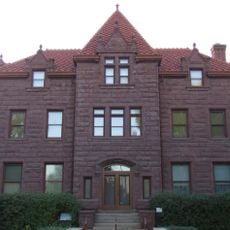
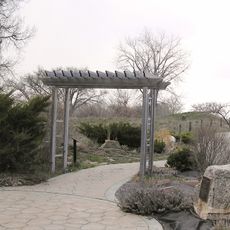
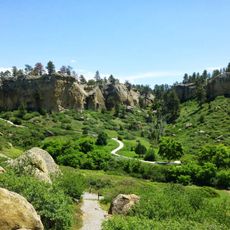
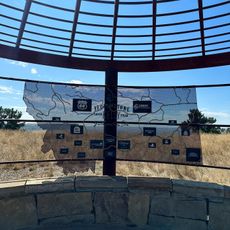
A paved loop trail with interpretive signs guides you through the site, and a visitor center provides information throughout the day. The facilities are accessible, making it easy to explore the caves and surrounding landscape on your own.
The turtle figure is the oldest of the 106 pictographs recorded on the interior wall of Pictograph Cave, painted between roughly 2,145 and 200 years ago. Red, white and occasionally yellow figures were applied over older black drawings. Excavators also recovered shell pendants, bracelets and beads traded from Pacific Coast peoples.
The community of curious travelers
AroundUs brings together thousands of curated places, local tips, and hidden gems, enriched daily by 93,943 contributors worldwide.