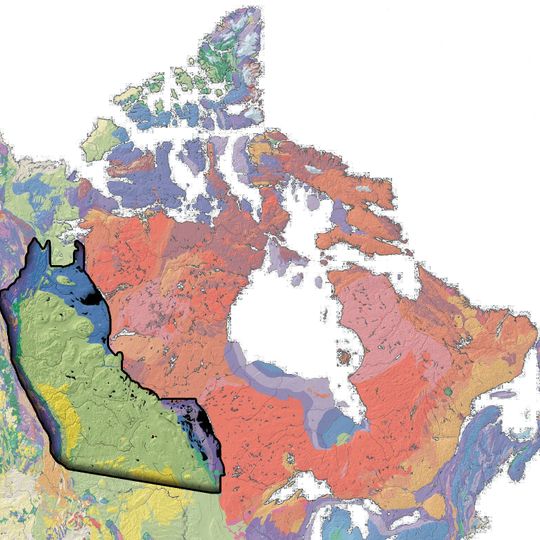
Western Canadian Sedimentary Basin, Petroleum and gas basin in Alberta, Canada.
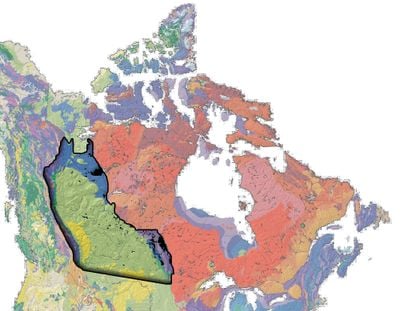
The Western Canadian Sedimentary Basin is a petroleum and gas region in Alberta containing layers of sedimentary rock formations across a large area. The rock layers can reach depths of about 6 kilometers (20,000 feet) near the Rocky Mountains.
The discovery of the Leduc oilfield in 1946 triggered major petroleum exploration across Alberta and beyond. This breakthrough discovery helped establish Canada as a significant player in global energy markets.
The petroleum and gas industry shaped how communities across Alberta developed, creating jobs and technical education programs that became central to local life. Today you can see signs of this economic activity throughout the region and its towns.
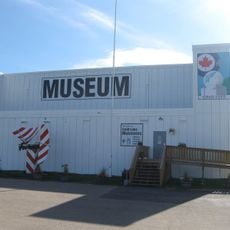
This area is vast and consists of underground rock layers that cannot be visited directly like a typical destination. Visitors interested in learning about it can visit information centers and museums throughout Alberta that explain the geology and industry.
The rock layers in this basin contain traces of ancient marine environments and continental changes spanning millions of years. These layers reveal a long geological history that researchers continue to study today.
The community of curious travelers
AroundUs brings together thousands of curated places, local tips, and hidden gems, enriched daily by 91,810 contributors worldwide.