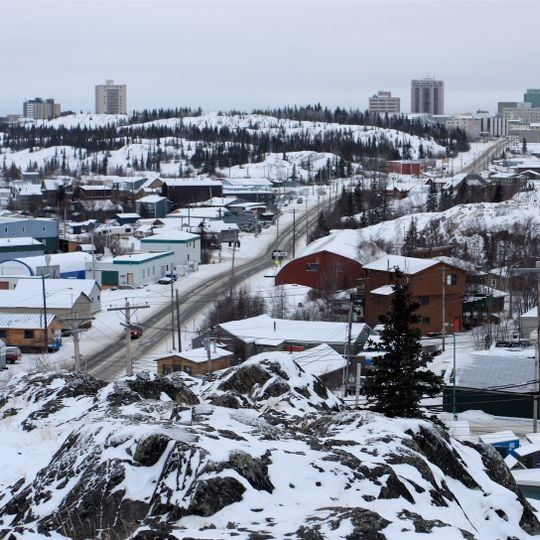
Yellowknife, Territorial capital in Northwest Territories, Canada
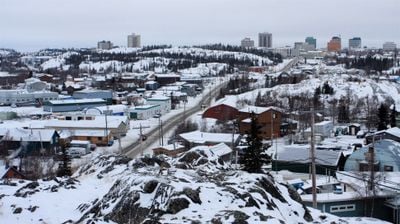
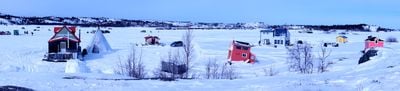
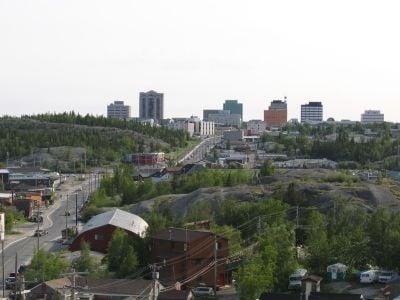
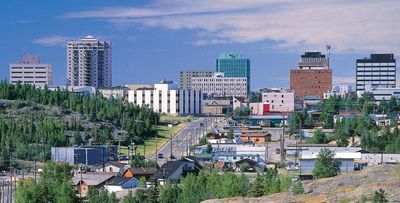
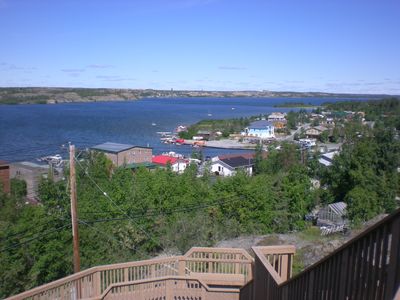
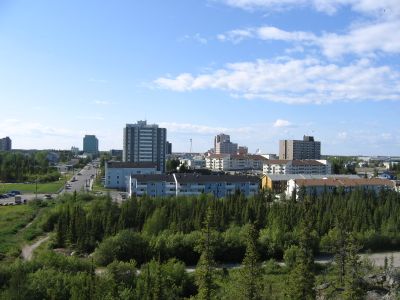
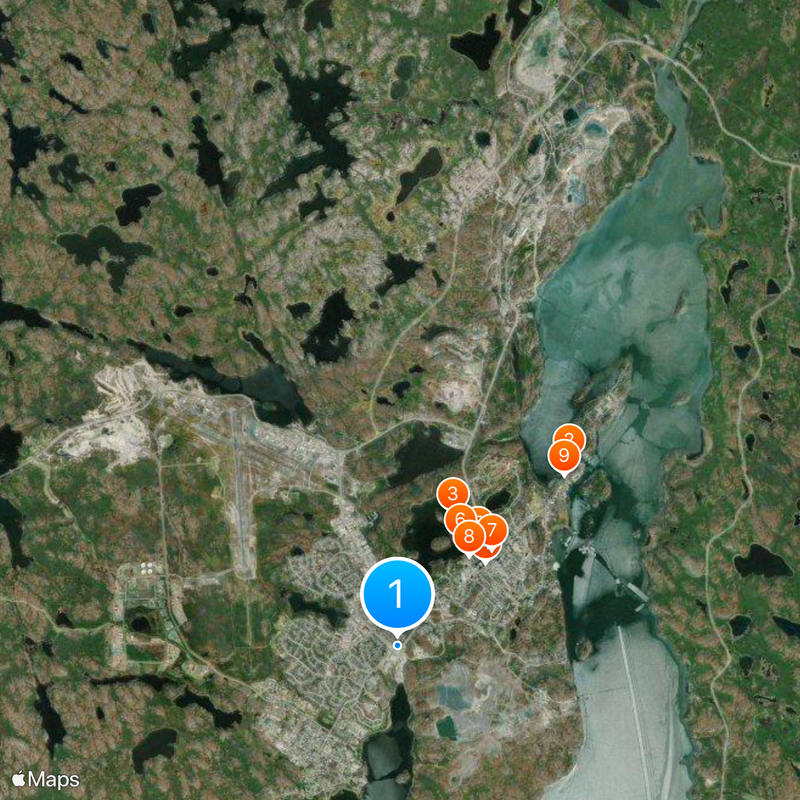
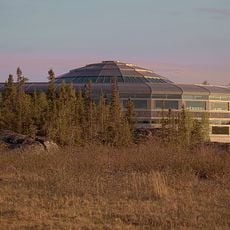
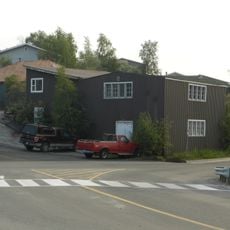
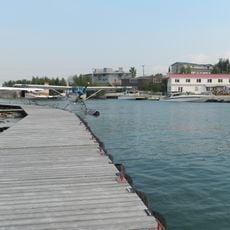
Yellowknife serves as the territorial capital of the Northwest Territories and stretches along the northern shore of Great Slave Lake, surrounded by Canadian Shield rock formations and many small lakes at about 190 meters (620 feet) elevation. The city spreads across several neighborhoods, including the older Old Town built on rocky ground and newer residential areas further inland.
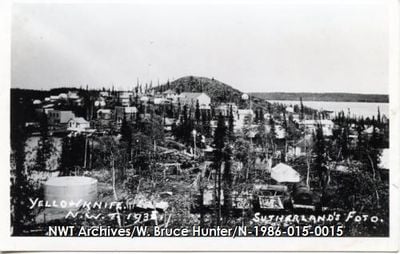
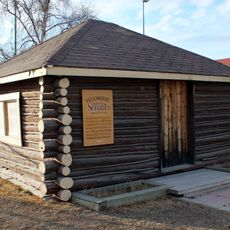
The settlement began in 1934 after gold was discovered in the area, drawing miners from many regions. Decades later, it was named the territorial capital in 1967, and in the 1990s diamond mining shifted the economic focus away from gold.
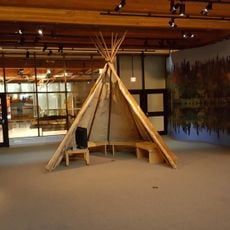
The Yellowknives Dene people live in the nearby communities of Ndilǫ and Dettah, where traditional fishing methods and handcrafts remain part of daily routines. Visitors notice this presence through galleries, community events, and conversations with residents who actively pass on their language and knowledge.
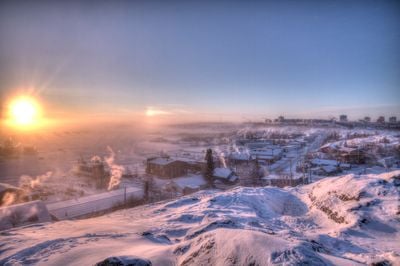
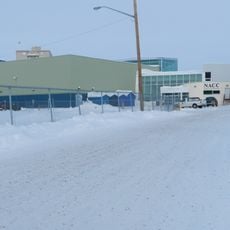
The city experiences extreme temperature swings, from around minus 26 degrees Celsius (minus 15 Fahrenheit) in January to 17 degrees Celsius (63 Fahrenheit) in July, with summer daylight lasting up to 20 hours. Visitors should prepare for cold winters and short, intense summers when hiking and boating become possible.
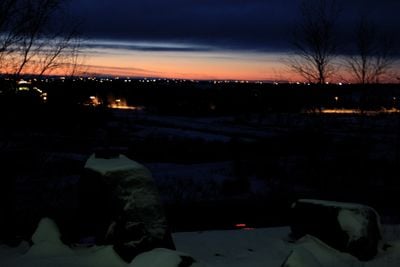
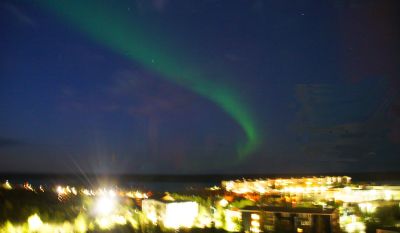
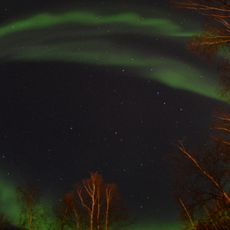
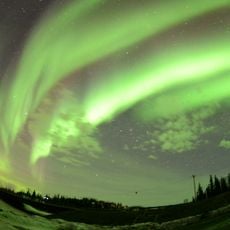
The aurora borealis appears here roughly 240 nights each year, drawing observers from around the world. In summer the phenomenon reverses: the midnight sun extends daylight hours dramatically, allowing outdoor activities late into the evening.
The community of curious travelers
AroundUs brings together thousands of curated places, local tips, and hidden gems, enriched daily by 91,385 contributors worldwide.