Spanish Wall, Spanish colonial fortification in Kolonia, Micronesia
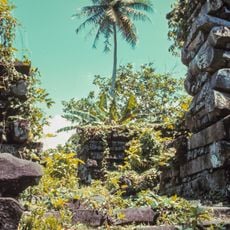
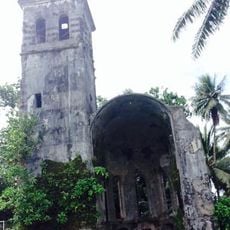
The Spanish Wall is a colonial fortification in Kolonia built from solid stone blocks with two preserved arches standing near Pohnpei harbor. The structure once formed part of a larger defensive complex and displays stonework typical of Spanish construction methods from that colonial period.
The wall was built in 1887 following local uprisings and served as part of Fort Alphonso XIII, the Spanish colonial administrative center. It fell under German control in 1899 when Spain withdrew from the island.
The wall marks where Spanish colonial rule met local resistance, reshaping how people lived on Pohnpei during that era. Walking past it today, you sense the tension between outside power and community identity that still echoes in the island's memory.
The site is located in Kolonia's Litkin Kel district and can be reached through marked pathways in a public park near the international airport. The best time to visit is during the drier season when the walking paths are easier to navigate and the structures are clearly visible.
The wall was added to the United States National Register of Historic Places in 1974, even though the region operated under Trust Territory status at that time. This official recognition reflects how American and local authorities valued the significance of this Spanish ruin.
The community of curious travelers
AroundUs brings together thousands of curated places, local tips, and hidden gems, enriched daily by 60,000 contributors worldwide.