National Museum of the Faroe Islands, National museum in Tórshavn, Faroe Islands
The National Museum of the Faroe Islands is a building in Tórshavn that displays collections about the natural history, geology, and cultural development of these islands. The exhibits cover periods from prehistoric times through the Viking era and provide an overview of human settlement and life in this part of the Atlantic.
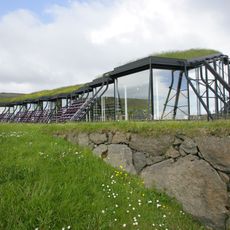
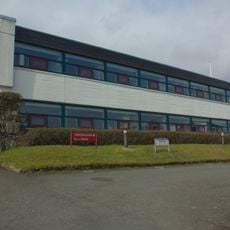
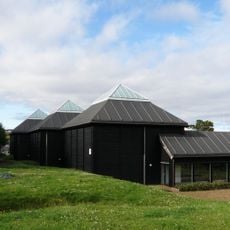
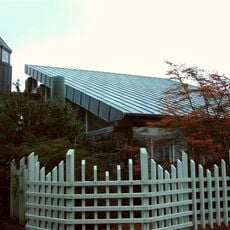
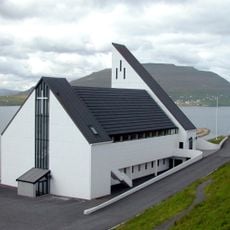
The idea of a national history museum was raised by Jóannes Patursson in 1890, and the Føroya Forngripagoymsla was founded at Ólavsøka in 1898. It became the Faroe Islands National Museum in 1952 after the Løgting took up the matter. Since 1996 it has occupied a new building in Hoyvík, and in 2002 the Kirkjubøur pew ends returned from Denmark as its main attraction.
The exhibits display everyday objects that shaped life here across centuries: farming tools, fishing equipment, and traditional clothing from different periods. These items show how local people worked and lived in their communities.
The museum is located in central Tórshavn and is easy to reach by public transport. Plan to spend a few hours exploring the different exhibition areas and viewing the collections at a comfortable pace.
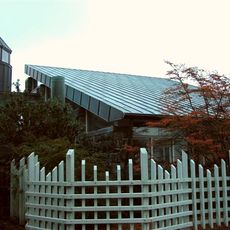
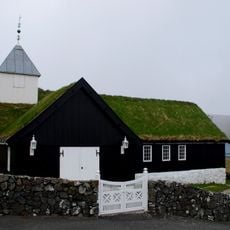
The museum also includes Heima á Garði, a farmhouse from 1812 in Hoyvík that functions as an outdoor exhibition. The house preserves furnishings and equipment from the 1920s and shows how people lived on the islands during that time.
The community of curious travelers
AroundUs brings together thousands of curated places, local tips, and hidden gems, enriched daily by 92,784 contributors worldwide.