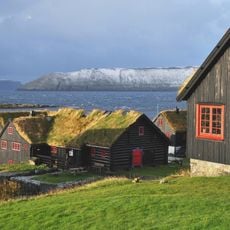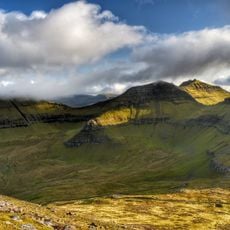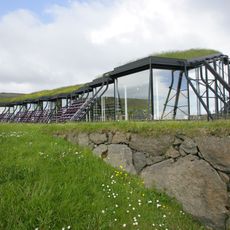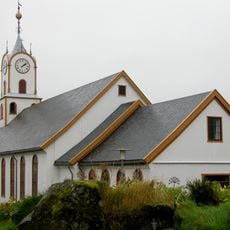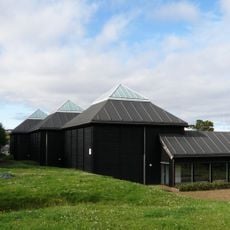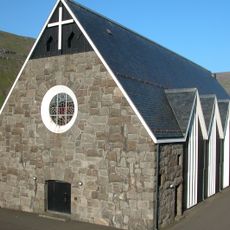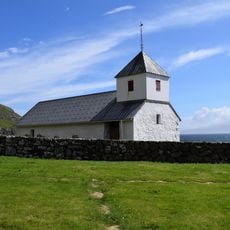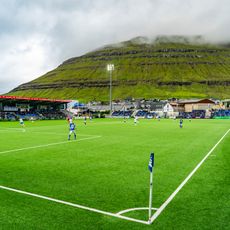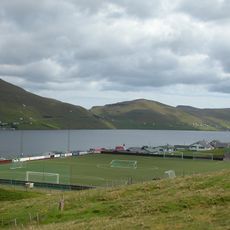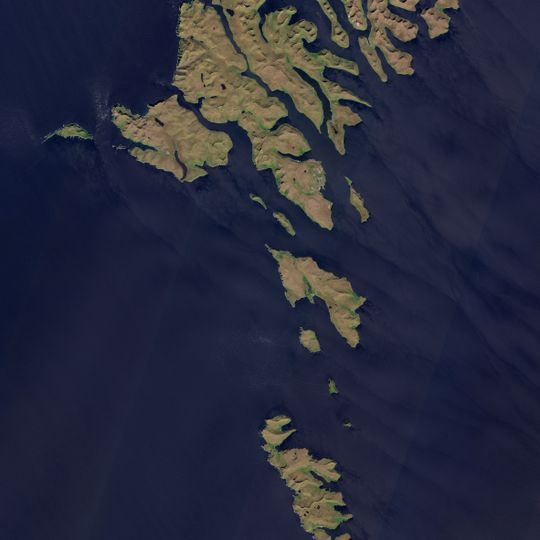
Faroe Islands, Archipelago of 18 islands in North Atlantic, Denmark.
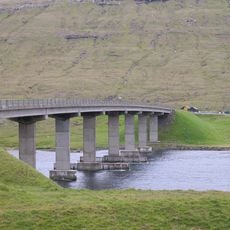
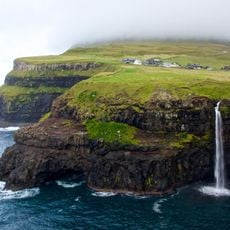
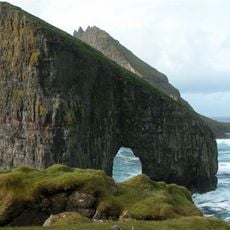
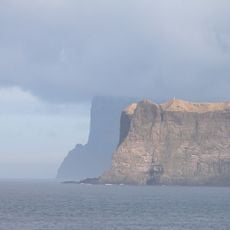
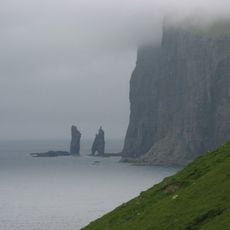
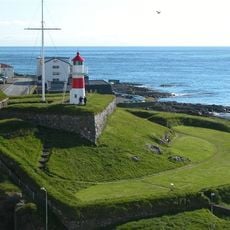
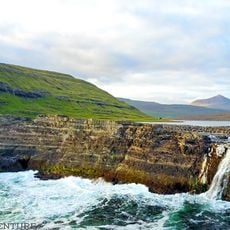
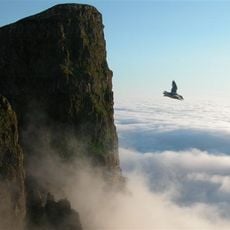
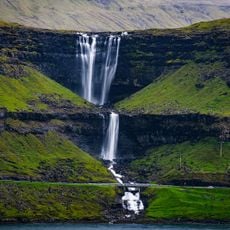
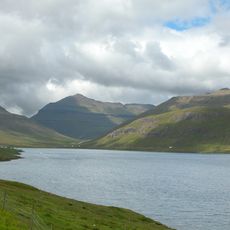
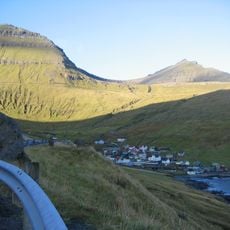
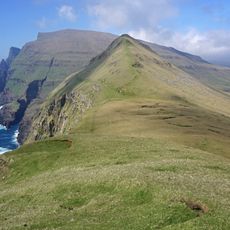
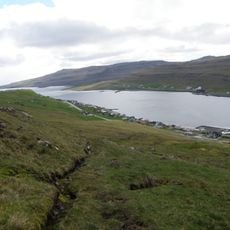
The Faroe Islands form a group of 18 islands in the North Atlantic, part of the Kingdom of Denmark and operating with self-government. Steep cliffs, narrow sea inlets and grass-covered plateaus define the terrain, where waterfalls cascade from the highlands into bays and sheep roam freely on hillsides.
Irish monks arrived around 625 before Scandinavian settlers followed in 825 and founded the Løgting, a parliament that has met since 900. The territory later came under Norwegian and then Danish rule but gained home rule in 1948.
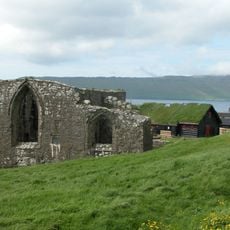
Faroese speakers maintain a Norse language closely tied to Old Icelandic, using it in schools, media and everyday conversation across the territory. Village life centers on wooden boat sheds, drying racks for wool, and shared spaces where neighbors gather after work on the water or in the fields.
Year-round ferry services from Denmark and Iceland connect to Tórshavn, while Vágar Airport operates direct flights from several European cities. Unpredictable weather requires layered clothing and waterproof jackets, as rain and wind can arrive within hours.
No trees or wild animals such as foxes or snakes exist on the territory, leaving the landscape shaped entirely by low grasses, mosses and free-roaming sheep. Summer nights remain almost bright, and some villages stay bathed in twilight well past midnight.
The community of curious travelers
AroundUs brings together thousands of curated places, local tips, and hidden gems, enriched daily by 92,841 contributors worldwide.