Mt. Rich Petroglyphs, Pre-Columbian rock art site in Mt. Rich, Grenada.
Mt. Rich Petroglyphs is a site with stone carvings scattered along the Saint Patrick River valley. The main boulder shows dozens of distinct patterns and symbols, while other carved stones lie within the surrounding area.
The earliest images may date to around AD 500, though ceramic data from the nearby Montreuil site and radiocarbon dating point to no earlier than AD 700, and most Grenada rock art is placed at AD 750–900. The first written mention is an 1833 note in the Grenada Magazine describing "hieroglyphical characters" below the Mount Rich sugar-works. German geologist Karl Sapper visited with Rev. Thomas Huckerby in February 1903, and Huckerby published a booklet on the glyphs in 1921.
Caribbean archaeologists hold that shamans carved the glyphs, perhaps marking places where ancestors gathered. The nearby workstones, with six cupules, may have been mortars for mixing hallucinogenic concoctions before carving. The 1833 Grenada Magazine note called the marks "hieroglyphical characters" below the Mount Rich sugar-works.
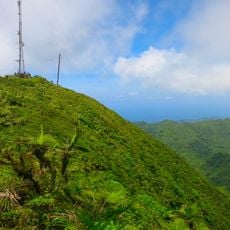
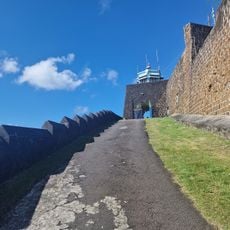
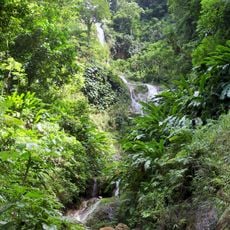
The glyphs lie in a ravine along the Saint Patrick River, reached on foot; the ground is uneven and the rocks may be slippery, so wear sturdy shoes. A lookout building renovated by the local youth group MYCEDO opened to visitors in 2018, with information and a viewing platform, and the group also runs tours of the village and nearby abandoned plantation estates. The site is part of the Ministry of Tourism's Petroglyph Path tour linking several of Grenada's rock art sites.
Two workstones near the main boulder hold six cupules, which archaeologists suggest may have been mortars for mixing hallucinogenic concoctions used by shamans before carving or re-carving the glyphs.
The community of curious travelers
AroundUs brings together thousands of curated places, local tips, and hidden gems, enriched daily by 93,384 contributors worldwide.