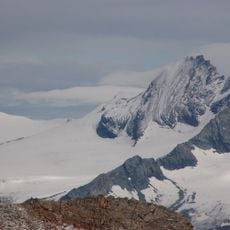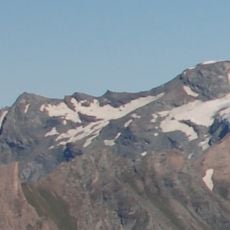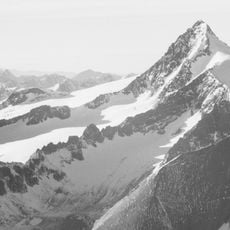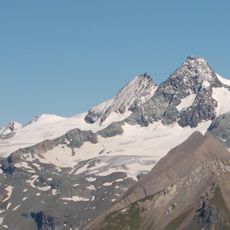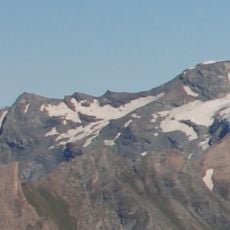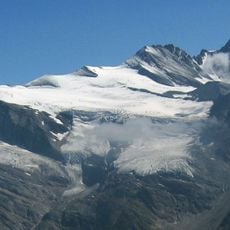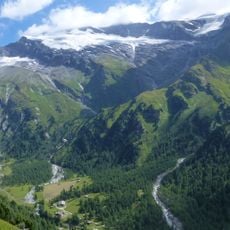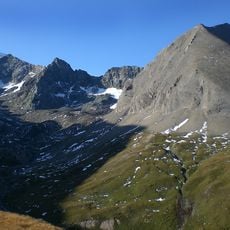
Grossglockner, Mountain peak in Hohe Tauern range, Austria
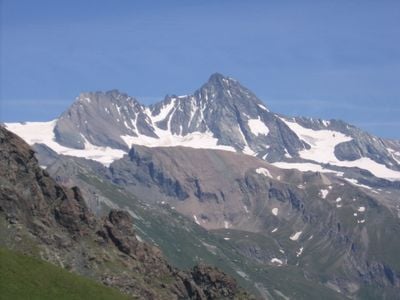
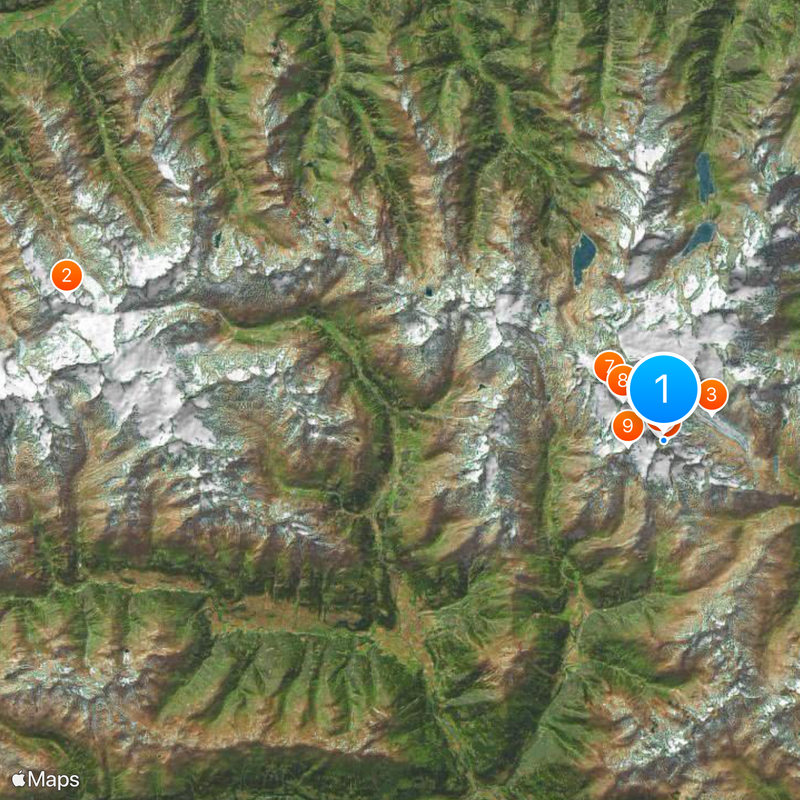
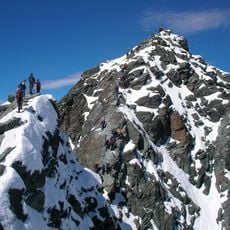
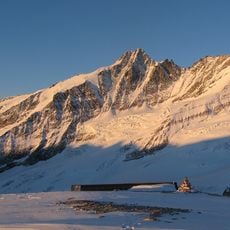
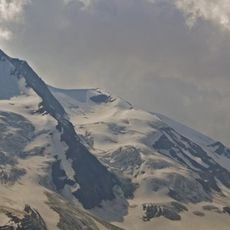
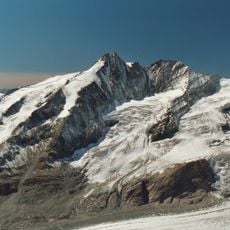
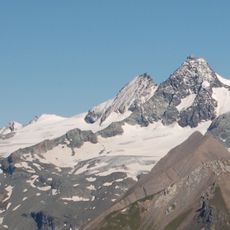
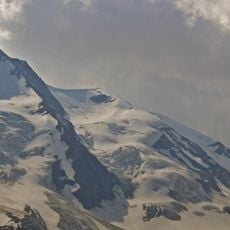
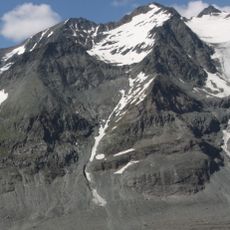
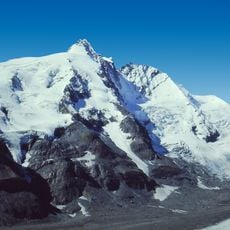
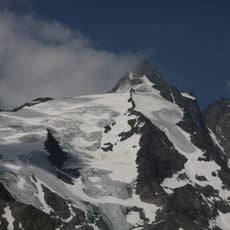
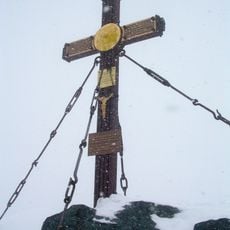
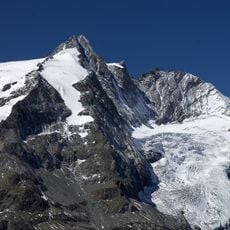
Grossglockner is a pyramid-shaped rock summit in the Glockner Group of the Hohe Tauern, on the border of Carinthia and East Tyrol, reaching 3,798 metres, the highest point in Austria. It forms a double peak with the Kleinglockner (3,770 m) to the southeast, separated by the Obere Glocknerscharte, Austria's highest col at 3,756 m. Its summit is built of hard, greenish Prasinit, a metamorphosed former ocean-floor basalt.
On 28 July 1800, a group of four climbers from the surrounding valleys reached the summit, guided by Count Franz Xaver of Salm. This ascent opened the way for many more attempts, with most subsequently approaching from the western side.
The name Glockner is first recorded as Glocknerer on a 1561 map by the Viennese cartographer Wolfgang Lazius; the scholar Belsazar Hacquet linked it to the German Glocke ("bell"), while it may also derive from the Alpine Slavic Klek ("mountain"), preserved in the Slovene name Veliki Klek. The prefix Gross- appears only after the 1799 expedition.
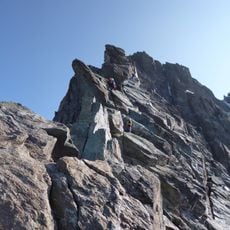
The standard routes start from Kals am Großglockner (1,324 m) in East Tyrol, about 8 km from the summit, or from Heiligenblut (1,291 m) in Carinthia, roughly 12 km away. The upper section crosses the Glocknerleitl, a glacier reaching to just below the summit, and the Obere Glocknerscharte, Austria's highest col at 3,756 m. Parties rope up on the glacier and allow for the long approach.
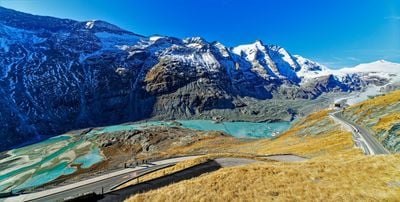
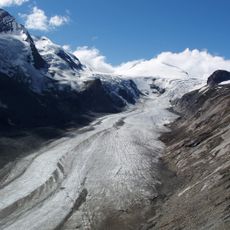
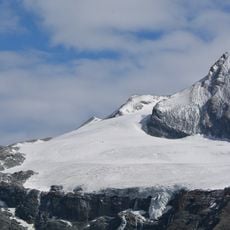
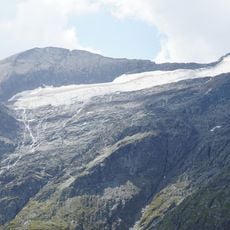
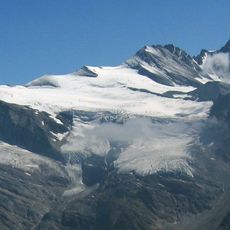
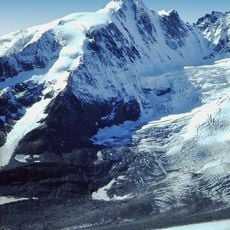
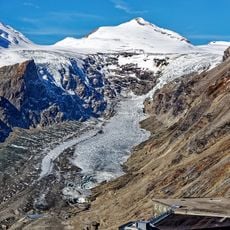
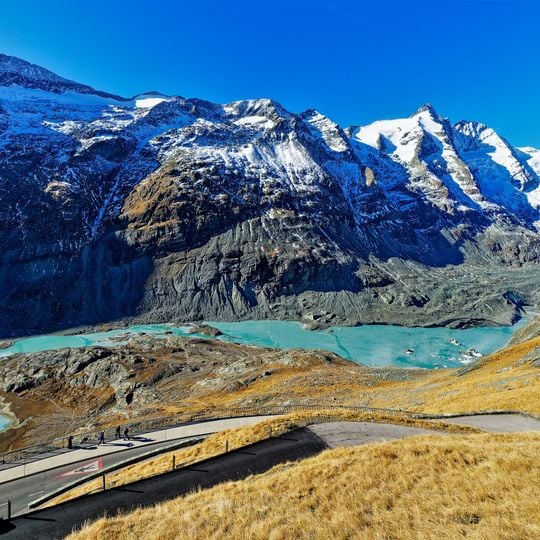
The Pasterze glacier lies on the eastern slope and extends for about 8 kilometers in length, with sections reaching nearly 5 kilometers in width. This ice field can be seen from several viewpoints without needing to climb the mountain itself.
The community of curious travelers
AroundUs brings together thousands of curated places, local tips, and hidden gems, enriched daily by 92,324 contributors worldwide.