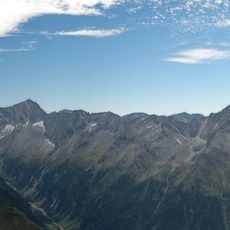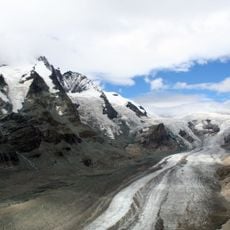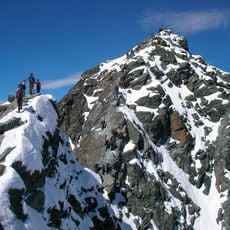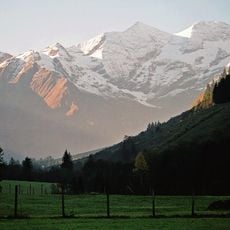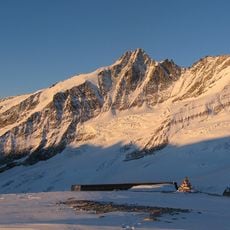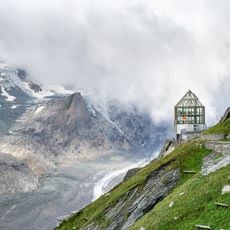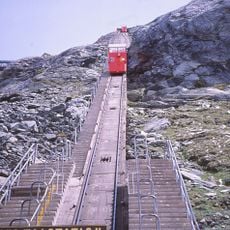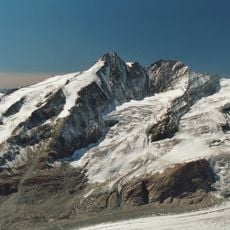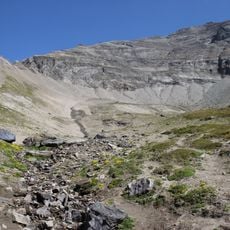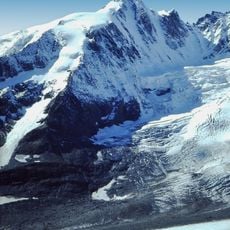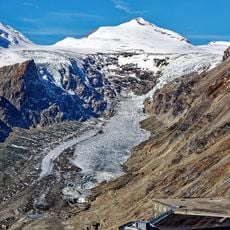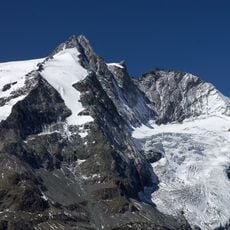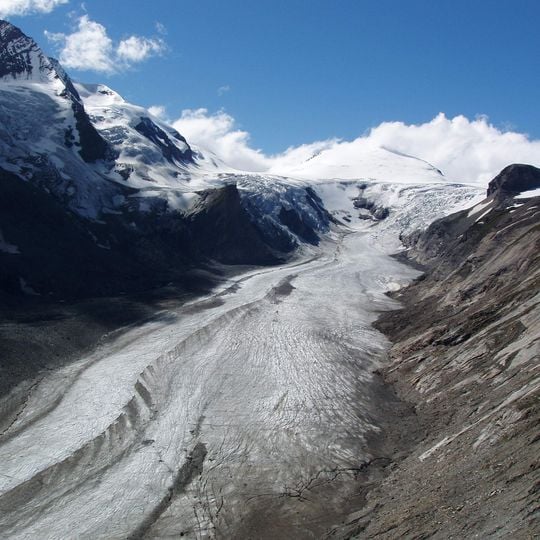
Pasterze Glacier, Alpine glacier near Heiligenblut, Austria.
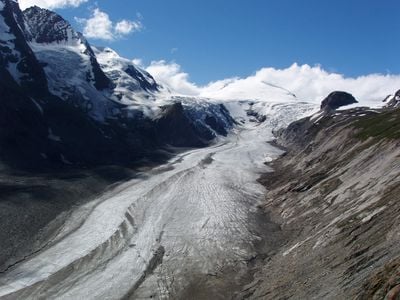
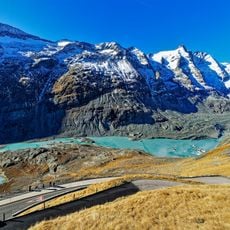
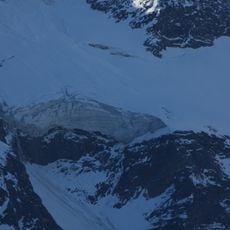
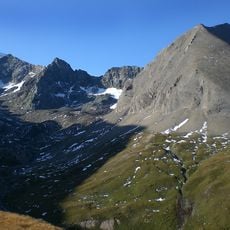
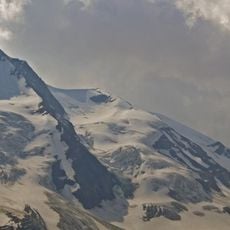
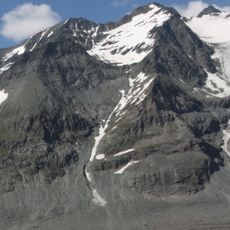
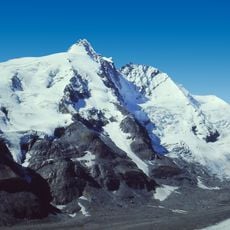
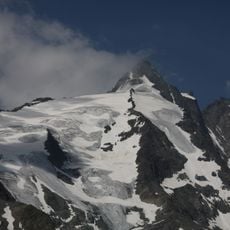
The Pasterze Glacier lies on the eastern slope of the Glockner Group in the High Tauern range, stretching downward from the Johannisberg summit. The ice flows through a narrow valley framed by rocky ridges, forming a long frozen river that ends in a meltwater basin.
Grazing fields covered this area until around 1500 BC, when advancing ice replaced the open land. The Alpine Club secured the territory in the early 20th century, setting the stage for protection within a national park decades later.
Locals still use the old name that recalls grazing land from thousands of years ago. Hikers today follow marked trails that lead close to the ice, where signs explain how the frozen surface has changed over time.
A mountain road reaches the area and stays open from late spring through autumn. Visitors can view the ice from overlooks or walk closer on marked paths that require good shoes and attention to changing weather.
Meltwater from the ice feeds a reservoir that powers a generating station on the far side of the mountain range. The link between frozen heights and lowland electricity shows how mountain water can travel across watersheds.
Location: Heiligenblut
Elevation above the sea: 2,682 m
GPS coordinates: 47.08556,12.72333
Latest update: December 5, 2025 22:25
Glaciers represent some of the most remarkable natural formations on Earth. These ice masses form over centuries through the compression of snow and move slowly through valleys and across mountain slopes. They shape landscapes from the Patagonian Andes to Arctic regions and store approximately 70 percent of the world's freshwater. The Perito Moreno Glacier in Argentina covers 250 square kilometers and ranks among the few glaciers currently not retreating. The Jostedalsbreen in Norway forms the largest ice mass on mainland Europe at 487 square kilometers. The Vatnajökull in Iceland covers eight percent of the country's land area and conceals several active volcanoes beneath its ice cap. These glaciers serve science as climate archives and demonstrate through their changes the effects of rising temperatures. Many glaciers worldwide continuously lose mass, which has consequences for water supply and sea levels.
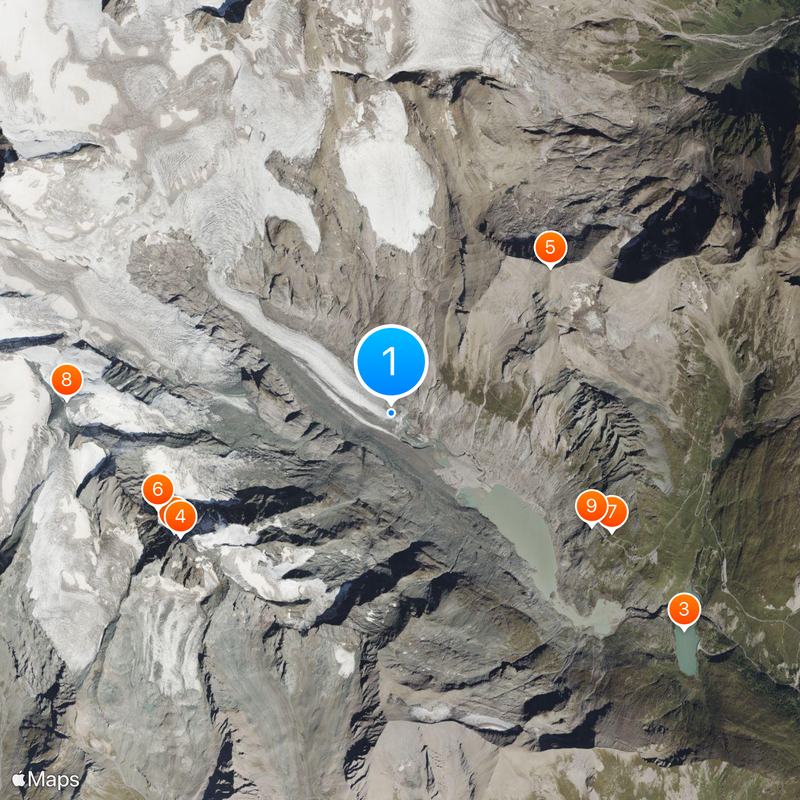
Grossglockner
2.5 km
Stausee Margaritze
3.7 km
Kleinglockner
2.5 km
Fuscherkarkopf
2.2 km
Teufelshorn
2.6 km
Wilhelm-Swarovski-Beobachtungswarte
2.6 km
Teufelskamp
3.3 km
Großglockner Gletscherbahn
2.4 km
Blaue Köpfe
3.5 km
Der Rinner
2.8 km
Fuscher Eiskar
3.6 km
Fuscher-Kar-Kees
2.9 km
Breitkopf
3.2 km
Teischnitzkees
3.5 km
Sinwelleck
2.9 km
Teufelskampkees
2.6 km
Glocknerkees
2.2 km
Sonderschutzgebiet Gamsgrube
1.2 km
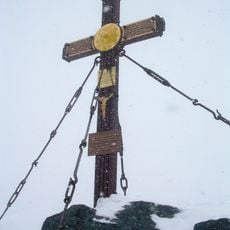
Summit cross of Großglockner
2.5 km
Pasterzenboden
3.7 km
Hufeisenbruch
2.9 km
Nassfeld
3.5 km
Glocknerkamp
1.3 km
Schwerteckkees
3.1 km
Hohenwartkees
2.5 km
Kleinglocknerkees
2.1 km
Hofmannskees
1.9 km
Glocknerkarkamp
1.4 kmVisited this place? Tap the stars to rate it and share your experience / photos with the community! Try now! You can cancel it anytime.
Discover hidden gems everywhere you go!
From secret cafés to breathtaking viewpoints, skip the crowded tourist spots and find places that match your style. Our app makes it easy with voice search, smart filtering, route optimization, and insider tips from travelers worldwide. Download now for the complete mobile experience.
A unique approach to discovering new places❞
— Le Figaro
All the places worth exploring❞
— France Info
A tailor-made excursion in just a few clicks❞
— 20 Minutes