Stausee Margaritze, lake in Austria
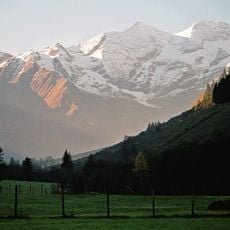
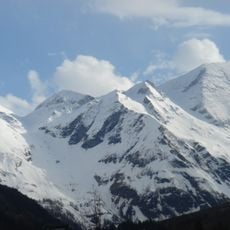
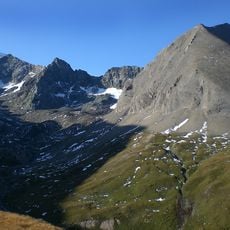
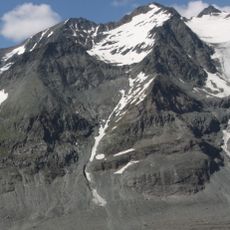
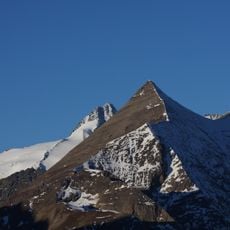
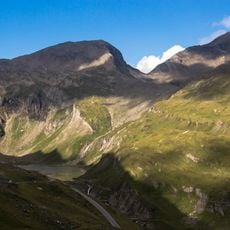
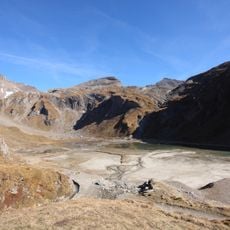
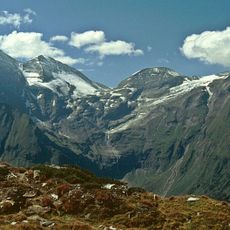
Stausee Margaritze is a reservoir in the Austrian Alps, close to the village of Heiligenblut. It sits at over 6,200 feet (about 1,900 meters) and is encircled by mountain peaks, with the water held back by a concrete dam.
Completed in 1953, the reservoir belongs to the upper stage of the Kaprun power plant. It is formed by the Möllsperre, with a structural height of 56 m, and the gently curved Margaritzensperre, 39 m high. Its water is diverted through the 11.6 km Möllüberleitungsstollen beneath the Tauern main ridge to the Möllpumpwerk.
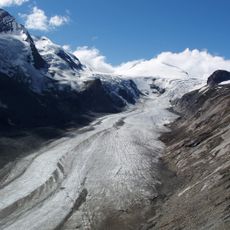
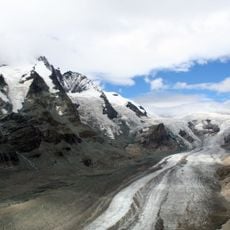
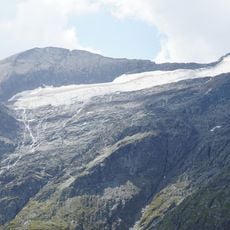
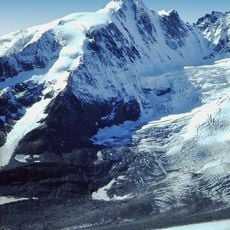
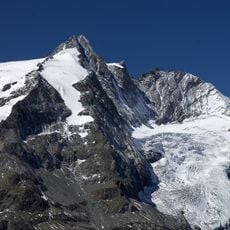
The name Margaritze comes from the basin carved by the Pasterze glacier, which only became ice-free after the glacier retreated in the early 20th century. The reservoir now collects the meltwater of the Pasterze and the Leiterbach stream, which naturally drains via the Möll into the Drau. Visitors can see the two dams, the Möllsperre and the gently curved Margaritzensperre, holding back the water at 2,036 m above sea level.
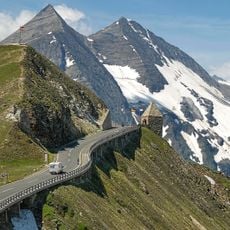
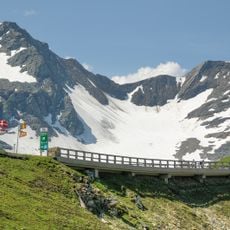
The reservoir lies just below the Glocknerhaus on the Grossglockner High Alpine Road, on the branch road to the Kaiser-Franz-Josefs-Höhe. The water surface sits between 1,980 and 2,036 m; the road is open only in the snow-free season.
The water is not used at the dam itself: it flows through the 11.6 km Möllüberleitungsstollen tunnel northwards under the Fuscherkarkopf into the Kaprun valley, where it is led or pumped into the Mooserboden reservoir. The tunnel crosses the Alpine main divide between the Drau and Salzach drainage basins, so rainfall on both sides of the weather divide can be captured.
The community of curious travelers
AroundUs brings together thousands of curated places, local tips, and hidden gems, enriched daily by 93,407 contributors worldwide.