Parndorf, municipality in Neusiedl am See District, Burgenland, Austria
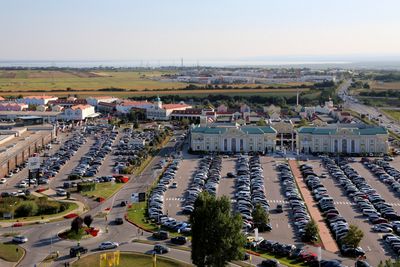
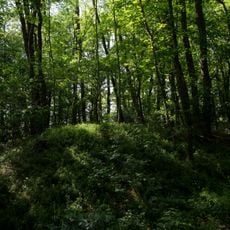
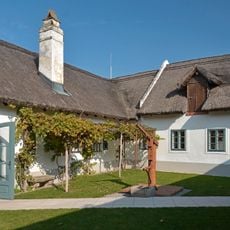
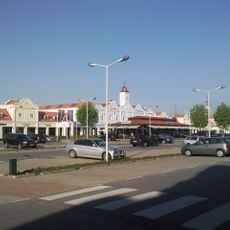
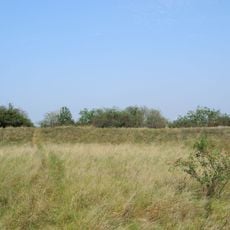
Parndorf is a rural municipality in the Neusiedl am See District in Burgenland, featuring open fields and scattered settlements typical of the flatland region. The village retains its agricultural character with vineyards and orchards, while having expanded in recent decades through commerce and tourism.
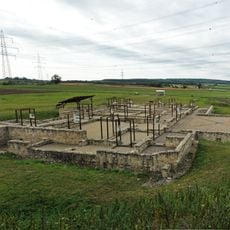
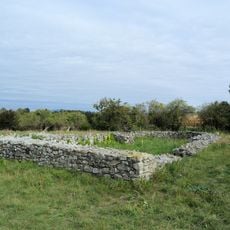
Human settlement in Parndorf reaches back to prehistoric times, as archaeological finds demonstrate, and during the Roman era the region was part of the province of Pannonia with significant villas. The Slavic influence later shaped the local name, while the medieval and early modern periods were marked by Hungarian rule and subsequent Ottoman raids, until the region became part of Austria in 1921 after World War I.
Parndorf's name derives from Slavic roots meaning 'Perun,' the thunder god, a heritage visible in local identity today. The community is bilingual, with German and Croatian speakers living alongside each other, reflected in street signs and school instruction that honor both linguistic traditions.
The village is accessible via the Vienna-Budapest railway line and connected by well-maintained roads to neighboring Austrian and Hungarian towns. Cycling and walking paths crisscross the region, while bus services link the municipality to larger cities and nearby attractions.
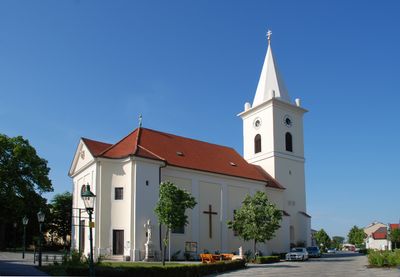
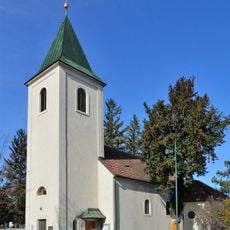
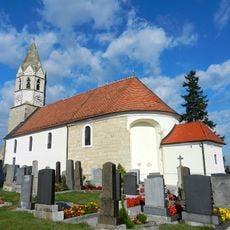
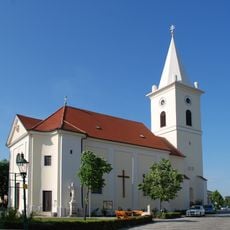
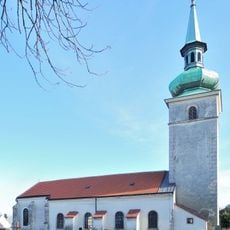
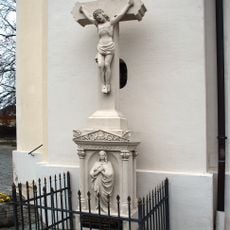
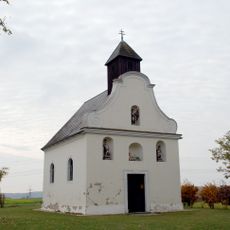
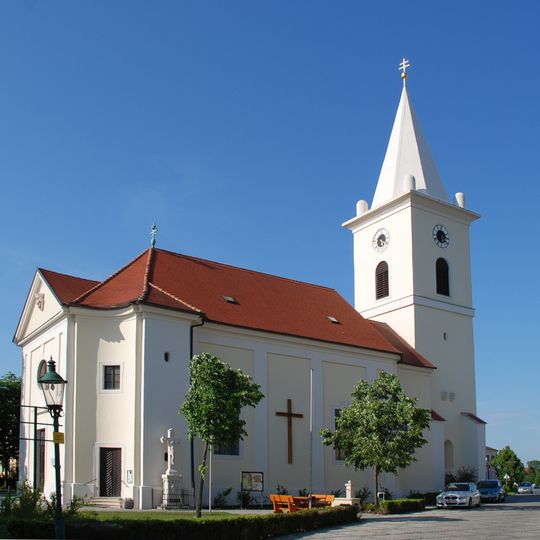
The Church of Saint Ladislaus combines Baroque style with older Romanesque features, with colorful frescoes and figures telling religious stories left by craftspeople across different periods. This reveals how local artisan traditions shaped the village's architectural history across centuries.
The community of curious travelers
AroundUs brings together thousands of curated places, local tips, and hidden gems, enriched daily by 90,775 contributors worldwide.