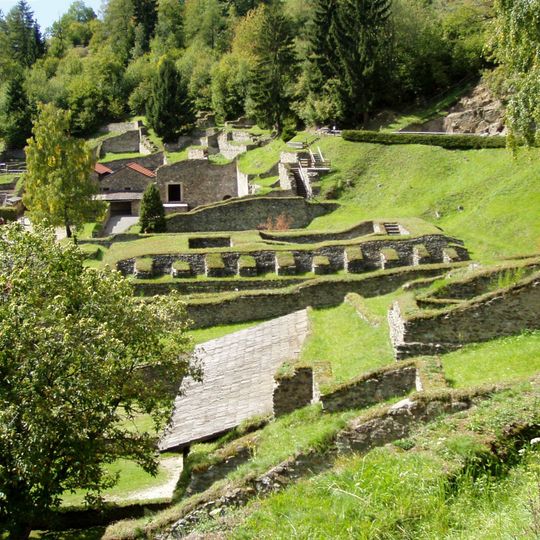
Archeological park Magdalensberg, Archaeological site and museum on Magdalensberg mountain, Austria
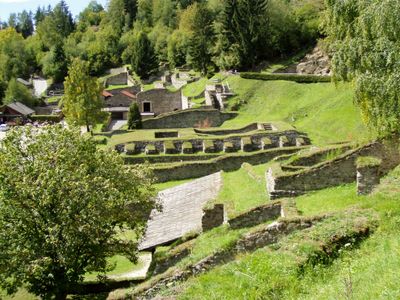
The Archaeological Park Magdalensberg is an open-air excavation site with an on-site museum set on a hillside in Carinthia, Austria. The grounds expose the remains of houses, workshops, and public structures from both Celtic and Roman periods, arranged across the slope so visitors can move between them on foot.
Roman merchants founded an emporium on the Magdalensberg around the mid 1st century BC, drawn by the iron deposits of the Görtschitztal and Lölling. After Noricum was incorporated into the Roman Empire in 16/15 BC the settlement became the political centre of the eastern Alpine region. It was abandoned after the Roman city of Virunum was built on the Zollfeld, giving a documented occupation of about 90 years.
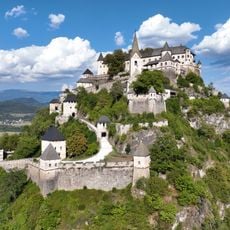
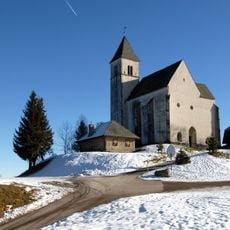
The site's name comes from the mountain, not from a chapel on the summit. Trade with Rome grew after the Noricans signed a hospitality treaty with Rome in 170 BC, and Roman merchants settled here around the mid 1st century BC. Their houses had plastered walls painted with frescoes in the second and third Pompeian styles around 20 BC, and they ate imported garum, olives and wine from bronze, glass and terra sigillata vessels.
The site sits on a hillside and is explored on foot along marked paths that connect the different excavation areas. Sturdy shoes are a good idea since the ground is uneven and can get slippery after rain.
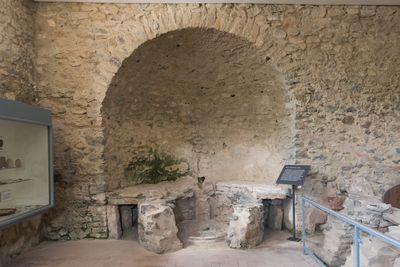
The best-known find from the site is the Youth of Magdalensberg, a bronze statue of a young man in a short tunic, unearthed in 1502 and now in the Kunsthistorisches Museum in Vienna. The figure displayed in the park is a cast copy; the German text on the site's sign for the bath area, "BADERAUM", marks the room the sources identify as a bathhouse in the western basilica.
The community of curious travelers
AroundUs brings together thousands of curated places, local tips, and hidden gems, enriched daily by 93,522 contributors worldwide.