Castra Ala Nova, Roman military fort in Schwechat, Austria.
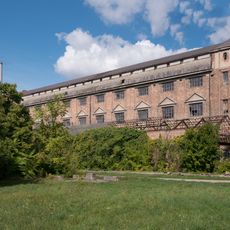
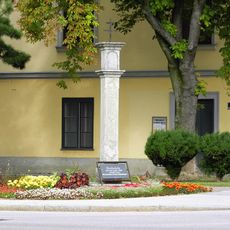
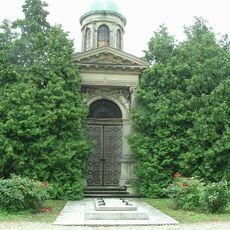
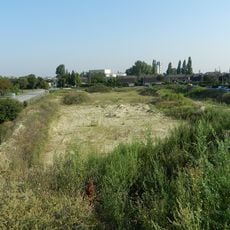
Castra Ala Nova was a rectangular stone fortification that occupied roughly 3.5 hectares at the confluence of the Schwechat River and the Danube, with multiple buildings designed to house soldiers and supplies. The archaeological remains today spread across Alanovaplatz, where a cemetery and brewery now sit atop or near the original fort grounds.
Construction began in the late 2nd century with temporary wood and earthen structures before being replaced with stone, serving as a barrier against invasions from the north. The fort remained a key defensive position along the Roman river frontier until the region collapsed in the 5th century.
The name Alanovaplatz today reflects the site's Roman origins, keeping the memory of the military installation alive in the local landscape. This connection between past and present appears in how residents and visitors relate to the area's layered history.
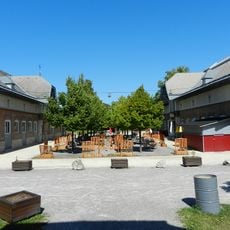
The archaeological site is now integrated into the modern neighborhood and can be observed from the street and public spaces where visible features appear alongside modern buildings. Walking through the area gives a sense of how the Roman installation sits beneath today's town, with the cemetery and brewery marking key reference points.
The name Ala Nova means 'newly established cavalry unit' in Latin, indicating the garrison was trained as a rapid-response force rather than a large standing army. This specialized role meant the fort operated differently from larger installations, with its soldiers often deployed on patrol missions to protect the wider region.
The community of curious travelers
AroundUs brings together thousands of curated places, local tips, and hidden gems, enriched daily by 91,530 contributors worldwide.