Stadtmuseum St. Pölten, Karmeliterhof, museum in Lower Austria
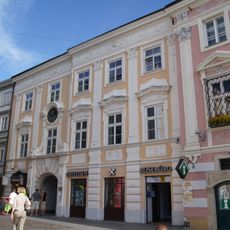
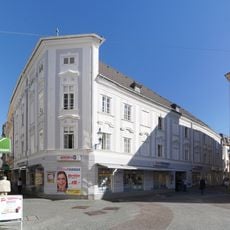
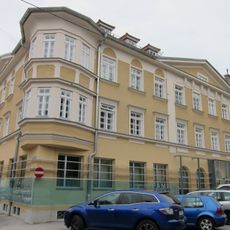
The Stadtmuseum St. Pölten in the Karmeliterhof is a history museum housed in a protected building with ten exhibition rooms displaying archaeological finds from the Stone Age through the Roman period. The space also holds significant art collections from the Jugendstil movement and documents the city's development through photographs, documents, and models.
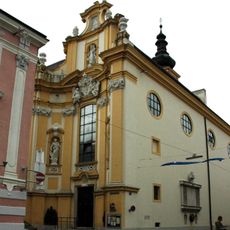
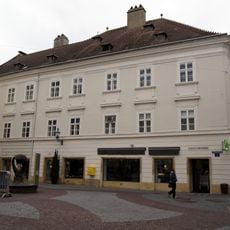
The building was erected between 1707 and 1712 by Jakob Prandtauer as a Carmelite convent. After Emperor Joseph II dissolved the convent, it served as a barracks from 1787 to 1918. The museum opened in 1909 in the town hall and moved to the adapted Karmeliterhof in 1976, where it has been expanded several times since.
The name Karmeliterhof reflects its past as a former monastery building that shaped the city district for centuries. Today visitors experience the museum as a hub for understanding local artistic movements, particularly the Jugendstil style, with works by regional artists prominently displayed throughout the rooms.
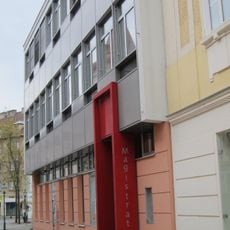
The museum occupies three floors of the Karmeliterhof, entered through a glass-and-steel doorway added in 2007. The ground floor holds the foyer, archaeology and the city-history circuit; Jugendstil and temporary exhibitions are on the first floor, the Lower Austrian documentation centre for modern art on the second.
The museum's Jugendstil collection includes works by Charlotte Andri-Hampel, Ferdinand Andri, Ernst Stöhr, Hans Ofner and Joseph Maria Olbrich. Some of these paintings have been shown in exhibitions in Vienna, Salzburg, Milan, Montreal, Paris and The Hague.
The community of curious travelers
AroundUs brings together thousands of curated places, local tips, and hidden gems, enriched daily by 94,328 contributors worldwide.