St. Pölten, Capital city in Lower Austria, Austria
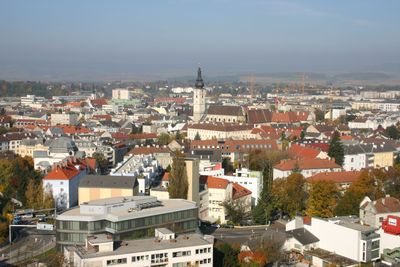
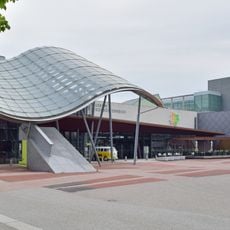
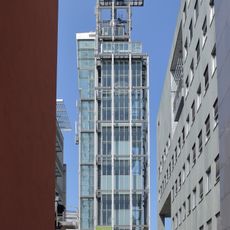
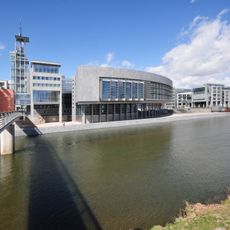
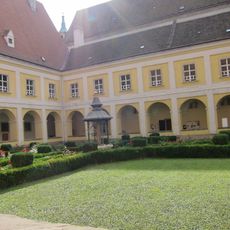
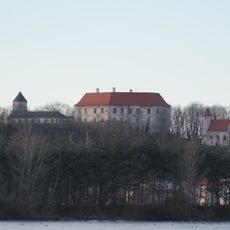
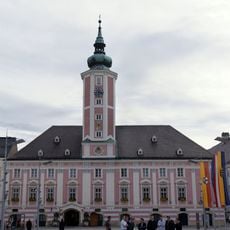
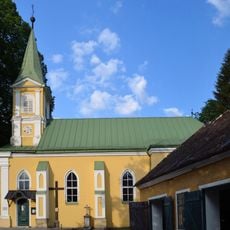
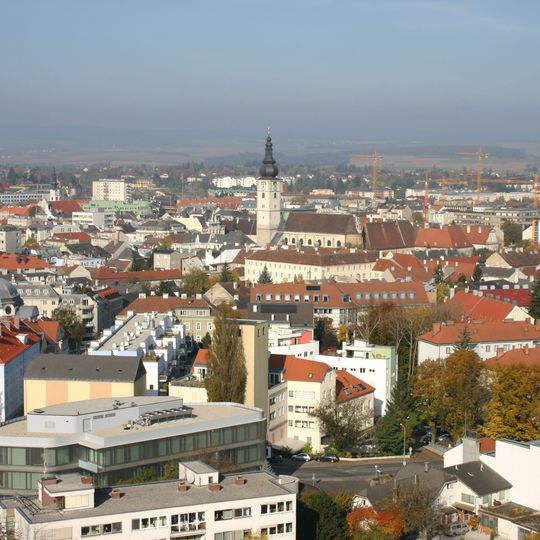
Sankt Pölten sits on flat land between Alpine foothills and the Danube valley, crossed by the Traisen River, with Baroque churches and contemporary administrative buildings. The historic core connects to a newer government quarter that has housed the provincial administration since the late twentieth century.
The settlement grew from the Roman town of Aelium Cetium, founded during the second century after Christ. It received official town rights in 1159 from the Bishop of Passau and became the capital of Lower Austria in 1986.
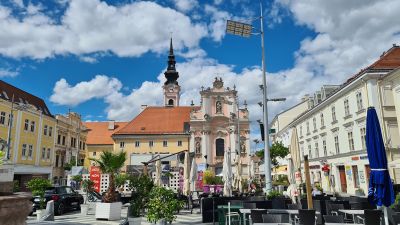
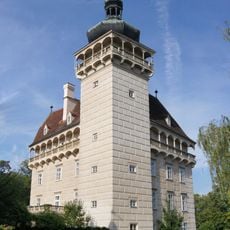
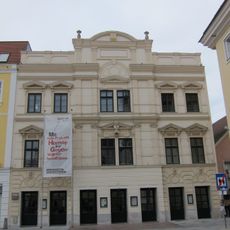
The name comes from Saint Hippolytus, whose Roman martyr cult spread here during medieval times. Locals use the Alter Markt with its Renaissance and Baroque facades as a meeting point for weekly markets and daily errands.
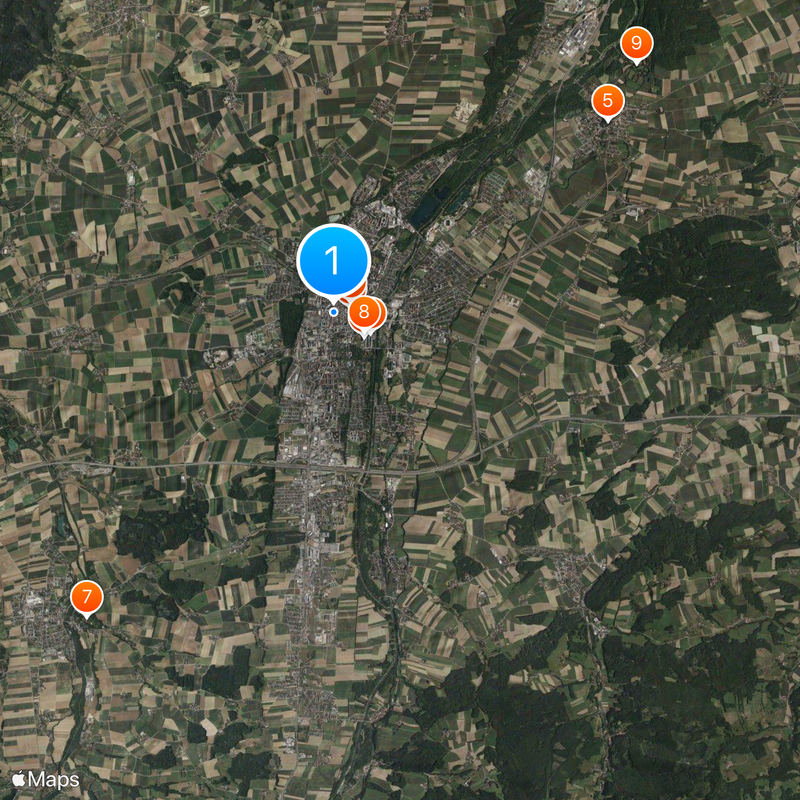
The main railway station lies south of the old town and offers direct train links to Vienna in about 30 minutes, along with regional lines to other cities. The town center is compact and easy to explore on foot, with signage pointing to key sights.
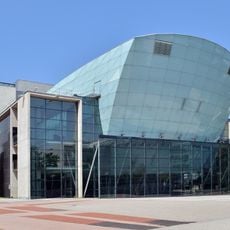
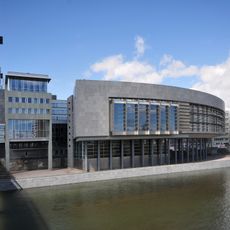
The Landtagsschiff was designed by architect Ernst Hoffmann and resembles a ship hull with its curved form, symbolically anchored on dry land. The building serves as the seat of the provincial parliament and combines modern engineering with political function in an unusual design.
The community of curious travelers
AroundUs brings together thousands of curated places, local tips, and hidden gems, enriched daily by 91,474 contributors worldwide.