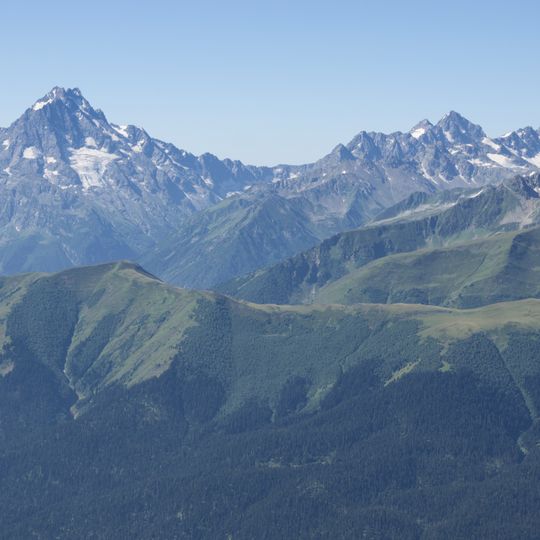
Greater Caucasus, Mountain range between Black Sea and Caspian Sea, Russia
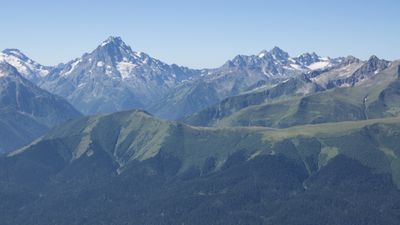
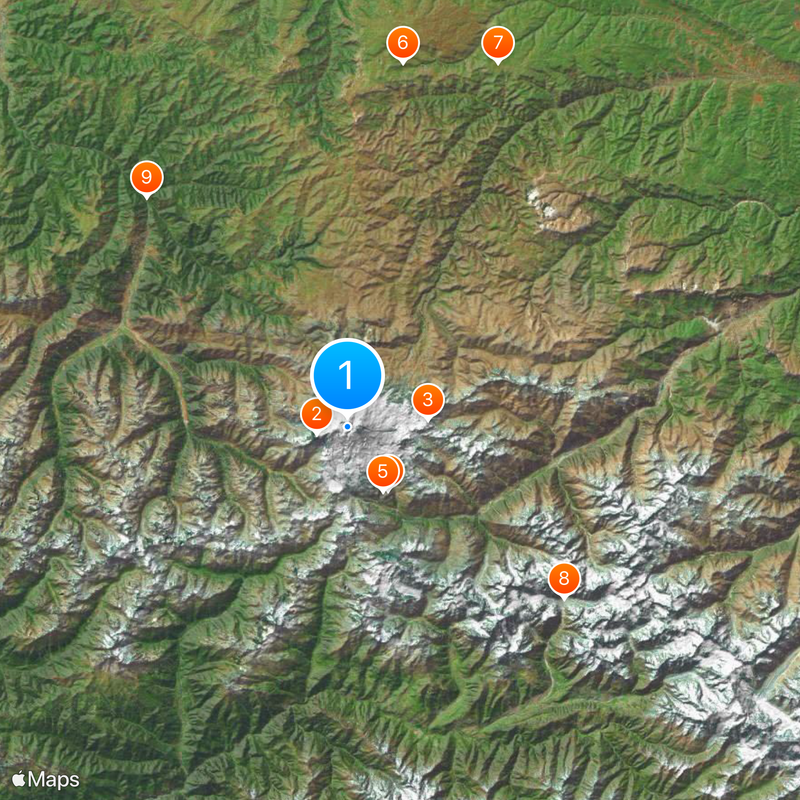
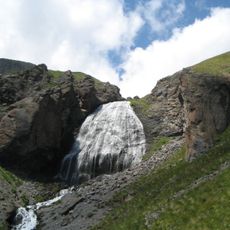
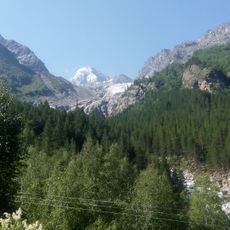
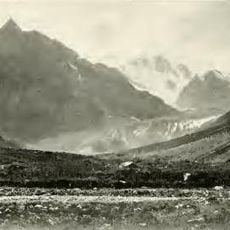
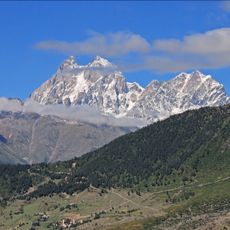
The Greater Caucasus stretches between the Black and Caspian seas, forming a major mountain barrier with numerous high peaks across its length. The landscape features steep slopes, deep valleys, and varying vegetation zones that change with elevation and location along the range.
The range formed through tectonic movements over millions of years, eventually creating a natural boundary between European and Asian landmasses. This geographic divide influenced how populations settled and developed across the region throughout history.
Multiple ethnic groups inhabit the slopes and valleys, each with their own languages, customs, and ways of life that shape local communities. Visitors can experience this diversity through traditional music, crafts, and how people interact with the mountains in their daily routines.
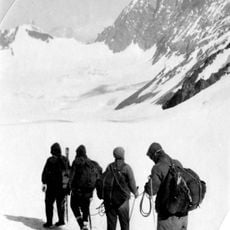
Access to the region works best through established mountain passes and valleys, with accommodations available at various elevations for different types of activities. Visitors should prepare for changing weather conditions, especially at higher elevations where conditions can shift rapidly.
The northern slopes are covered with oak forests while the southern areas feature beech woodlands, reflecting different ecological conditions created by climate and elevation. This natural division often goes unnoticed by visitors despite being a clear expression of how geography shapes the environment.
The community of curious travelers
AroundUs brings together thousands of curated places, local tips, and hidden gems, enriched daily by 92,478 contributors worldwide.